
Liquefied Petroleum Gas (LPG)
LPG is a portable mixture of light hydrocarbon gases, mainly propane and butane, stored as a liquid under pressure and used for cooking, heating, industry and as vehicle fuel; handled with care due to flammability.
Liquefied petroleum gas (LPG) is a flammable mixture of light hydrocarbon gases that is liquefied through moderate pressure for storage and transport. It offers a compact energy source for households, commercial uses and some vehicles and is chemically distinct from natural gas and liquid fuels such as gasoline. LPG’s composition, vapour pressure and performance depend on the specific blend and the ambient temperature.
Image gallery
10 Images



Composition and physical properties
LPG is principally a mix of short-chain hydrocarbons; standard descriptions of the product and its components are available in industry summaries and technical references (mixture, composition). The principal components are gases at atmospheric pressure but liquefy under pressure. As a stored liquid, LPG expands to a vapour when released to atmospheric pressure; the vapour pressure varies with temperature and the propane–butane ratio, so behaviour is best understood by consulting gas tables and supplier data (vapour behaviour).
Common constituents
Commercial LPG commonly consists mainly of propane and butane, sometimes with small amounts of isobutane and other light hydrocarbons. Propane provides higher vapour pressure useful in cold climates, while butane increases energy density at moderate temperatures. Suppliers offer seasonally adjusted blends to balance vaporisation performance and energy content.
Production and supply
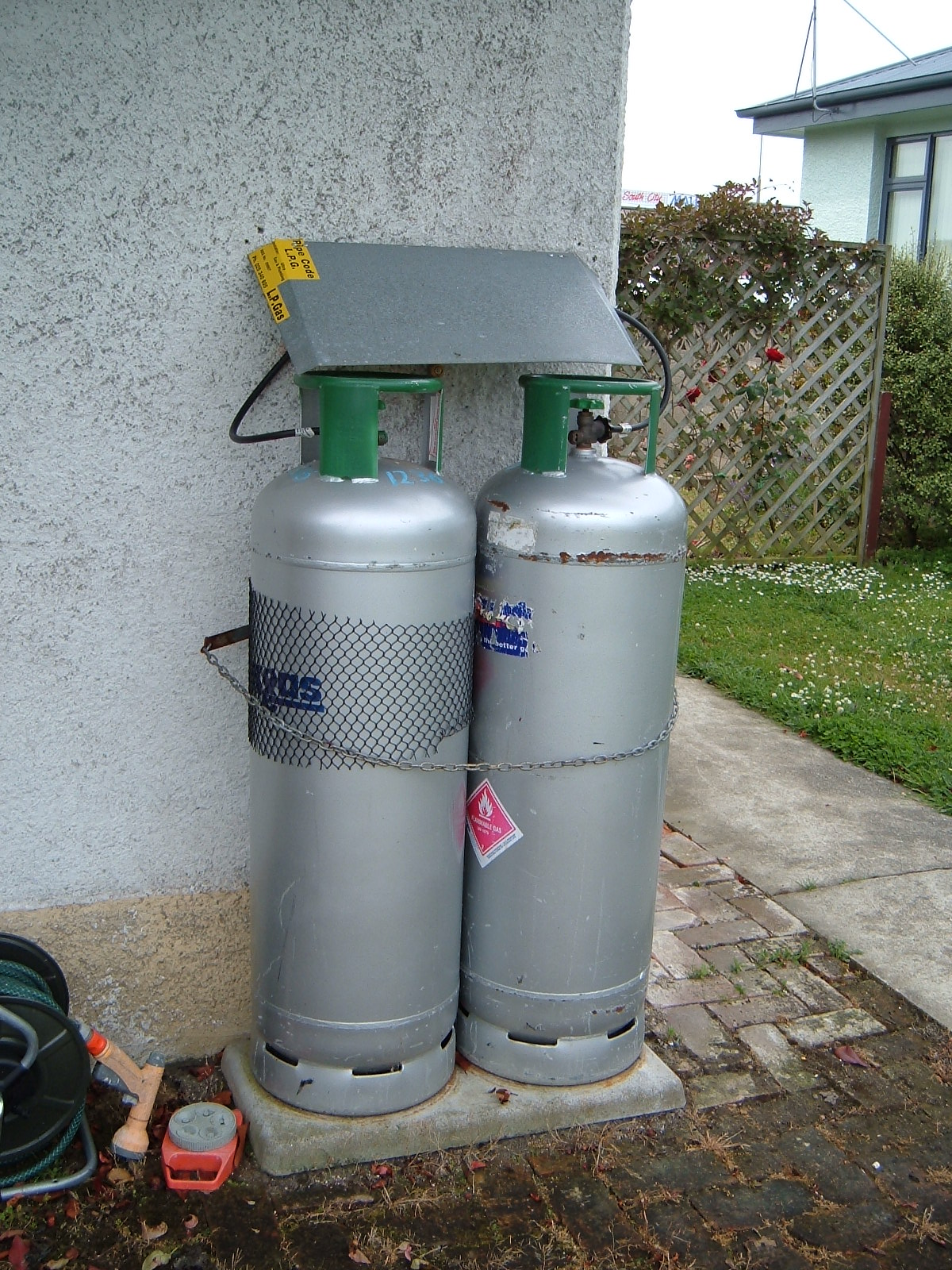
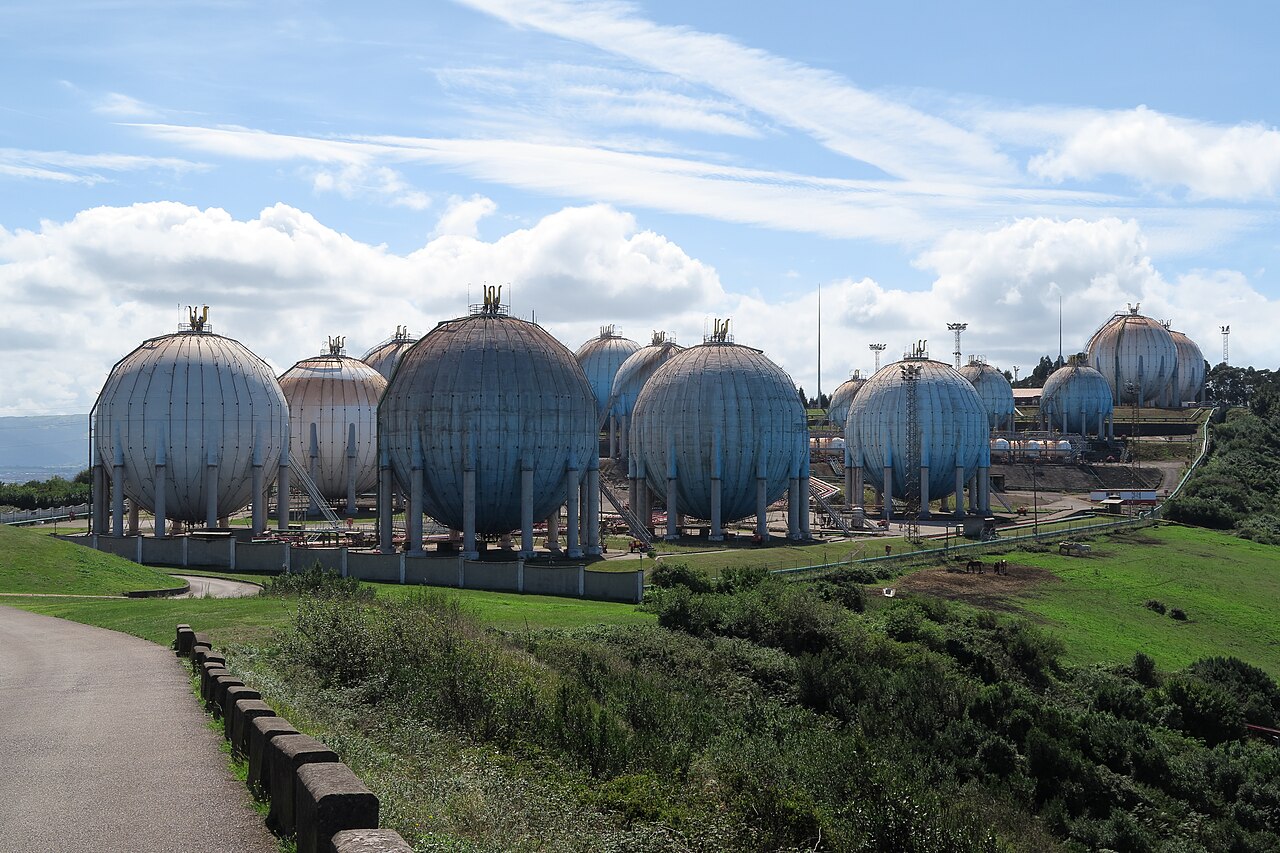
LPG is produced as a byproduct of crude oil refining and natural gas processing. It is supplied in cylinders for domestic use, by bulk tanks for larger installations, or piped in liquefied or gaseous form where infrastructure exists. Regulatory and safety documentation from suppliers and authorities describes packaging, labelling and permitted uses.
Uses
- Domestic: cooking, water and room heating, and portable heaters.
- Commercial and industrial: ovens, metal cutting, drying and heating processes.
- Transport: autogas systems that use LPG as an alternative vehicle fuel (autogas).
- Feedstock: petrochemical applications that use LPG components as chemical feedstocks.
Safety, storage and handling
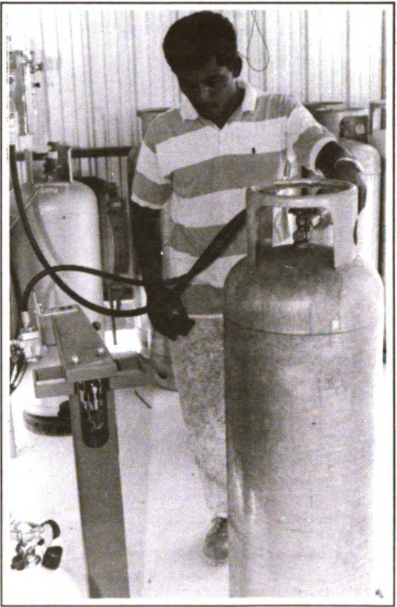
LPG cylinders and tanks are engineered to withstand pressure and include safety valves. Safe handling guidance stresses leak detection, ventilation, correct cylinder exchange procedures and routine inspection. Overfilling, exposure to high temperatures, and insecure connections increase risk. Industry safety guides and standards provide recommended practices and emergency response measures.
Environmental and regulatory notes
LPG has been used in applications that replaced some chlorofluorocarbons (CFCs) because it is not ozone-depleting (ozone considerations). Nevertheless, LPG is a fossil-derived fuel and combustion releases carbon dioxide and other combustion products. Regulations and incentives affecting LPG use vary by country and cover transport emissions, fuel quality and appliance certification.
For further technical details, consult manufacturer literature and national standards documents; many suppliers and authorities publish guidance and composition limits (product, specification, properties).
Related articles
Author
AlegsaOnline.com Liquefied Petroleum Gas (LPG) Leandro Alegsa
URL: https://en.alegsaonline.com/art/58372