
Lithium nitride (Li3N): properties, structure, preparation and uses
Lithium nitride (Li3N) is the only stable alkali-metal nitride. A red crystalline ionic solid containing Li+ and N3−, it is studied for lithium-ion conduction, hydrogen storage and as a nitriding reagent.
Overview
Lithium nitride is an inorganic compound with formula Li3N. It is a red to reddish-brown crystalline solid formed from lithium cations and the nitride anion (N3−). Li3N is notable as the only alkali-metal nitride that is stable under normal conditions and it behaves as an ionic material with distinct chemical reactivity.
Image gallery
2 Images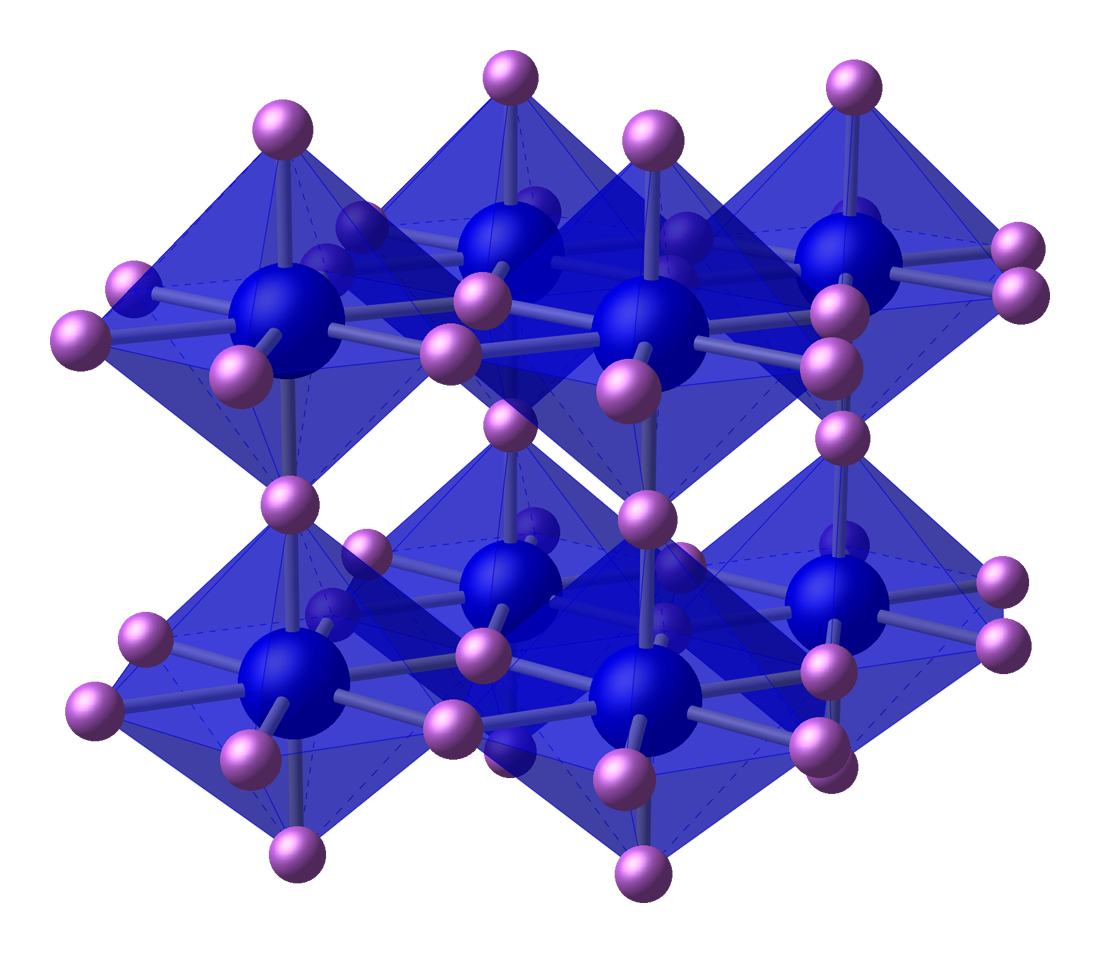

Structure and physical properties
The classical crystal form of lithium nitride is hexagonal and shows layered arrangements of lithium and nitrogen atoms; several lithium sites with different coordination are present in the lattice. It is an electronic insulator but can exhibit appreciable lithium-ion mobility, which has made it of interest for solid-state electrochemistry. The compound is thermally robust compared with many other nitrides, although it is sensitive to moisture.
Chemical behaviour
Li3N reacts readily with protic substances. For example, hydrolysis gives lithium hydroxide and ammonia and must be handled to avoid release of gaseous ammonia. It also reacts with hydrogen and with other reagents to yield imides, amides or hydrides; these transformations are the basis for research into hydrogen storage and functional nitride-derived materials.
Preparation and history
Commercial and laboratory preparations typically involve direct combination of the elements — lithium metal and nitrogen gas — at elevated temperatures or by high-temperature treatment of lithium under a nitrogen atmosphere. Smaller-scale methods and preparative variants have been developed for research, but the direct synthesis route remains the common approach.
Uses and applications
Lithium nitride serves as a precursor to other nitrogen-containing lithium compounds and is used as a nitriding reagent in inorganic synthesis. It has been studied as a component for solid-state lithium conductors, for chemical hydrogen storage systems, and as a reagent in materials chemistry. Its ionic conductivity and simple composition make it a model material in laboratory studies.
Safety, handling and distinctions
Li3N is moisture sensitive and releases corrosive and irritating ammonia upon contact with water, so it is stored and handled under inert atmosphere. It contrasts with many transition-metal nitrides, which are typically metallic and hard; lithium nitride is ionic and chemically reactive. For safety data and technical specifications consult material safety information and product data sheets: supplier data, technical summary, safety guidelines, or research overview.
Related articles
Author
AlegsaOnline.com Lithium nitride (Li3N): properties, structure, preparation and uses Leandro Alegsa
URL: https://en.alegsaonline.com/art/58441