
Lithium chloride
Lithium chloride (LiCl) is a highly soluble, hygroscopic inorganic salt used in industry and laboratories for drying, synthesis, molten-salt processes and certain biochemical techniques.
Overview
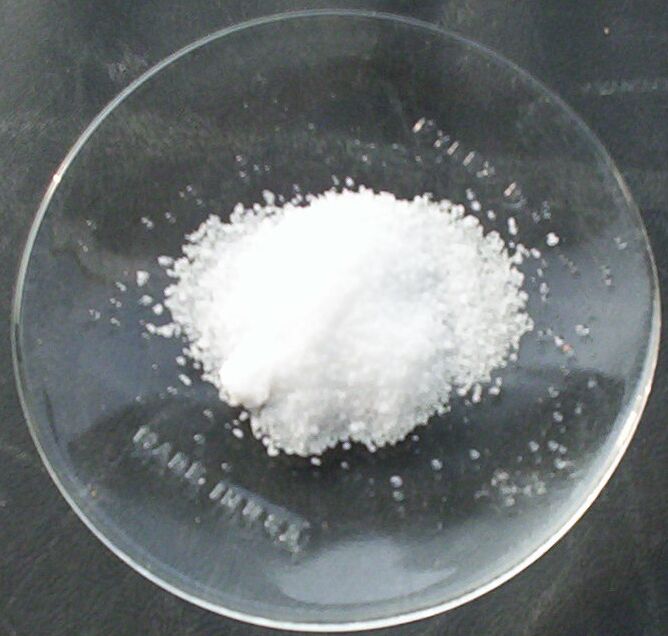
Lithium chloride is an inorganic salt composed of lithium cations and chloride anions, commonly written as LiCl. It appears as a white crystalline solid that readily absorbs moisture from air. For basic compositional or reference data see chemical information, while general material pages on the constituent ions are available at lithium and chloride.
Image gallery
3 Images
Structure and physical properties
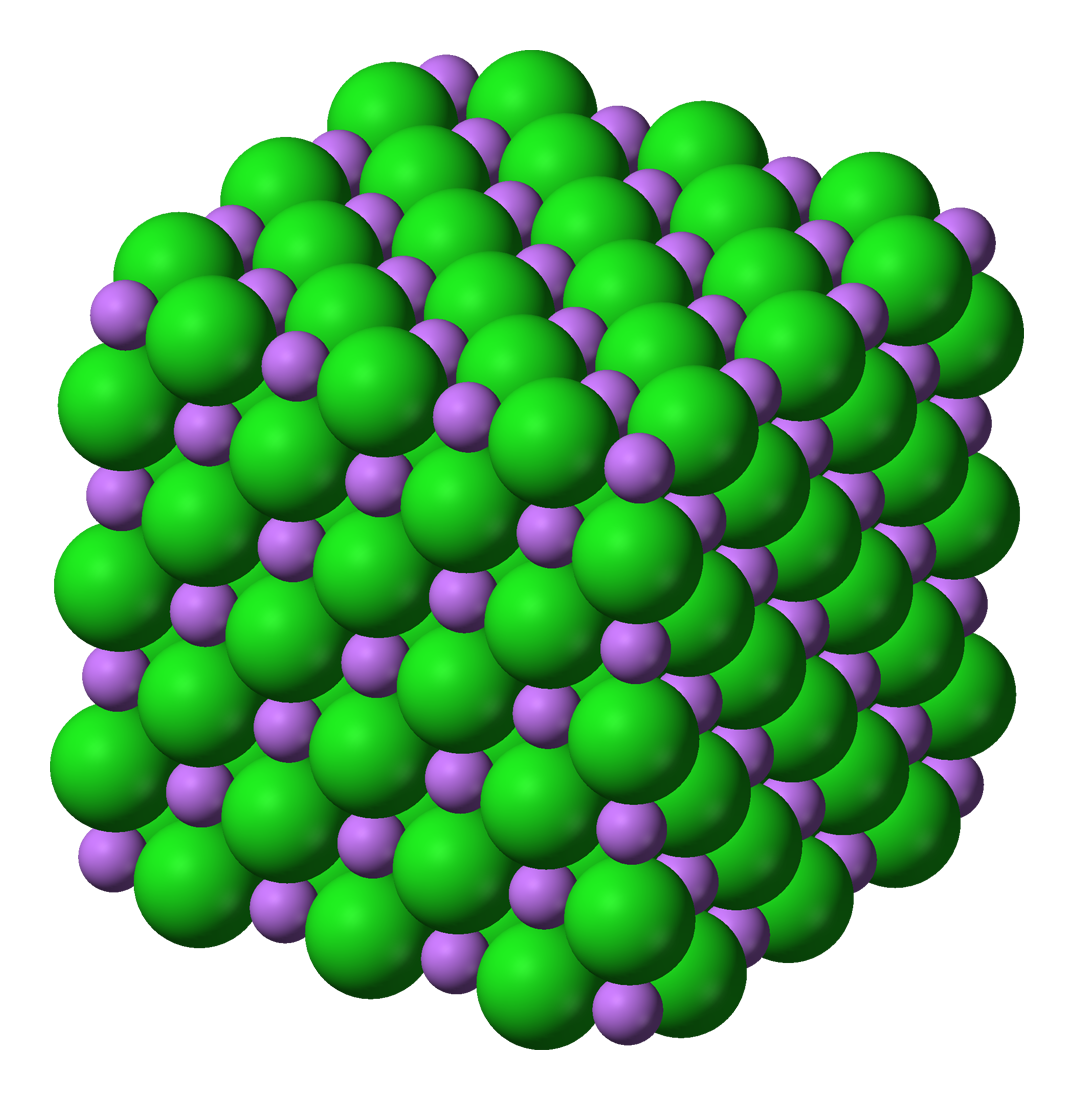
LiCl forms a simple ionic lattice in its anhydrous form and can also exist as hydrated crystals. It is noted for high solubility in water and strong hygroscopic behavior, meaning solid LiCl will attract and dissolve in atmospheric moisture. These features influence its handling, storage and many applications.
Preparation and chemical behavior
Industrially and in the laboratory, lithium chloride is produced by neutralizing lithium-containing bases with hydrochloric acid or by direct reaction of lithium metal or lithium compounds with appropriate chlorinating agents. In solution it behaves as a source of lithium ions in reactions, and molten LiCl can act as an ionic solvent and electrolyte in high-temperature electrochemical processes.
Uses and applications
- Dehydration and humidity control: used as a desiccant in some refrigeration and air-drying systems.
- Molten-salt chemistry and metallurgy: serves as an electrolyte or flux in extraction and electrolysis of metals.
- Laboratory reagent: employed in organic synthesis and in certain molecular biology protocols such as selective precipitation of RNA.
- Analytical and calibration roles in research settings.
Safety and handling
LiCl is toxic if taken internally and can affect nervous and renal systems; it also irritates skin and eyes. Because it is deliquescent, containers must be kept tightly sealed and stored in a dry environment. Consult a current safety datasheet for disposal, first aid and exposure limits: safety information.
Notable facts and context
Although lithium salts are widely known for medical use, the chloride salt is not commonly used therapeutically because other lithium salts are preferred for dosing and safety. LiCl's combination of high solubility and molten-salt utility makes it valuable in specialized industrial and research contexts, but its hygroscopicity and toxicity require careful control during use.
Related articles
Author
AlegsaOnline.com Lithium chloride Leandro Alegsa
URL: https://en.alegsaonline.com/art/58437