
Lithium nitrate (LiNO3)
Lithium nitrate is a white, water‑soluble inorganic salt used as an oxidizer and industrial reagent; it appears in pyrotechnics, molten‑salt applications, ceramics, and laboratory synthesis.
Overview
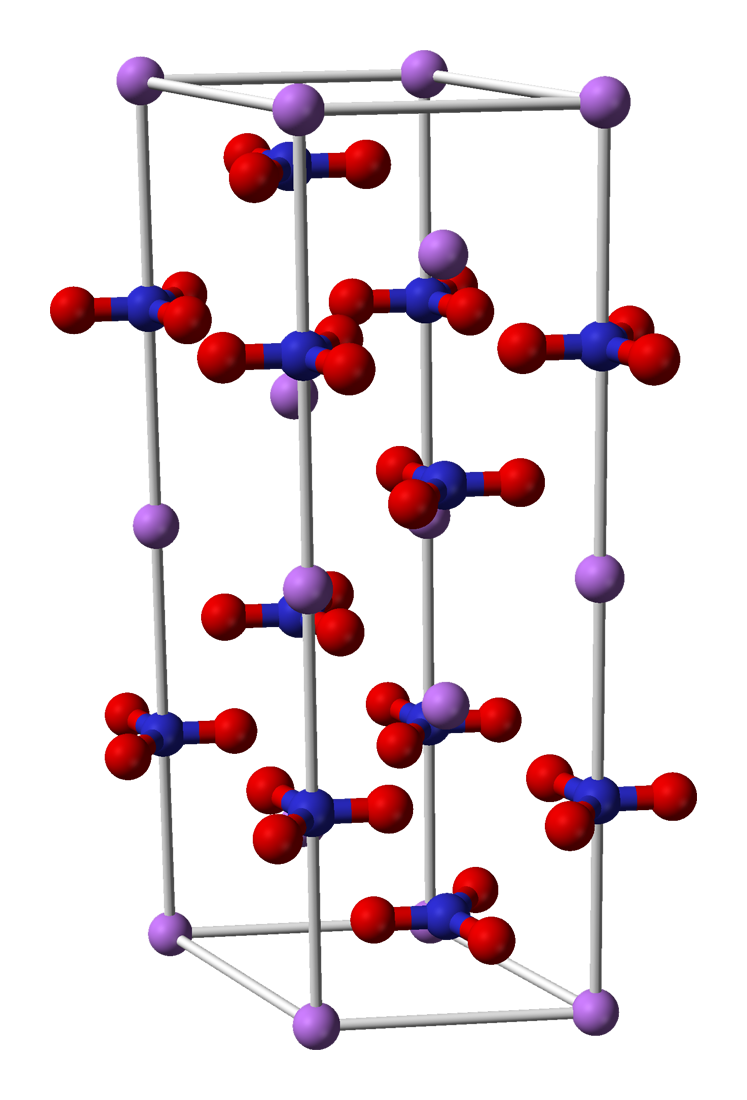
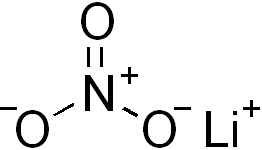
Lithium nitrate is an inorganic salt composed of lithium cations and nitrate anions with the formula LiNO3. It typically appears as colorless or white crystalline material that absorbs moisture from the air and dissolves readily in water. For basic chemical data and identifiers consult a general reference such as a compound database: compound details.
Image gallery
3 Images
Physical and chemical characteristics
As a nitrate, it is an oxidizing salt: it can supply oxygen to fuel mixtures and promote combustion under the right conditions. Its small lithium ion gives LiNO3 properties that differ from larger alkali nitrates—most notably higher solubility and different melting behavior. On heating, nitrates may decompose to oxides and gaseous nitrogen oxides, so thermal stability is limited compared with some salts.
Uses and examples
Lithium nitrate is used in several industrial and laboratory contexts. Typical applications include:
- Pyrotechnics and fireworks — as an oxidizer and to enhance crimson flame colors associated with lithium species.
- Molten‑salt and heat‑transfer mixtures — it can be a component of eutectic nitrate blends for thermal storage and process heat.
- Ceramics, glazes and specialty glass — lithium compounds modify melting and coating properties.
- Chemical synthesis — as a reagent or precursor to other lithium salts in research and production.
See product and application notes for examples of these uses: application notes.
History and production
Commercial production of lithium salts expanded with broader lithium mining and processing in the 20th century. Lithium nitrate is prepared from lithium hydroxide or carbonate by neutralization with nitric acid, followed by crystallization and drying. The scale and routes vary with intended purity and downstream use.
Safety, handling and disposal
Lithium nitrate is an oxidizer and should be kept apart from organic materials, reducing agents, and combustibles. It can be an irritant to skin and eyes and is harmful if swallowed; industrial handling follows standard chemical safety precautions and uses appropriate personal protective equipment. Waste disposal follows hazardous‑waste regulations and avoids release to the environment; consult a safety data sheet for specific guidance: safety information.
Notable distinctions and facts
Compared with sodium or potassium nitrate, lithium nitrate's smaller cation affects solubility, hydration behavior and melting points in mixtures. Its role as both an oxidizer and a source of lithium makes it valuable in niche technical applications, but its oxidizing nature imposes handling constraints. For technical specifications and analytical references see manufacturer or standards literature: technical specs.
Related articles
Author
AlegsaOnline.com Lithium nitrate (LiNO3) Leandro Alegsa
URL: https://en.alegsaonline.com/art/58440