
Butane (C4H10): Properties, Isomers, Uses and Safety
Butane is a four‑carbon alkane (C4H10) used as fuel, a refrigerant and an aerosol propellant. This article covers its structure, production, common applications, storage and safety considerations.
Overview
Butane is a simple hydrocarbon in the alkane family with the molecular formula C4H10. It exists as two structural isomers: n‑butane (a straight chain) and isobutane (a branched form also called methylpropane). At standard conditions it is a colorless, normally gaseous hydrocarbon that can be liquefied under moderate pressure, which makes it convenient for storage and transport.
Image gallery
8 Images

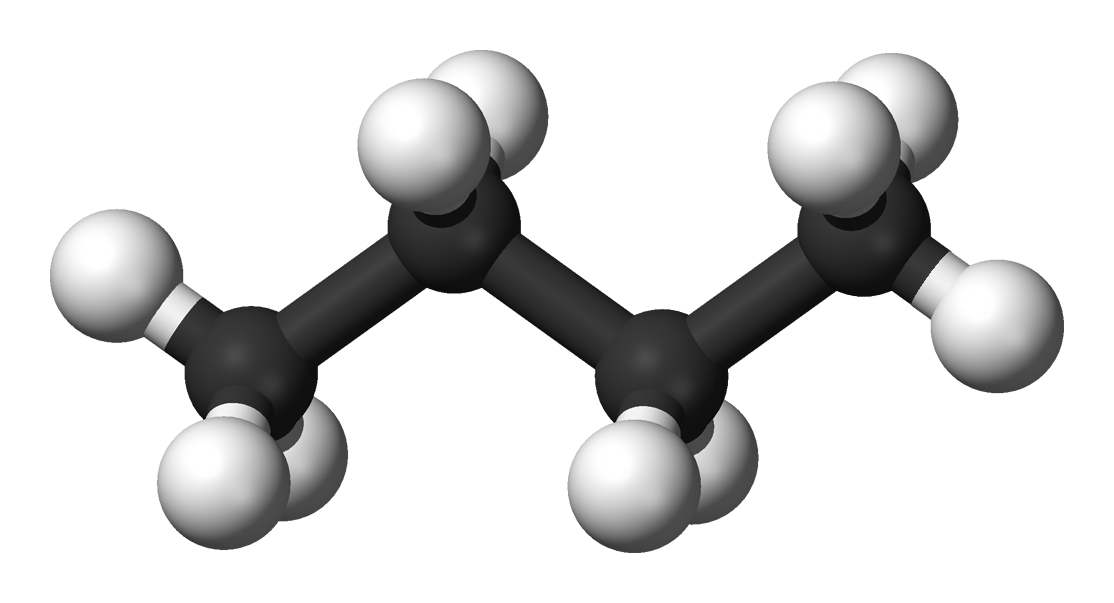
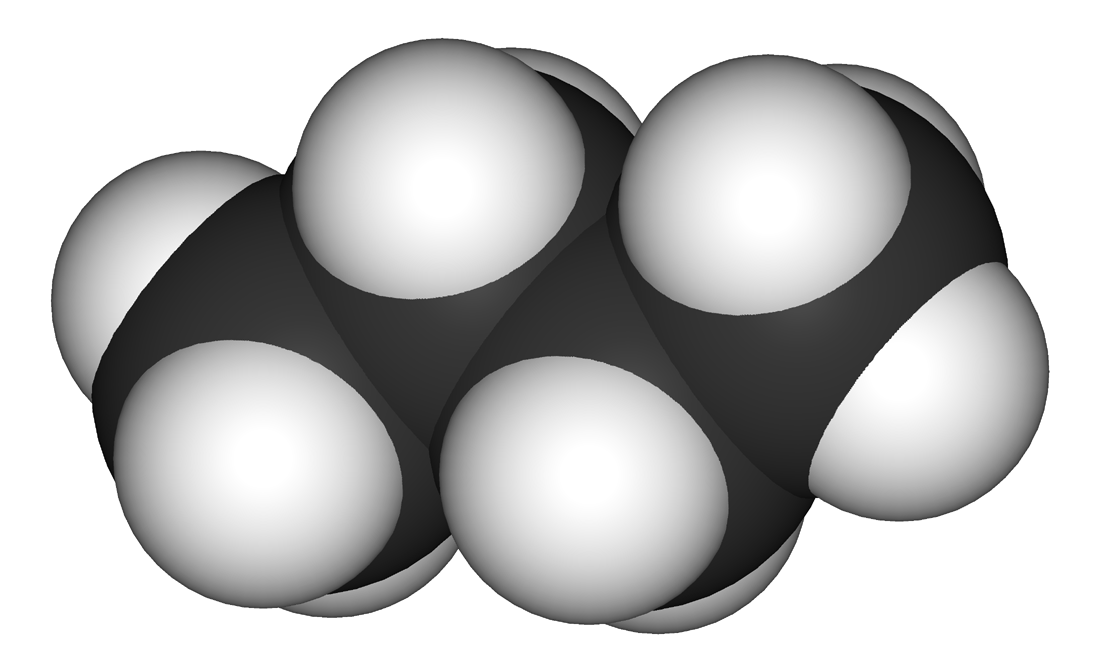


Physical and chemical characteristics
As an alkane, butane is composed of single bonds between carbon atoms and behaves as a saturated hydrocarbon. It is relatively unreactive compared with unsaturated compounds but burns readily in air to produce heat and combustion products. Commercial samples are often odorless until an odorant is added for leak detection. The two isomers have slightly different physical properties and industrial roles.
Production and historical notes
Butane is obtained from the processing of natural gas and petroleum refining, where it is separated from mixtures of light hydrocarbons. It became industrially important with the development of modern fuel and refrigeration technologies; both the straight and branched isomers have found distinct applications as technology evolved.
Uses and applications
Common applications include use as a fuel in portable stoves and lighters, a component of liquefied petroleum gas (LPG) often blended with propane, and as a propellant in aerosol products. Isobutane is widely used as a refrigerant in some domestic refrigerators and as a feedstock in petrochemical synthesis. Its ability to be stored as a liquid under pressure makes it useful where compact energy storage is needed.
Handling, hazards and distinctions
Butane is highly flammable and poses asphyxiation and explosion hazards in confined spaces. Safe handling emphasizes proper ventilation, pressure‑rated containers, leak detection and avoidance of ignition sources. Compared with propane, butane has different vapor pressure behavior with temperature, which affects suitability for outdoor use in cold climates. Distinguishing between n‑butane and isobutane is important in formulations and chemical processes.
Further reading
- Chemical nature of butane
- Molecular formula C4H10
- Structural details of n‑butane and isobutane
- Hydrogen content and saturated hydrocarbon properties
- Classification as an alkane
- Role of four carbon atoms in structure
- Use of butane as a fuel
- Blends with propane and LPG applications
- Use in aerosol products and propellant safety
Related articles
Author
AlegsaOnline.com Butane (C4H10): Properties, Isomers, Uses and Safety Leandro Alegsa
URL: https://en.alegsaonline.com/art/15638
Sources
- cdc.gov : "NIOSH Pocket Guide to Chemical Hazards #0068"
- rspl.royalsocietypublishing.org : "I. On the action of trichloride of phosphorus on the salts of the aromatic monamines"
- doi.org : 10.1098/rspl.1866.0018
- doi.org : 10.1039/9781849733069-FP001
- doi.org : 10.1021/ie50363a016