
Limnology: the scientific study of inland waters
Limnology is the multidisciplinary science of inland aquatic systems — lakes, rivers, wetlands and groundwater — covering their physical, chemical, biological and geological dynamics and human uses.
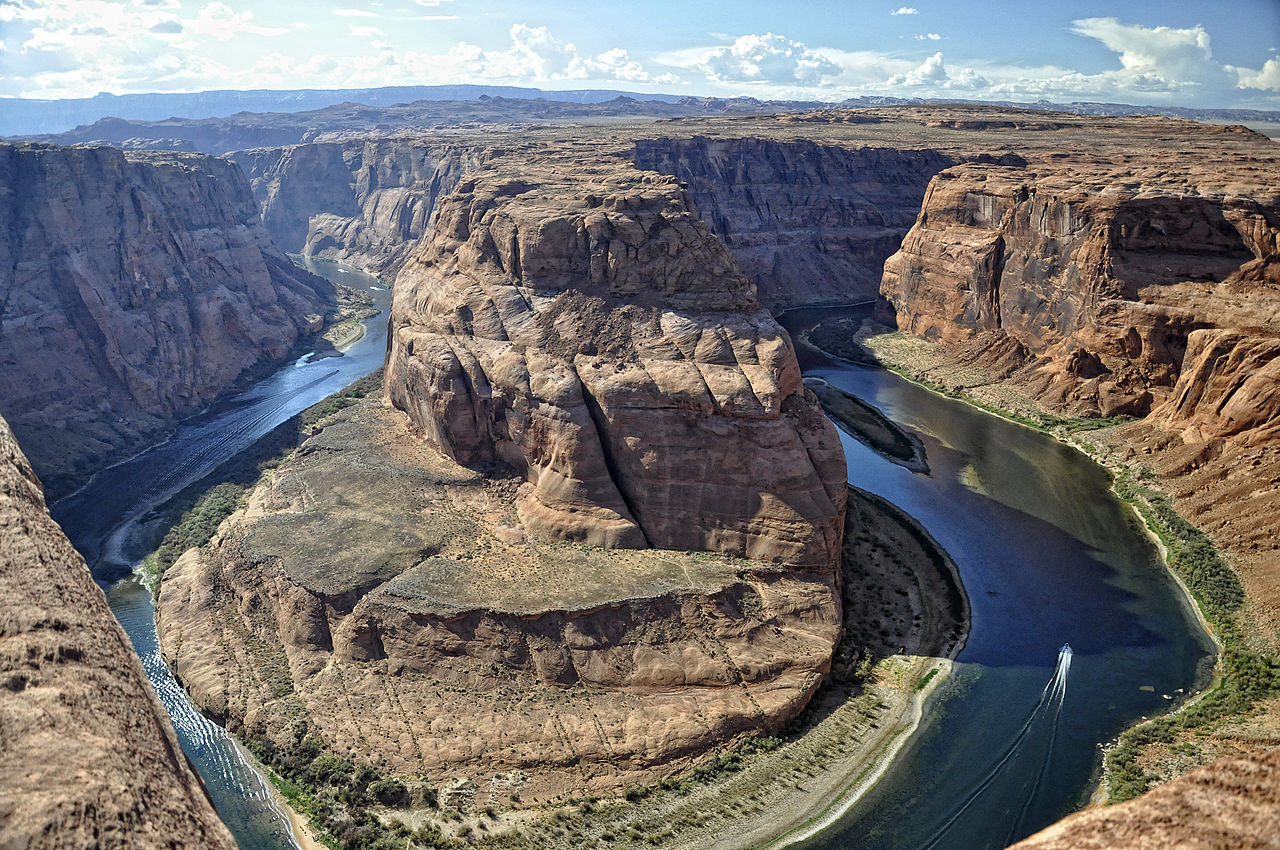
Limnology is the scientific study of inland waters that are not part of the oceans (oceans) or seas (seas). It encompasses natural and human-made bodies of fresh, brackish or saline water, including rivers (rivers), lakes (lakes), swamps (swamps), streams, wetlands, and subsurface waters. Researchers who specialize in this field are known as limnologists (scientists). They draw on multiple scientific disciplines — notably biology (biology), chemistry (chemistry), physics (physics), geology (geology) and hydrology (hydrology) — to describe how inland waters function.
Image gallery
10 Images






Scope and core topics
Limnology studies processes at many scales, from microscopic plankton communities to landscape-level water flow. Typical topics include nutrient cycling and water chemistry, aquatic food webs and biodiversity, physical mixing and thermal structure, sediment dynamics and groundwater-surface water interactions. Researchers use these topics to explain why some lakes teem with life while others are relatively barren, why rivers transport pollutants downstream, and how wetlands filter nutrients.
- Types of systems: Rivers, lakes, swamps, streams and groundwater.
- Processes: stratification and mixing, light and temperature gradients, biogeochemical cycles.
- Methods: field sampling, laboratory analysis and increasingly remote sensing and modeling.
Physical and biological dynamics
A central physical concept is thermal stratification: many deeper lakes develop distinct temperature layers during warm months, with a warm upper layer and a colder deep layer separated by a thermocline. Seasonal winds and cooling commonly trigger mixing events that redistribute oxygen and nutrients; autumn overturn in temperate lakes is a classic example. Biologically, limnologists study primary producers (algae and macrophytes), consumers (invertebrates and fish) and decomposers, and how these communities respond to changing nutrient levels, invasive species and contaminants.
History, institutions and examples
The discipline grew in the late 19th and 20th centuries as methods for studying freshwater biology and chemistry matured. International cooperation is fostered by bodies such as the International Society of Limnology. Regional centers have played important roles in developing theory and techniques; for example, the Freshwater Biological Association (FBA) near Windermere (Windermere) in England (England) was influential in early studies of lake stratification and seasonal mixing.
Applications and contemporary challenges
Applied limnology informs water supply management, fisheries, restoration of degraded wetlands, and the control of algal blooms and pollution. Current challenges include eutrophication from nutrient runoff, spread of non-native species, contamination by emerging pollutants, and the impacts of climate change on water temperature, ice cover and hydrological cycles. Limnological research underpins conservation strategies and helps governments and communities make evidence-based decisions about freshwater resources.
For further reading and resources, consult professional societies and research centers that specialize in inland water science and management.
Related articles
Author
AlegsaOnline.com Limnology: the scientific study of inland waters Leandro Alegsa
URL: https://en.alegsaonline.com/art/58097
Sources
- limnology.org : The International Society for Limnology