
Windermere — the largest natural lake in England
Windermere is a glacial ribbon lake in the Lake District of England, known for its size, natural beauty, heritage towns, wildlife and long history as a centre for recreation and conservation.
Overview
Windermere is the best-known lake in the English Lake District and is widely recognised as the largest natural lake in England. It is a long, narrow body of freshwater that has been a focal point for visitors, local communities and naturalists for more than two centuries.
Image gallery
10 Images




Geography and formation
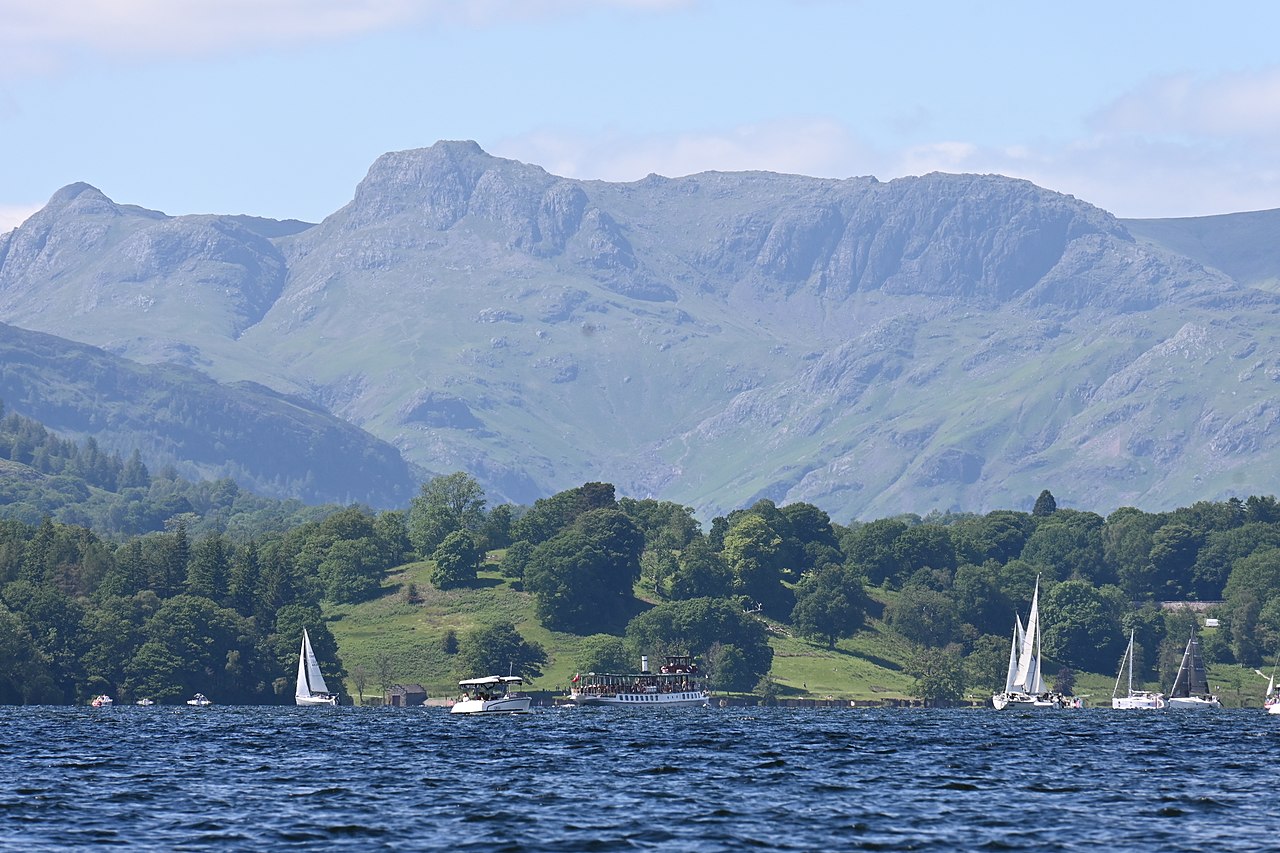
The lake is a classic glacial ribbon lake set among hills and valleys carved by ice during the last Ice Age. It stretches for many kilometres in a north–south orientation, with shallow bays and deeper central basins. The shoreline combines wooded slopes, farmland, and developed shores where settlements have grown.
History and settlements
Settlements such as Bowness-on-Windermere, Windermere town and Ambleside developed along the lake’s shores. The name has ancient roots reflecting Old English and Norse influences typical of the region. From the 18th and 19th centuries the arrival of roads and railways turned Windermere into a popular destination for tourists and artists.
Ecology and conservation
Windermere supports varied freshwater habitats and is home to fish, waterfowl and aquatic plants. Parts of the lake and surrounding land lie within the Lake District National Park and are subject to conservation measures aimed at protecting water quality, birdlife and native vegetation.
Recreation
- Boating and passenger cruises that cross the lake.
- Angling for trout and other species with local regulations.
- Walking, cycling and lakeshore trails that link to wider routes in the national park.
- Water sports and wildlife watching from viewpoints and hides.
Notable facts
Beyond its recreational role, Windermere has long inspired writers and artists and remains one of the most visited natural landmarks in the north of England. Its combination of scenic variety, accessible shoreline and cultural associations make it important both locally and nationally.
Related articles
Author
AlegsaOnline.com Windermere — the largest natural lake in England Leandro Alegsa
URL: https://en.alegsaonline.com/art/108487