
Longshore drift (littoral drift): coastal transport of sediment
Longshore drift is the zigzag movement of sand and pebbles along a shoreline driven by oblique wave approach, shaping beaches and coastal landforms and influencing erosion and management.
Longshore drift, also called littoral drift, is the process by which sediment such as sand, pebbles and small rocks move along the shoreline under the action of waves and currents. Rather than being pushed straight up and down a beach, material is transported laterally in a net direction determined primarily by the prevailing wind and the angle at which waves reach the coast. Over time this continuous transport reshapes beaches, forms coastal features and affects human use of the shore.
Image gallery
9 Images




Mechanism
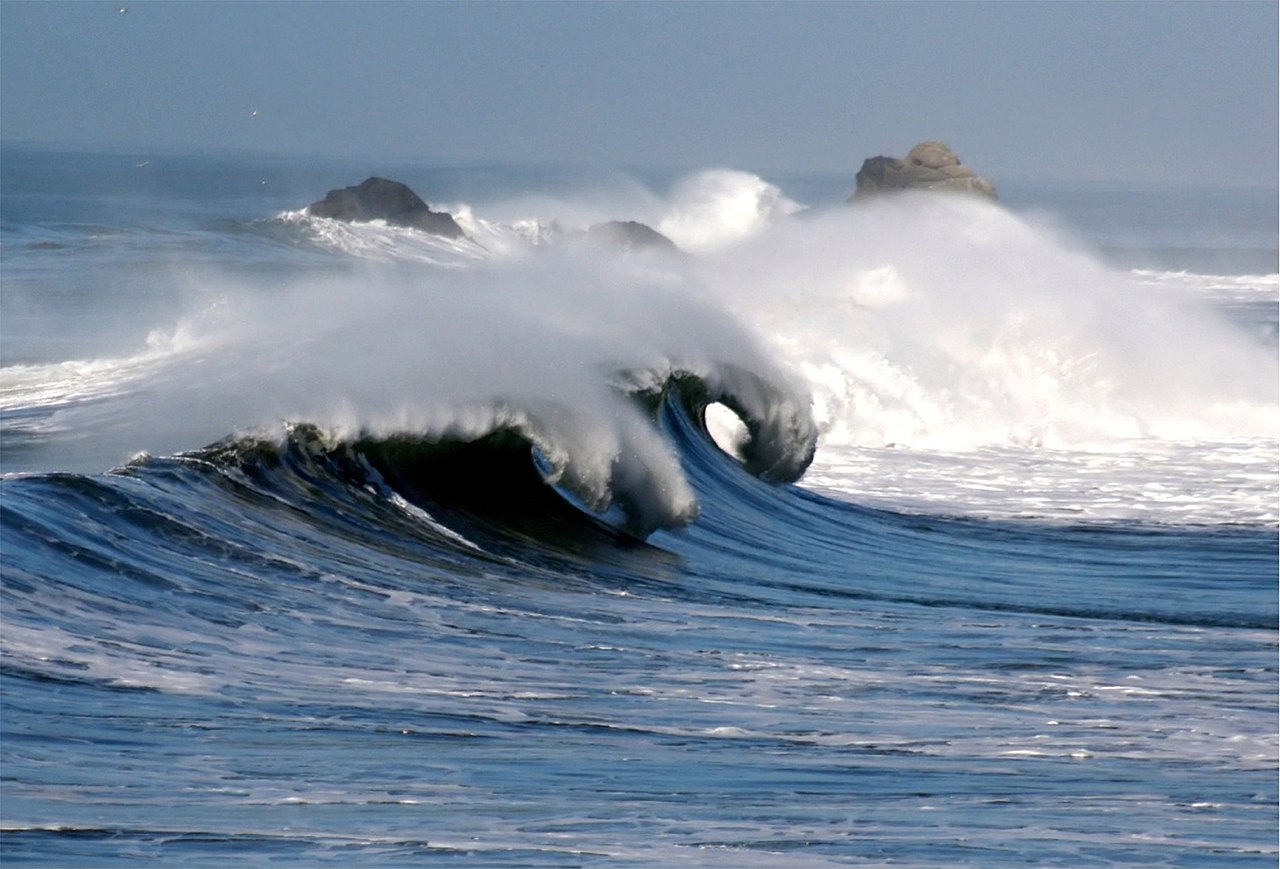
The core motion that produces longshore drift is the alternation of swash and backwash. Incoming waves wash up the beach at an oblique angle (the swash), carrying sediment upright and along the shore. Gravity pulls water and sediment straight down the slope on the return flow (the backwash), which moves material seaward. Repetition produces a net zigzag movement of grains along the shore. This movement is driven by the nearshore current called the longshore current; the drift is the sediment transported by that current. The role of gravity is key in returning material downslope during backwash, while wave direction sets the lateral component.
Factors affecting rate and direction
Several variables control how fast and in what direction longshore drift operates. These include the dominant wind direction and strength, the angle and energy of incoming waves, the length of open water (fetch) over which waves form, beach slope and profile, and sediment size and shape. Coarser gravels are harder to move than fine sand, so beaches with mixed sediment show differential transport. Human constructions such as harbours and groynes also alter patterns by interrupting flow or trapping material.
Landforms and coastal effects
Longshore drift builds and reshapes a range of coastal features. When transported sediment accumulates where the shoreline changes direction or where current energy drops, it can form spits, bars, tombolos and barrier islands. Famous examples of sediment accumulation and reworking can be seen in features such as tombolos joining offshore stacks or long spits sheltering estuaries. Conversely, interruption of sediment supply can lead to downdrift erosion, retreating beaches and loss of dunes. These changes affect habitats, recreation, property and navigation.
Coastal management and engineering
Because longshore drift redistributes valuable beach material, coastal managers use various methods to control or work with it. Each option has trade-offs:
- Groynes: timber, rock or concrete barriers perpendicular to the shore that trap sand and build up the updrift beach but may starve downdrift areas.
- Breakwaters and sills: offshore or nearshore structures that reduce wave energy and encourage deposition in their lee.
- Beach nourishment: adding sand to eroded beaches to mimic natural sediment supply without changing drift patterns.
- Bypassing: mechanically moving sediment around structures or from accreting to eroding stretches to restore balance.
- Seawalls and revetments: hard defenses that protect specific landward assets but can increase erosion at the base and nearby shores.
Research, monitoring and significance
Coastal scientists study longshore drift using field markers, sediment tracing, aerial photography and modern techniques such as LiDAR and GPS surveys. Understanding the process is essential for shoreline planning, ecosystem conservation and infrastructure protection, particularly as sea level rise and changing storm patterns alter wave climates. Because longshore transport links different parts of a coast, interventions in one place often have measurable consequences elsewhere, making integrated planning important for sustainable coastal management.
For further practical or regional details see resources on coastal processes and management strategies: prevailing wind effects, sediment types, beach profiles, wave action and gravity and slope.
Questions and answers
Q: What is longshore drift?
A: Longshore drift is the process of ocean currents forcing sand and other material down a beach.
Q: What causes the material to move in longshore drift?
A: The material is first pulled into the currents by the backwash and then pushed back up the beach by the swash.
Q: In what direction does longshore drift move?
A: Longshore drift always moves in the direction of the main wind.
Q: How do waves carry rock material up the beach?
A: Waves carry the rock material up the beach at an angle.
Q: What is the net movement of sand grains across a beach in longshore drift?
A: The net movement of sand grains across a beach in longshore drift is in a zig-zag motion.
Q: What is the most common method of controlling longshore drift?
A: The most common method of controlling longshore drift is groynes, which are wooden walls that sand builds up against.
Q: Why do some people dislike groynes?
A: Some people dislike groynes because they interfere with walking along the beach and the look of the beach.
Related articles
Author
AlegsaOnline.com Longshore drift (littoral drift): coastal transport of sediment Leandro Alegsa
URL: https://en.alegsaonline.com/art/59137