
Hydrology: the science of water movement, distribution and quality
Hydrology studies the movement, distribution, and quality of water on Earth, including the water cycle, surface and groundwater, measurement methods, uses in water management, and distinctions like hydrogeology.
Overview
Hydrology is the scientific study of the movement, distribution and quality of water across and within the Earth. Practitioners, called hydrologists, investigate how water is stored, transferred and transformed in the environment and how those processes affect people, ecosystems and infrastructure.
Image gallery
10 Images


Core processes and the water cycle
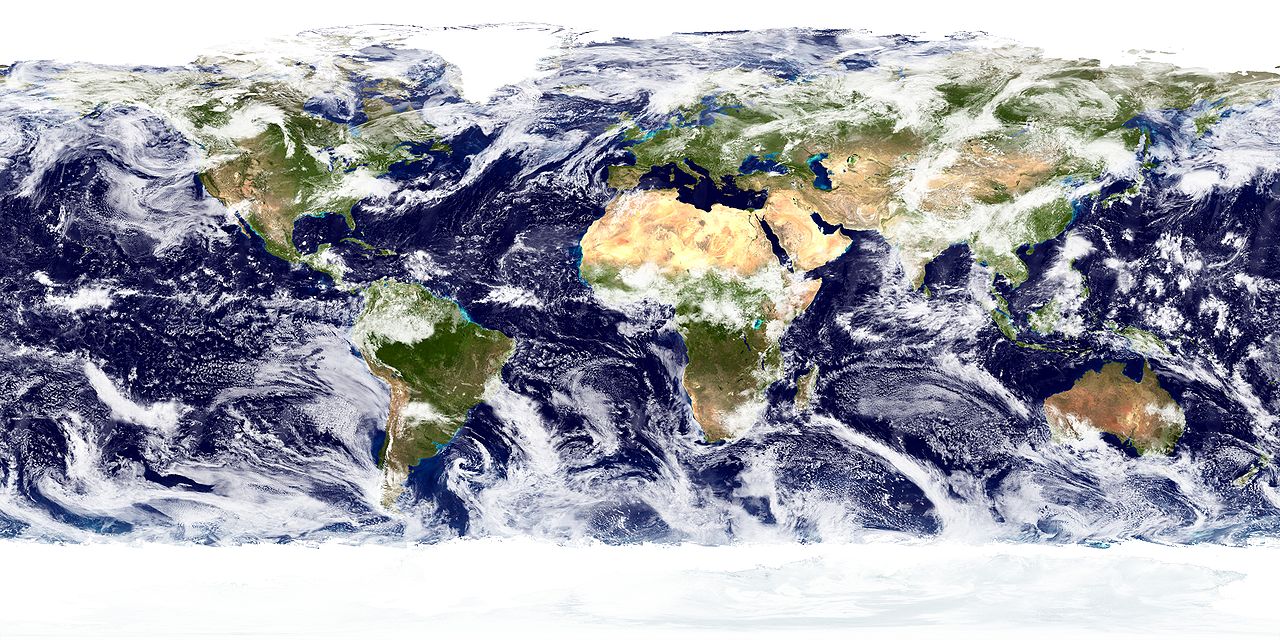
The central organizing concept is the water cycle, a set of interconnected processes that move water between the atmosphere, surface and subsurface. Key steps include evaporation from seas and soils, transport above the ocean and land, cloud formation (clouds), precipitation onto land, and return flows such as rain runoff, infiltration to groundwater and discharge back to rivers and oceans. Evapotranspiration, interception by vegetation, snowpack accumulation and melting are also central to water balances.
Components and characteristics
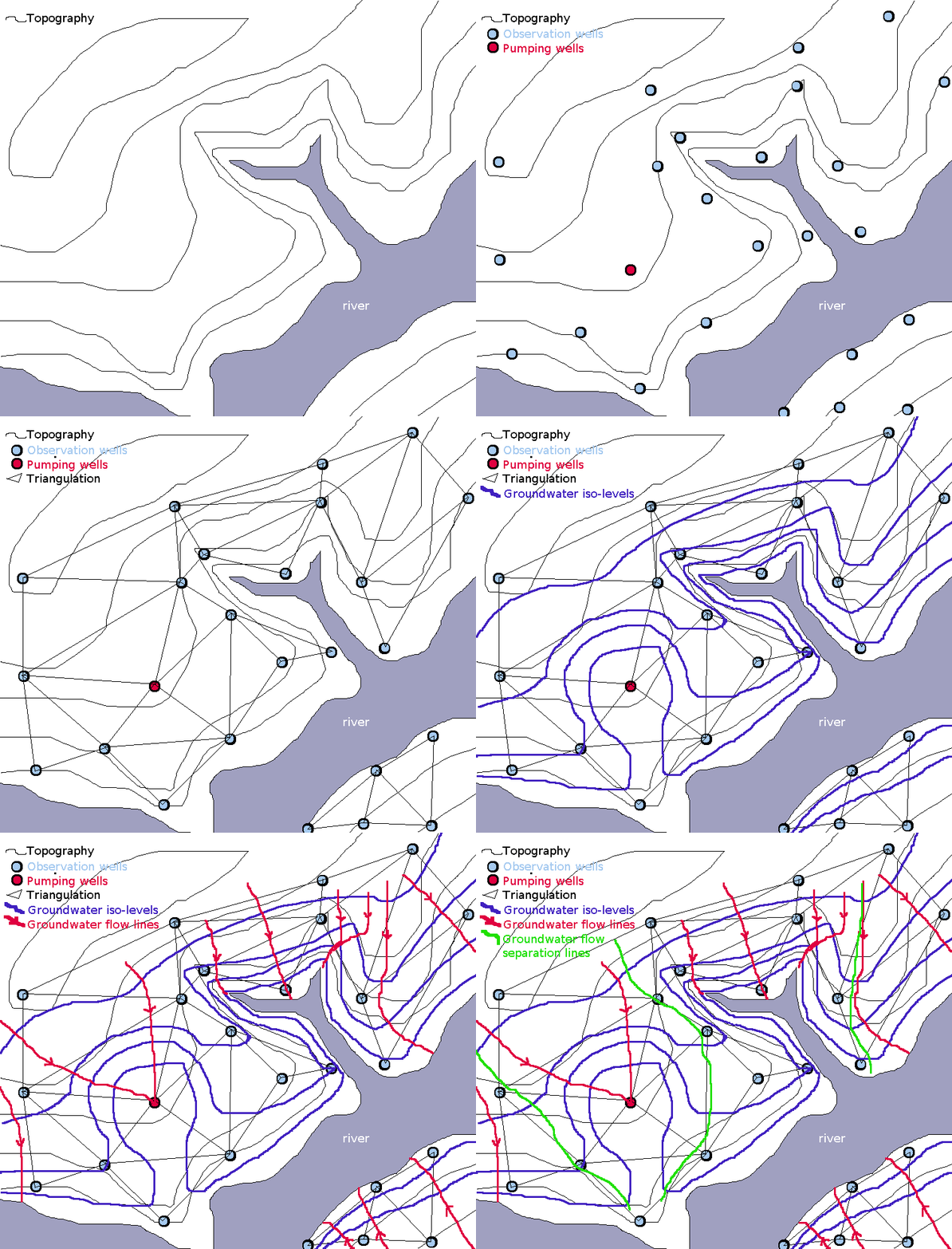
Hydrology addresses several linked reservoirs and flows, including surface water (rivers, lakes), groundwater in aquifers, soil moisture, glaciers and atmospheric water. Analysts examine rates (fluxes), storage volumes, seasonal variability and the influence of climate and land cover. Watershed or catchment boundaries are commonly used units for analysis because they collect and route precipitation to a common outlet.
Methods and tools
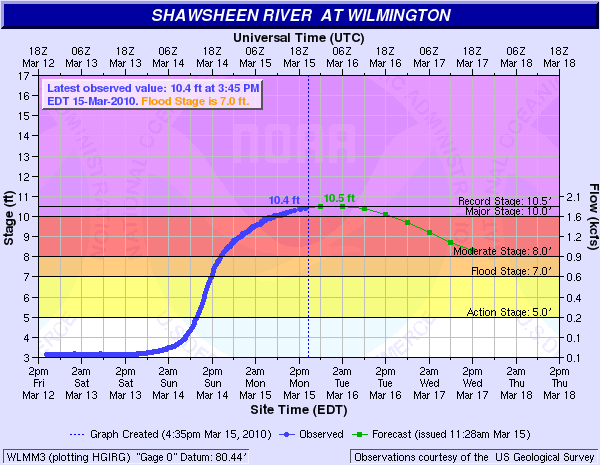
- Field measurements: stream gauges, piezometers, rain gauges and water-quality sampling.
- Remote sensing and satellites for precipitation, soil moisture and snow cover.
- Numerical models that simulate flow, sediment transport, contaminant fate and groundwater movement.
- Statistical and data-driven techniques for flood frequency, drought indices and trend detection.
These methods are often combined: observations calibrate and validate models used for prediction and planning.
History, applications and importance
Hydrology evolved from practical needs—irrigation, water supply and flood control—to a quantitative science in the 19th and 20th centuries as instrumentation and theory advanced. Today it informs water-resources management, urban drainage and stormwater design, flood and drought forecasting, environmental protection and agricultural planning. Hydrologic knowledge is increasingly important for climate-change adaptation, ecosystem conservation and infrastructure resilience.
Distinctions and notable points
Hydrology overlaps with hydrogeology (focus on groundwater), meteorology (atmospheric processes) and geomorphology (landscape evolution). Challenges include scaling results from plots to basins, dealing with data scarcity, and quantifying uncertainty. Because water links physical, chemical and biological systems, hydrology is inherently interdisciplinary and central to managing freshwater sustainably.
Further reading: introductory textbooks, professional societies and national hydrological services provide practical guidance and datasets; methodological resources range from field manuals to advanced modelling texts.
Questions and answers
Q: What is hydrology?
A: Hydrology is the study of movement, distribution, and quality of water throughout the Earth.
Q: What is a hydrologist?
A: A hydrologist is a person who studies hydrology.
Q: What is the central theme of hydrology?
A: The central theme of hydrology is how water circulates, which is called the water cycle.
Q: What is the water cycle?
A: The water cycle is the process by which water evaporates from the ocean, forms clouds, and produces rain as it drifts over the land.
Q: What is the most vivid illustration of the water cycle?
A: The most vivid illustration of the water cycle is the water evaporation from the ocean with the formation of clouds, which then drift over the land and produce rain.
Q: What does a hydrologist study?
A: A hydrologist studies the movement, distribution, and quality of water throughout the Earth.
Q: What is the importance of hydrology?
A: Hydrology is important because it helps us understand the movement and distribution of water, which is necessary for human survival, agriculture, and ecosystem functioning.
Related articles
Author
AlegsaOnline.com Hydrology: the science of water movement, distribution and quality Leandro Alegsa
URL: https://en.alegsaonline.com/art/46113
Sources
- commons.wikimedia.org : Hydrology
- ga.water.usgs.gov : What is hydrology and what do hydrologists do?
- issaquah.org : Basic Ground Water Hydrology