
Flax (Linum usitatissimum): botany, uses, and history
Flax is a versatile plant grown for its fibrous stems and oil-rich seeds. This article explains its botany, processing, traditional and modern uses, and cultural significance.
Overview
Flax (Linum usitatissimum) is a herbaceous flowering plant cultivated both for its long, strong fibres and for its nutrient-dense seeds. The botanical name and basic classification can be found in many plant reference entries: Linum usitatissimum. Two principal types are usually distinguished in agriculture: fiber flax, grown for textile and paper production, and linseed (oil) flax, grown primarily for seed oil.
Image gallery
10 Images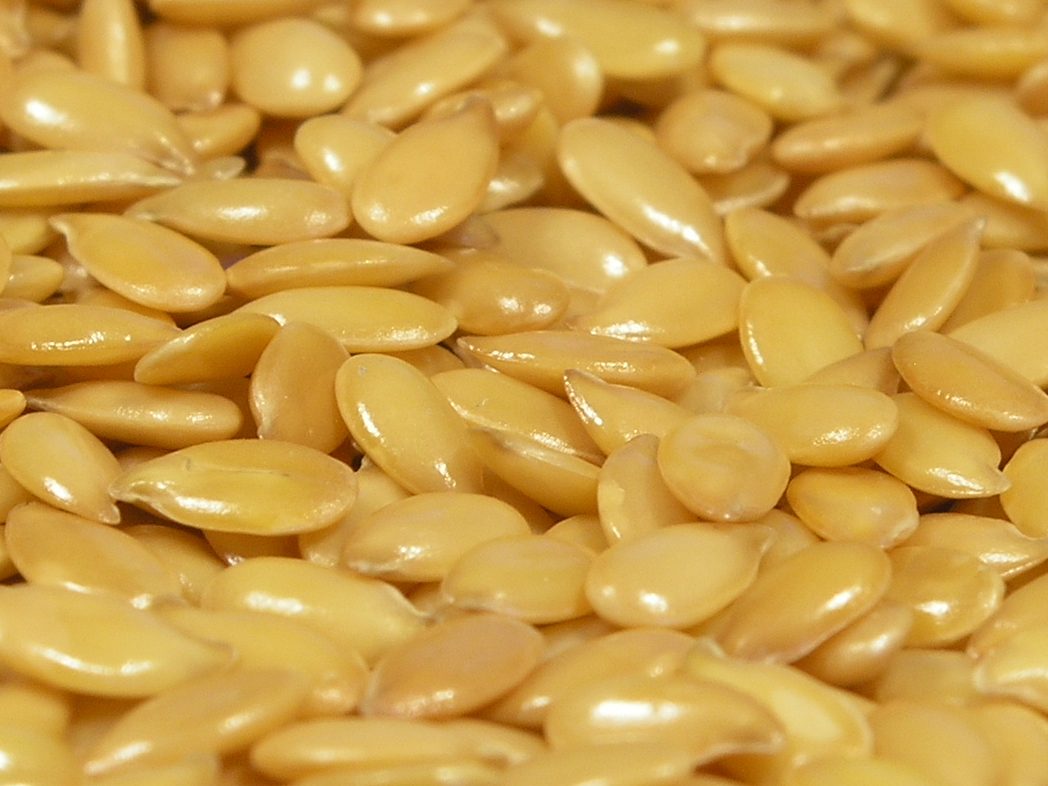


Plant characteristics and cultivation
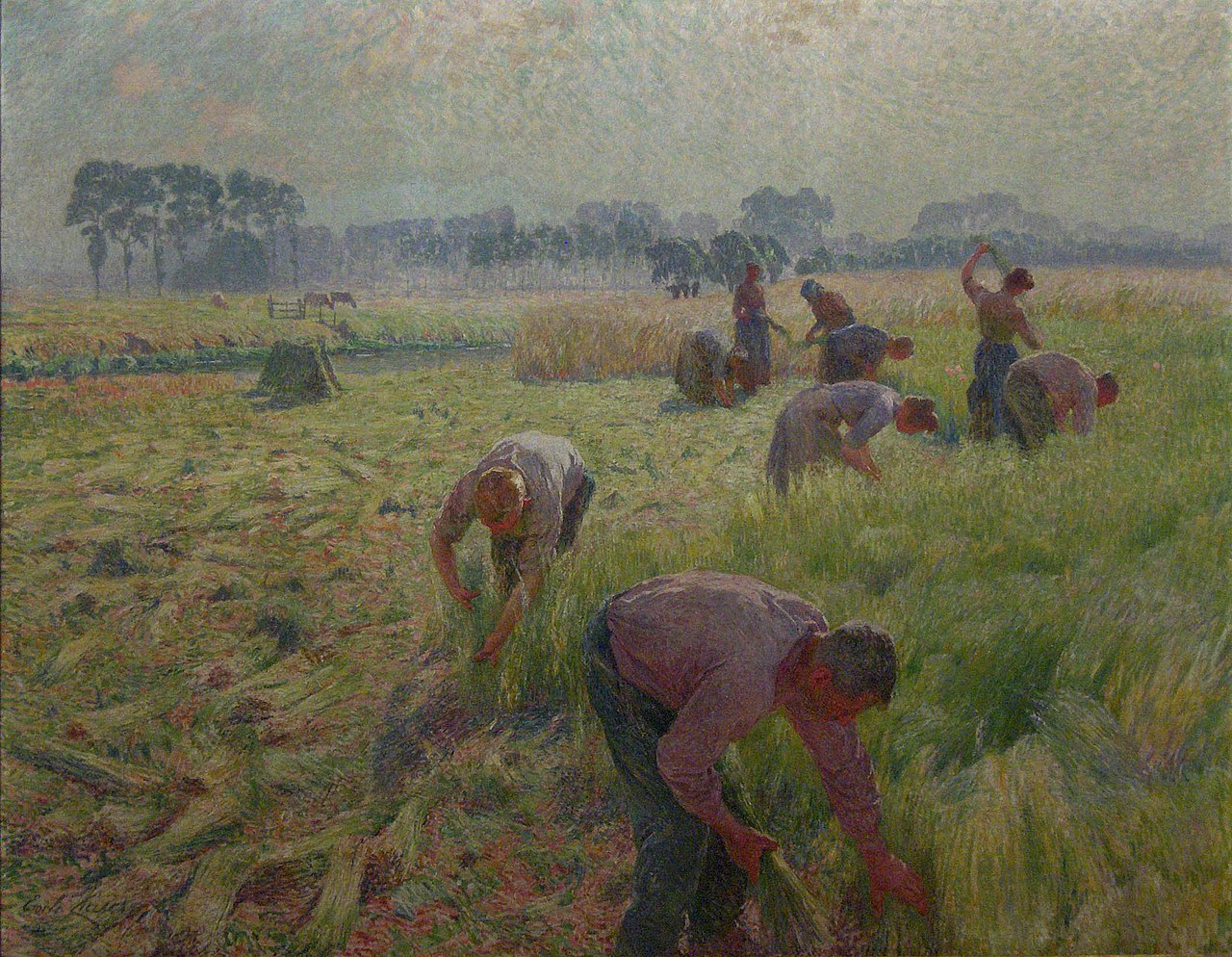
Flax is an annual plant with slender stems, narrow leaves and pale blue, white, or sometimes pink flowers. It prefers temperate climates and fairly shallow soils. Farmers harvest flax either by pulling plants to preserve fibre length or by cutting and combining for seed. After harvest, stems are subjected to retting, drying and mechanical processing to separate the bast fibres used in textiles and other products; more on processing methods is explained here: fiber processing.
Processing and principal products
The long bast fibres are cleaned and spun into linen, a textile prized for strength and breathability: linen production. High-quality rag papers, including some banknote papers, may include flax fibres for durability: see examples of paper uses at paper from flax and specific security uses at banknote materials. Seeds yield linseed oil, used in finishes and paints as well as in some traditional foods: linseed oil.
History and cultural importance
Flax is one of the oldest cultivated plants, with evidence of use for textiles and cordage in several early agrarian societies. Its long association with clothing, household items and practical crafts is documented across regions; for a general historical overview see flax history. Historically, fibres were used for twine and bowstrings in some communities and for basic lighting and household needs such as candles: bow applications and traditional candle use.
Uses, examples and significance
- Textiles: linen garments, home textiles and upholstery.
- Industrial: high-strength paper, composite materials and insulation.
- Food and nutrition: whole, ground or oil-rich seeds valued for fatty acids and fibre.
- Art and craft: traditional cordage, canvases and historical reenactment materials.
Notable distinctions
Flax differs from related fiber crops by producing very long bast fibres that yield a distinct fabric — linen — notable for its luster and cooling properties. Seed varieties are selected for oil content rather than fibre length. Modern interest spans sustainable textiles, plant-based materials and nutritional uses, keeping flax relevant from ancient textiles to contemporary industry.
Related articles
Author
AlegsaOnline.com Flax (Linum usitatissimum): botany, uses, and history Leandro Alegsa
URL: https://en.alegsaonline.com/art/35059