
Kapok (Ceiba pentandra): tropical tree, seed fibre, and cultural symbol
Kapok is Ceiba pentandra, a tall tropical tree native to the Americas and West Africa. Its silky seed fibre and large stature have ecological, economic and cultural importance across tropical regions.
Kapok commonly refers to Ceiba pentandra, a large tropical tree and the soft, lightweight fibre taken from its seed pods. The species is classified as a species of tropical trees in the order Malvales and the family Malvaceae; it was formerly placed in the Bombacaceae. Wild and cultivated populations occur naturally from Mexico through Central America and the Caribbean into northern South America, and as a distinct variety (var. guineensis) in tropical west Africa.
Image gallery
10 Images



Botanical characteristics
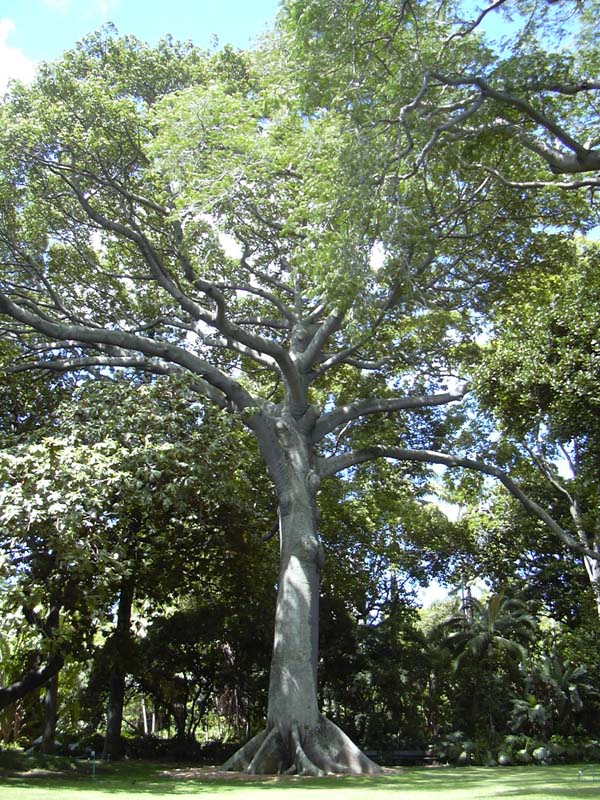
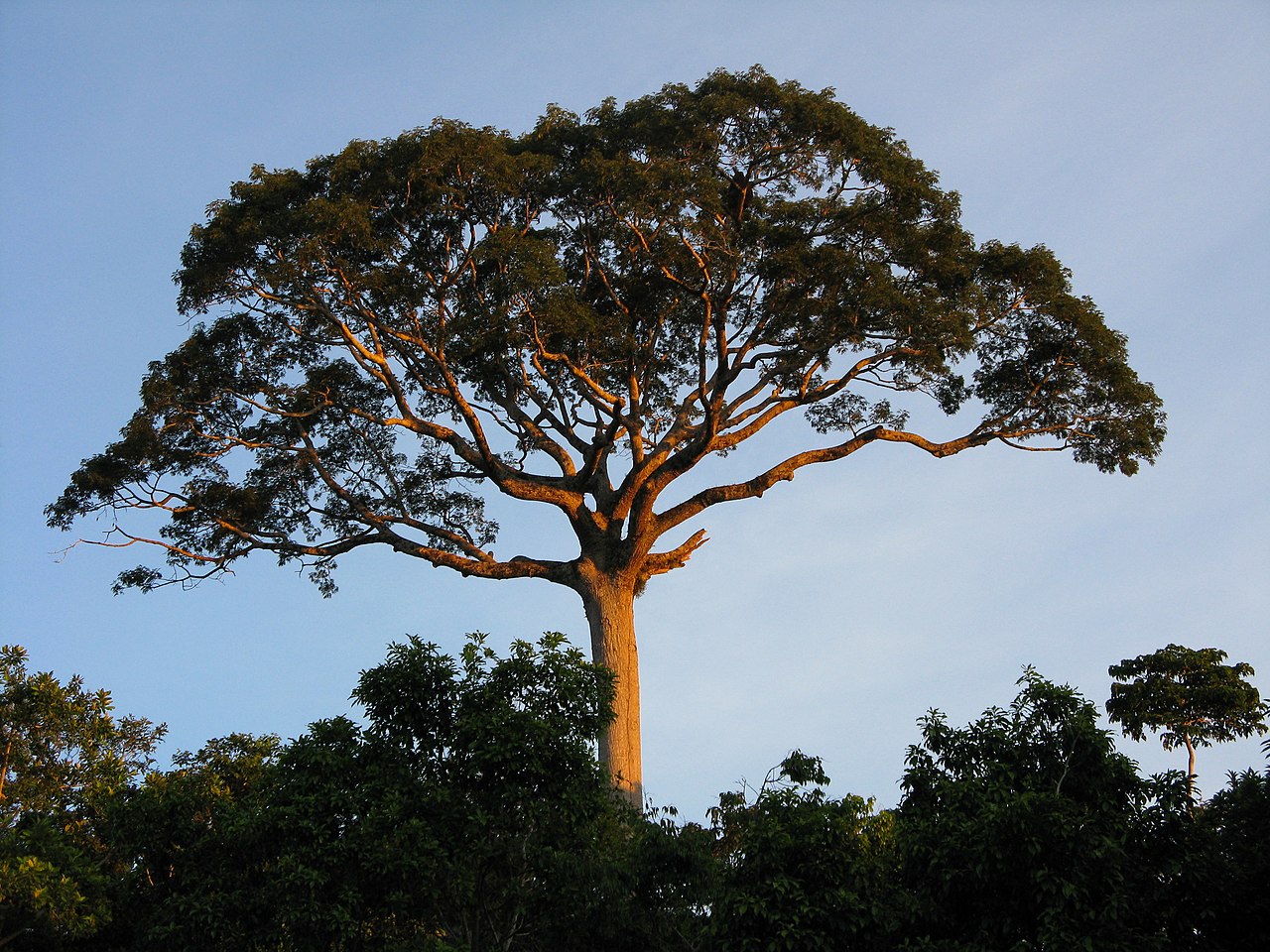
Kapok trees are notable for their great height and broad buttressed trunks; mature trees may reach tens of metres with trunks that can become very wide. Leaves are palmately compound, and the tree produces showy flowers in shades of white or pink. Flowers open in clusters and attract a range of pollinators. Fruits are elongated pods containing numerous seeds embedded in a mass of soft, pale fibres. Those fibres are hollow, lightweight, and coated with a waxy substance that makes them naturally water-resistant and buoyant.
Fibre, seeds and other parts
The term "kapok" also denotes the seed fibre removed from the pods. This fibre has been prized for stuffing mattresses, cushions, pillows, and insulation because it is light, springy, and resists water uptake. Seeds yield an oil that has been used locally for soap and other purposes after processing. The wood of Ceiba species is soft and light; while not highly prized for heavy construction, it is used for carving, floats, and light craft.
Ecology and cultivation
Kapok plays important ecological roles in tropical forest canopies. Its tall stature and often umbrella-like crown provide habitat and food resources for many birds, mammals and insects. Flowers supply nectar and pollen that attract bats, nocturnal mammals and pollinating insects. Kapok grows best in humid, lowland tropical climates and has been planted widely outside its native core range. It is relatively fast-growing and tolerates a variety of soils, which contributed to its spread with human cultivation.
History, uses and economic changes
Historically the fibre was a valuable stuffing material before the widespread adoption of synthetic materials. It was used in bedding, upholstery, and flotation devices because of its buoyancy. During the 20th century, many traditional uses declined as polyester, foam and other synthetics became cheaper and more uniform. However, kapok fibre still finds niche uses among artisanal producers, in traditional crafts, and in situations where a natural, biodegradable filler is preferred.
Cultural significance and notable facts
Kapok trees are culturally significant in several regions: for example, the ceiba is sacred to Maya communities and often referred to as a "tree of life" in local cosmologies. Botanically, Ceiba pentandra illustrates taxonomic revision: its family placement moved as plant classification systems were updated. Conservation of large, old kapok specimens matters for biodiversity because these trees provide unique structural habitats in tropical forests.
Summary of considerations
- Taxonomy and native range: see links to species, order and regional links for distribution: Mexico, Central America, Caribbean, South America and West Africa.
- Fibre properties: hollow, light, water-repellent—useful for stuffing and insulation.
- Ecological importance: tall canopy tree supporting pollinators and cavity users.
- Cultural value: sacred status in Maya tradition and other tropical societies.
For botanical details, cultivation advice, or ethnobotanical accounts consult specialized sources and local experts to account for regional varieties, management practices, and conservation status.
Related articles
Author
AlegsaOnline.com Kapok (Ceiba pentandra): tropical tree, seed fibre, and cultural symbol Leandro Alegsa
URL: https://en.alegsaonline.com/art/52233