
Kelp: Biology, Ecology, Uses, and Conservation
Kelp are large brown macroalgae that form underwater forests in nutrient-rich coastal waters. This article explains their structure, ecological role, human uses, threats such as urchin grazing and warming, and conservation.
Kelp are fast-growing, multicellular brown algae that form extensive underwater forests along temperate and polar coastlines. Belonging to the order Laminariales in the brown algae (Phaeophyceae), these organisms are not true plants but complex seaweeds with distinct body parts and life cycles. Kelp forests are among the most productive and structurally complex marine habitats, supporting fisheries and coastal biodiversity. For a basic reference to the general category, see seaweed and a note on classification as brown algae.
Image gallery
10 Images



Structure and growth
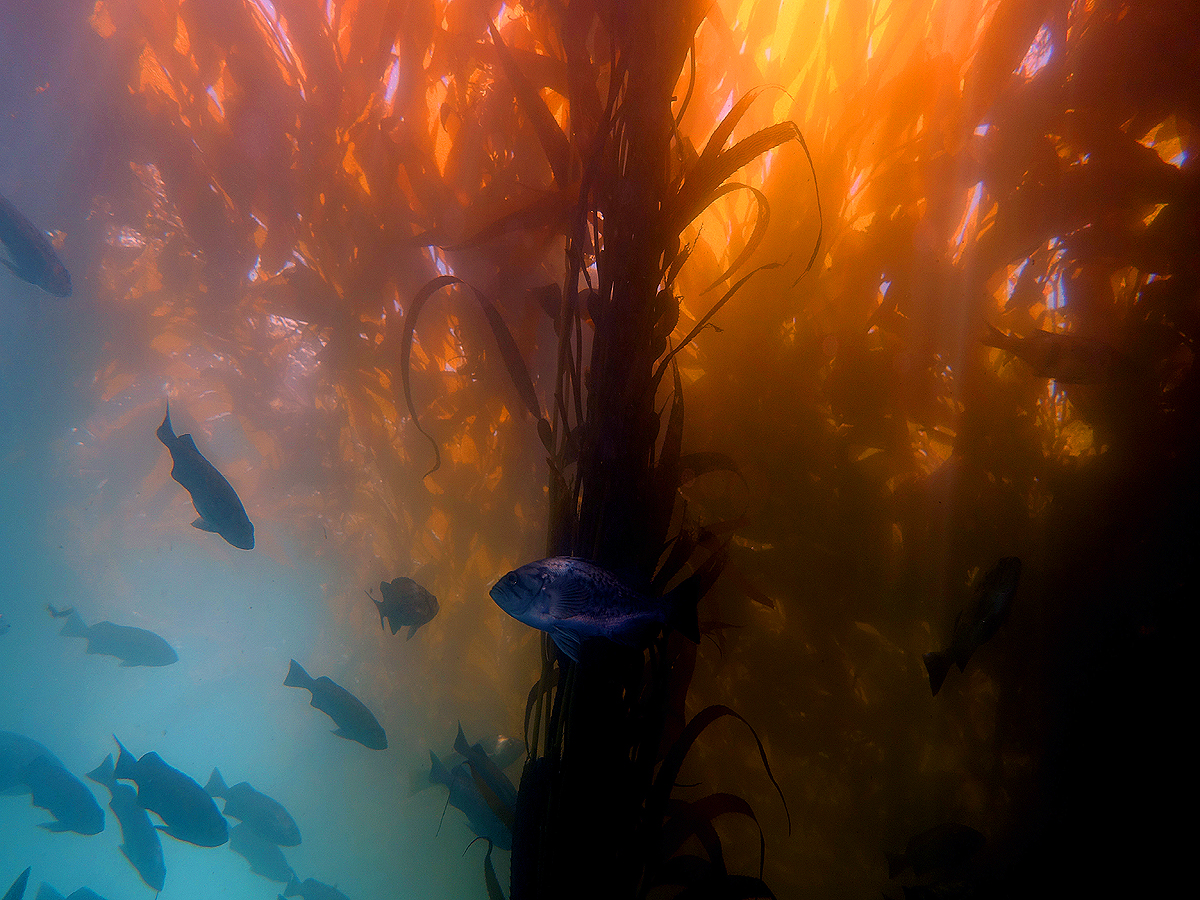
Typical kelp has a holdfast that anchors it to rock, a flexible stipe (stem-like axis), flattened blades that perform photosynthesis, and gas-filled bladders (pneumatocysts) that lift the blades toward the surface to form a canopy. Growth happens at specialized meristematic regions, and some species can extend their length very rapidly — rates of up to about 30 cm per day have been reported. Individual plants can reach tens of metres in length; some species grow as long as about 60 metres, forming tall underwater forests near the surface of the water. For a general mention of the broader group, visit seaweed resources.
Ecology and importance
Kelp forests provide food, nursery areas and shelter for fish, invertebrates, birds and marine mammals, and they influence local currents and sedimentation. These habitats increase local biodiversity and productivity and serve as important seasonal or permanent habitat for commercially valuable species. Scientists and conservationists often highlight kelp's role in coastal ecosystems and fisheries management; see additional ecological resources at food and habitat.
Human uses
People have harvested kelp for centuries. In several East Asian cuisines kelp is eaten as a vegetable — examples include kombu and wakame — and it supplies dietary minerals and flavoring. Industrially, alginate extracted from kelp is used as a thickener and stabilizer in foods, pharmaceuticals and cosmetics. Kelp is also used as fertilizer, animal feed supplement and is being researched for biofuel production and carbon sequestration through kelp farming and seaweed aquaculture. For culinary references see vegetable uses.
Threats, changes and conservation
Kelp forests are vulnerable to warming seas, pollution, overharvesting and changes in nutrient supplies. In parts of the Pacific Ocean, unchecked grazing by sea urchins can remove kelp and convert forests into so-called urchin barrens; active restoration often requires urchin control and replanting kelp. Climate-driven shifts and extreme storms also reduce kelp extent in some regions. Restoration and sustainable farming techniques are being developed to bolster kelp populations and the services they provide; practical management examples and studies can be found at Pacific Ocean research.
Notable species and distinctions
- Giant kelp (e.g., Macrocystis spp.) forms dense surface canopies and is notable for rapid growth.
- Bull kelp and other genera form seasonally dominant forests in cooler waters.
- Kelp differs from seagrasses and mangroves: all are coastal habitat-forming organisms but represent distinct groups (algae vs. flowering plants).
For further reading on kelp biology and management see additional scientific and educational resources: forest ecology, surface dynamics, and broader seaweed summaries at marine resources.
Related articles
Author
AlegsaOnline.com Kelp: Biology, Ecology, Uses, and Conservation Leandro Alegsa
URL: https://en.alegsaonline.com/art/52782
Sources
- healthline.com : "Kelp Benefits: Boost Your Health with Seaweed"