
Kaffir lime (Citrus hystrix): description, uses, and cultural notes
Kaffir lime (Citrus hystrix), also called makrut lime, is a Southeast Asian citrus valued for its aromatic leaves, bumpy fruit and essential oils used in cooking, perfumery and traditional remedies.
The kaffir lime (Citrus hystrix) is a small citrus tree native to parts of Southeast Asia, especially Indonesia, where it has long been cultivated for both its fruit and its intensely fragrant leaves. The species is commonly grown in home gardens and on small farms; it is prized not for large volumes of juice but for distinctive aroma and flavor components concentrated in the peel and leaves. Native range sources note its long association with regional cuisines.
Image gallery
10 Images

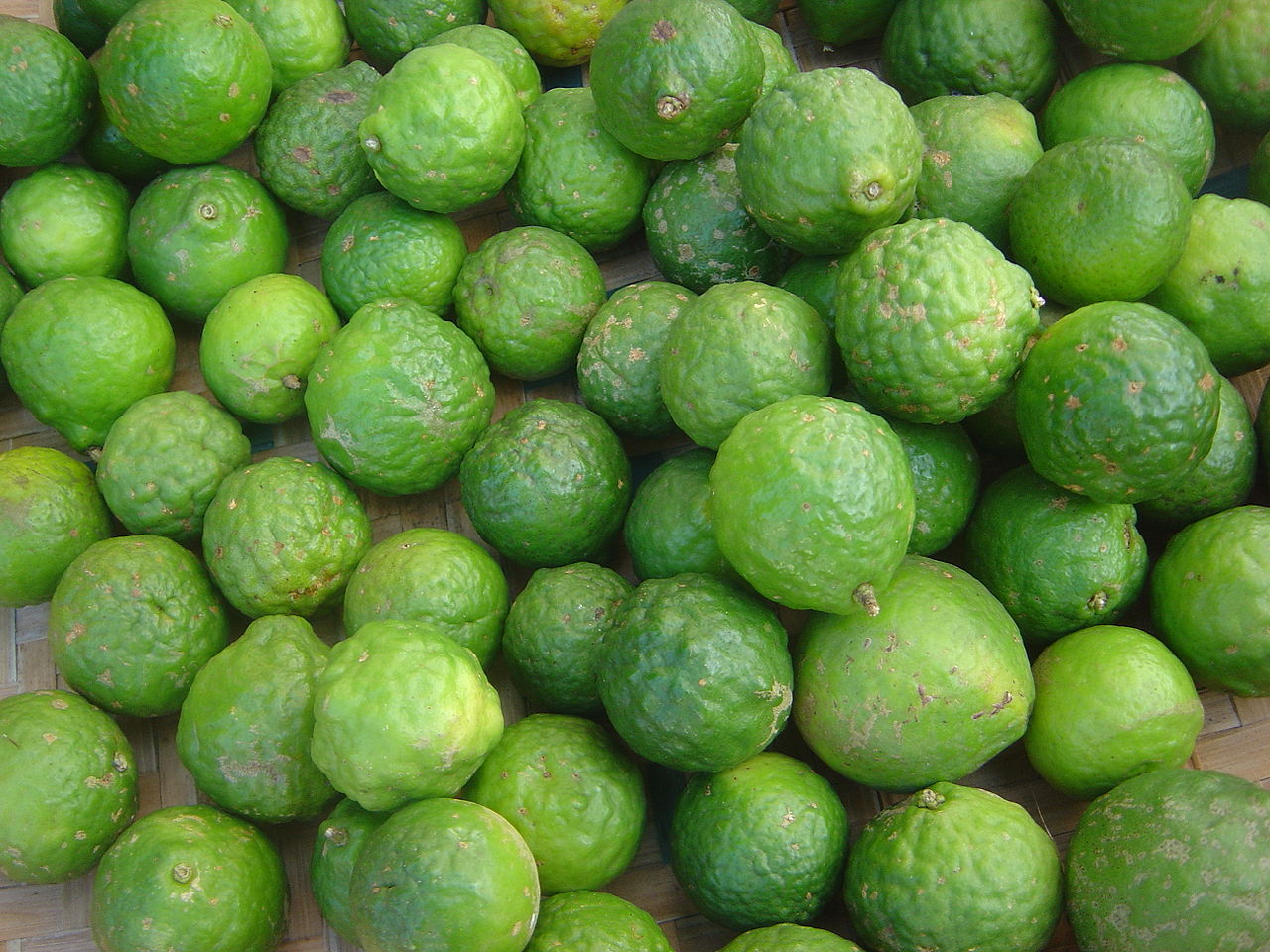


Appearance and botanical characteristics
Kaffir lime produces a thorny shrub or small tree with glossy, double-lobed leaves—each leaf appears as two fused leaflets, a feature that makes it easy to recognise. The fruit is rough, knobbly, and green when immature, with a thin rind containing fragrant oils; the flesh is tart and contains relatively little juice compared with other limes. The tree flowers with small white blossoms that are aromatic and attract pollinators.
History, cultivation and propagation
The plant has been grown for centuries across maritime Southeast Asia and has spread to tropical and subtropical gardens worldwide. It tolerates warm, humid climates and is often propagated from cuttings or grafts to preserve desirable qualities. Cultivation practices are similar to other small citrus: well-drained soil, regular watering, and protection from extreme cold. It is often kept as a potted ornamental where winters are cool.
Uses and culinary importance
The most recognisable use of kaffir lime is its leaves, which contribute bright, citrusy, and floral notes to soups, curries, salads, and marinades across Thai, Lao, Cambodian and Indonesian cuisines. The rind is used sparingly for its aromatic zest in spice pastes and condiments. The fruit itself may be used whole, zested, or in small amounts where its sharp aroma is desired. Many cookbooks and food guides refer to the leaves when describing classic Southeast Asian preparations. Fruit and lime references often clarify the distinction from other citrus.
Non-culinary uses and extracts
Leaves and peels yield a fragrant vegetable oil and essential oil that are used in traditional remedies, cleaning products and the fragrance industry. Extracts obtained from the foliage are employed in perfumery and aromatherapy because of their fresh, citrusy character. Commercial and artisanal perfumers may cite the oil as an accent in blends. See more on leaf oil and uses: leaf oil, perfume applications.
Names, terminology and cultural sensitivity
The common English name "kaffir lime" is widely used but considered offensive in some contexts because the word "kaffir" has derogatory meanings in parts of the world. Alternatives such as "makrut lime" or simply "Thai lime" or "makrut" are increasingly preferred in culinary writing and plant trade. When discussing the tree, many authors use the botanical name Citrus hystrix or the neutral term "makrut lime" to avoid cultural insensitivity.
Notable distinctions
- Leaves: double-lobed and highly aromatic—key identifying feature.
- Fruit: bumpy rind, small juice content, rich in essential oils.
- Uses: primarily aromatic — culinary leaves and perfumery, rather than bulk juice like other limes.
For gardeners and cooks, the plant offers both ornamental appeal and a potent culinary ingredient; for perfumers and artisans it supplies a distinctive citrus note. Whether referenced by local names or scientific terminology, Citrus hystrix remains an important and recognisable member of Southeast Asian botanical and gastronomic traditions.
Questions and answers
Q: What is a Kaffir lime?
A: A Kaffir lime is a citrus fruit native to Indonesia that is grown worldwide for its fruit and leaves.
Q: What are some other names for Kaffir lime?
A: Kaffir lime is also known as kieffer lime, makrut, or magrood.
Q: What is Kaffir lime usually grown for?
A: Kaffir lime is usually grown for its fruit, which is commonly used in cooking.
Q: Can Kaffir lime leaves be used for anything?
A: Yes, Kaffir lime leaves are commonly used for cooking.
Q: What is vegetable oil obtained from Kaffir lime leaves used for?
A: Vegetable oil obtained from Kaffir lime leaves is commonly used to make perfumes.
Q: Is Kaffir lime grown globally?
A: Yes, Kaffir lime is widely grown worldwide as a garden shrub.
Q: Which family does Kaffir lime belong to?
A: Kaffir lime belongs to the Rutaceae family.
Related articles
Author
AlegsaOnline.com Kaffir lime (Citrus hystrix): description, uses, and cultural notes Leandro Alegsa
URL: https://en.alegsaonline.com/art/51872