
Sweater: Types, Materials, History, and Care
A sweater is an upper-body garment, typically knitted or crocheted, used for warmth and style. This article covers materials, common styles (pullover, cardigan, vest), history, care, and cultural notes.
A sweater is a garment worn on the upper body that provides warmth and comfort. Most sweaters are produced by knitting or crocheting and are therefore flexible and insulating. The term covers a wide range of items—from lightweight pullovers for cool evenings to heavy knitwear designed for cold climates. For background on clothing as a category see clothing, and for more on production techniques see knitting and crochet.
Image gallery
8 Images


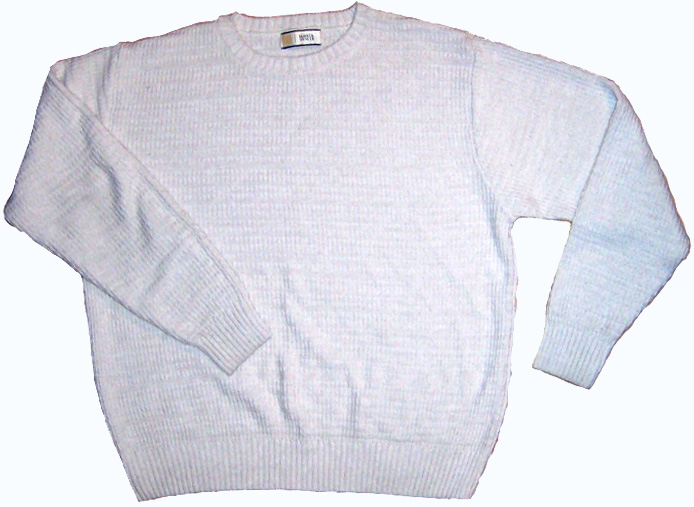


Characteristics and materials
Sweaters differ by fiber, stitch, weight and finish. Common fibers include wool (valued for insulation and moisture control), cotton (breathable for milder weather), and synthetic yarns such as acrylic or polyester which are often chosen for affordability and easy care. Blends combine properties to improve durability or softness. Knitting patterns—such as stockinette, rib, and cable—affect stretch and appearance. Machine-knitting produces uniform, mass-produced garments while hand-knitting allows for customization and traditional techniques. Typical issues include shrinkage, pilling and moth damage, which influence care methods.
Styles and parts
Names and features help identify sweater types. Common varieties include:
- Pullover (also called jumper or jersey): a closed-front style put on over the head.
- Cardigan: a sweater that opens at the front; the name is associated with a 19th-century British earl, often cited in its origin story—see Cardigan.
- Turtleneck and mock neck: collars that cover more of the neck for added warmth.
- Vest or sleeveless sweater: a body-covering knit without sleeves, sometimes called a waistcoat—see sleeveless sweater.
History and cultural role
Knitted garments have been used for centuries in maritime and rural communities for their insulating properties; styles like the gansey and Aran sweater have specific regional origins and distinctive patterns. In modern fashion, sweaters moved from purely functional workwear to versatile wardrobe staples, embraced in sports, academic dress, and high fashion. They often carry cultural or symbolic associations depending on pattern, color or styling.
Care, uses and notable distinctions
Caring for a sweater depends on fiber: many wools require gentle washing and flat drying to preserve shape, while synthetics tolerate machine washing. Storage should protect against pests and distortion. Sweaters are prized for layering and can be styled formally or casually. Terminology varies by region: "sweater," "jumper," and "pullover" are used differently in American and British English. For further reading on techniques or patterns consult sources on clothing care and the production methods referenced at knitting and crochet.
Related articles
Author
AlegsaOnline.com Sweater: Types, Materials, History, and Care Leandro Alegsa
URL: https://en.alegsaonline.com/art/95450