
Kale: characteristics, history, cultivation and culinary uses
Kale is a leafy brassica (Brassica oleracea var. acephala) with green or purple leaves. This hardy, cruciferous vegetable has a long cultivation history and diverse culinary and ornamental uses.
Overview
Kale is a leafy green vegetable in the cabbage group of the mustard family (Brassicaceae). Often described as Brassica oleracea var. acephala, kale is distinguished from headed cabbages by its loose, non‑terminal leaves. It appears in colors from pale green to deep blue‑green and purple, and is valued both as a food crop and an ornamental plant. The term "cruciferous" refers to the family’s characteristic four‑petaled flowers that resemble a cross.
Image gallery
10 Images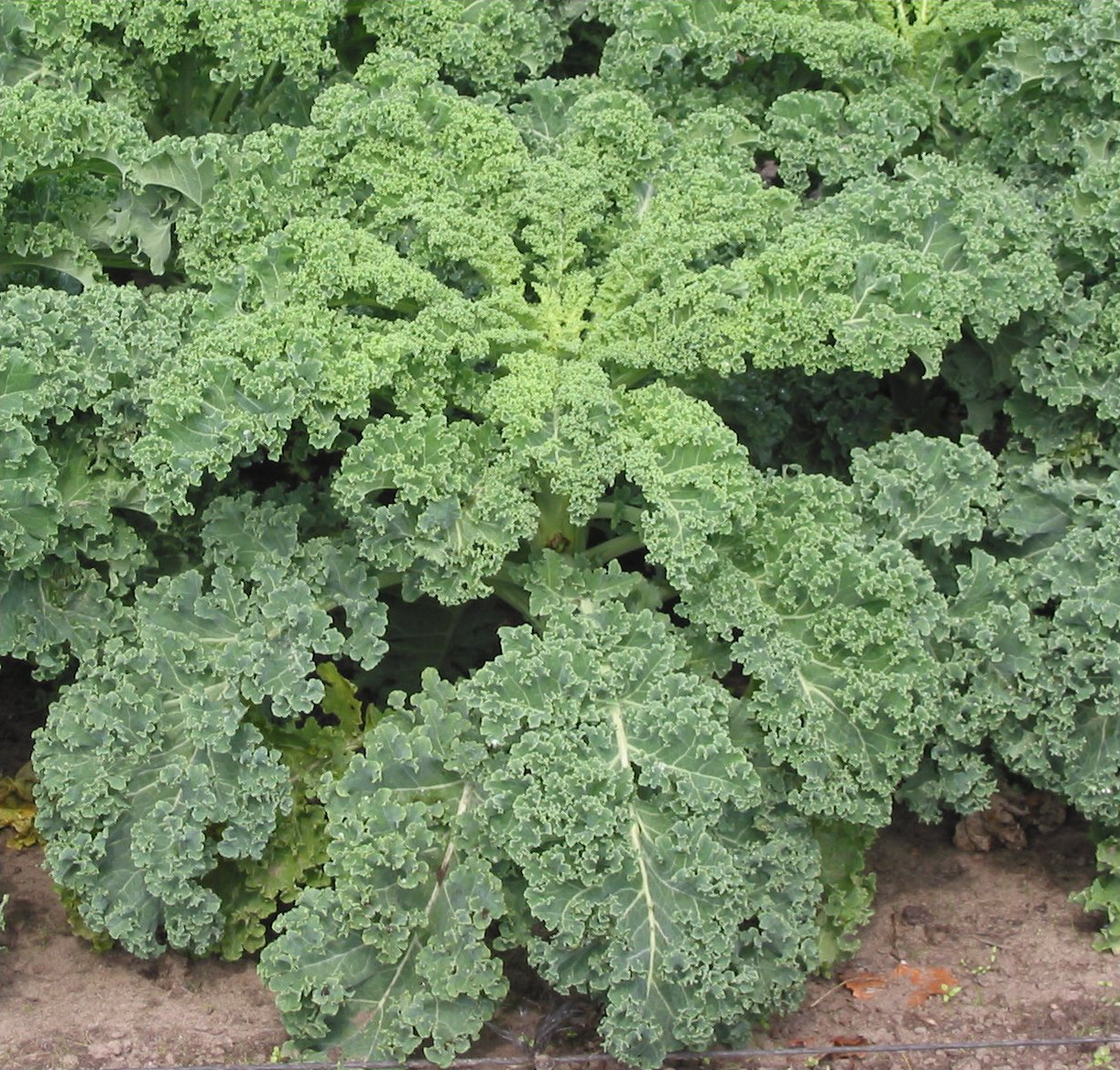


Description and common varieties
Kale plants produce a central stem topped by large, often textured leaves that may be flat, savoyed, or highly curled. Leaves range in size and toughness; some types have broad, straplike leaves while others are ruffled and frilly. Well known forms include:
- Curly kale – the classic ruffled, tightly curled leaves often found in markets.
- Lacinato (Tuscan or "dinosaur") kale – elongated, heavily blistered leaves and a darker color.
- Red Russian and other loose‑leaf types – typically more tender with red‑tinted veins.
- Siberian and ornamental varieties – valued for cold hardiness or garden appearance.
History and development
Kale descended from wild cabbage and was likely first cultivated in the eastern Mediterranean and Atlantic coastal regions. It was an important vegetable in Roman agriculture and later became a staple for many European peasant diets in the Middle Ages. English settlers helped introduce several brassicas to North America in the 17th century. Over time breeders selected both culinary and decorative cultivars, producing the range of forms grown today.
Culinary uses and nutrition
Kale is eaten raw or cooked and appears in salads, sautés, soups and blended drinks. Popular preparations include massaged raw kale for salads, quick wilts or braises, and crisp baked "kale chips." Some regional dishes, such as the Portuguese soup caldo verde, highlight thinly sliced kale. Nutritionally, kale is noted for its leafy fiber and a dense complement of vitamins and phytonutrients, which is why it often features in lists of nutrient‑rich vegetables. Cooking or blanching can reduce bitterness and decrease levels of certain compounds such as oxalates.
Growing, hardiness and handling
Kale is valued by gardeners for its relative cold tolerance and ability to produce through autumn and mild winter conditions; frosts can even improve its flavor by concentrating sugars. It prefers cool, moist climates and can be grown in many temperate zones. Plants may require staking or pruning of coarse stems before cooking, and many recipes recommend removing tough ribs for improved texture. Like other brassicas, kale can be susceptible to pests such as cabbageworms and aphids, and benefits from crop rotation and basic garden hygiene.
Notable facts and distinctions
Kale’s role has shifted in recent decades as it was popularized in health and culinary trends; it also remains an everyday vegetable in many cuisines. The botanical epithet acephala literally means "without a head," emphasizing its loose‑leaf form. For further botanical context see Brassica oleracea, for general information on kale varieties consult kale resources, and for historical discussion about medieval vegetable use see medieval diet studies.
Questions and answers
Q: What is kale?
A: Kale is a vegetable with green or purple leaves that belongs to the group of vegetables called Brassica oleracea or wild cabbage.
Q: Why is kale called cruciferous?
A: Kale is called cruciferous because of the shape of its flowers.
Q: Where was kale first cultivated?
A: Kale was first cultivated in the Mediterranean area.
Q: When did kale become a basic staple for peasants?
A: Kale became a basic staple for peasants in the Middle Ages.
Q: Who brought kale to the United States?
A: Kale was brought to the United States by the English in the XVII century.
Q: Where is kale a very appreciated winter vegetable?
A: Kale is a very appreciated winter vegetable especially in Scotland, Germany, Holland and Scandinavia.
Q: Is there an ornamental variety of kale?
A: Yes, there is an ornamental variety of kale that has been developed.
Related articles
Author
AlegsaOnline.com Kale: characteristics, history, cultivation and culinary uses Leandro Alegsa
URL: https://en.alegsaonline.com/art/51957
Sources
- whfoods.com : whfoods.com