
Jutes — Early Germanic people from Jutland and settlers in Britain
Overview of the Jutes: origins in Jutland, migration to Britain in the early medieval period, settlements in Kent and the Isle of Wight, archaeological evidence and historical legacy.
Overview
The Jutes were a Germanic people traditionally associated with the peninsula of Jutland. Contemporary medieval writers describe them among the groups who crossed the North Sea during the collapse of Roman Britain and established new polities in the islands that became England. Their presence is most often linked to particular areas of southeastern Britain where they left linguistic and place-name traces.
Image gallery
10 Images



Origins and migration
Most scholars place the Jutes' point of origin in the region of Jutland (Jutland), part of modern Denmark and extending toward what is now northern Germany and coastal Frisian lands (Frisia). In the turbulent centuries after the Roman withdrawal, groups identified as Jutes, together with Angles and Saxons, are said to have crossed the North Sea to raid and then settle in parts of Great Britain. These movements are generally dated to the 5th and 6th centuries AD.
Settlement and society in Britain
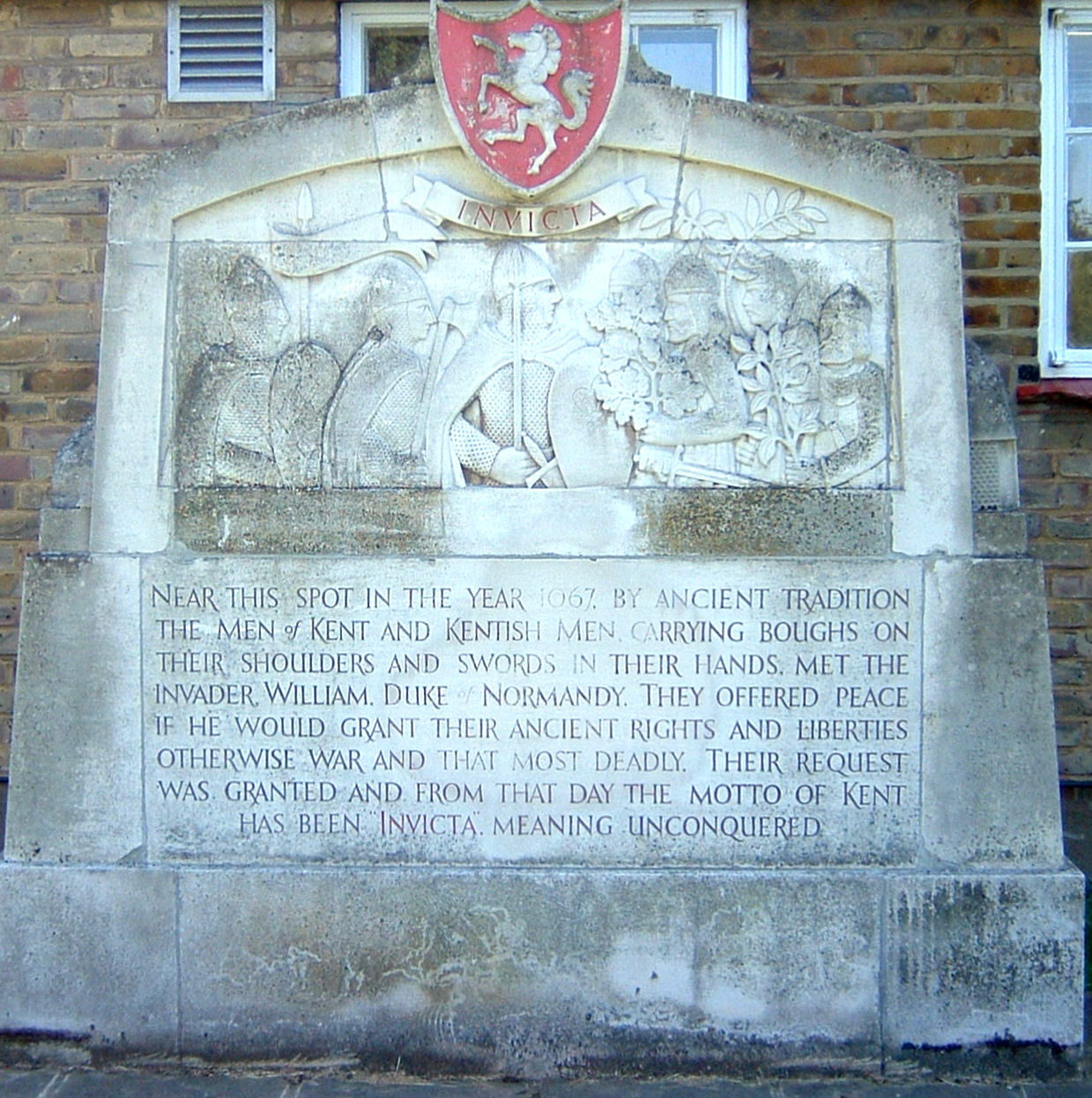
Medieval sources and later tradition associate the Jutes particularly with the counties of Kent and the Isle of Wight. There they established small kingdoms or ruled as part of mixed Anglo-Saxon polities that later contributed to the formation of England. Jutish settlers appear to have been farmers, seafarers and local leaders whose language and customs blended with those of Angles and Saxons.
Characteristics and evidence
- Primary literary mentions come from early medieval writers who list the Jutes among the Germanic peoples (Germanic tribes) involved in the migrations and invasions (invasions) of Britain.
- Archaeology supplies material culture—burial styles, pottery and metalwork—that suggests connections between Jutland and southeast Britain, though attribution to a single ethnic label is debated.
History, sources and uncertainties
Accounts by early historians provide the basic narrative but leave many open questions. The scale, timing and composition of the migrations are matters of ongoing research: some evidence points to small-scale elite movement and cultural assimilation rather than wholesale population replacement. Scholars therefore treat the label "Jutes" as a useful but sometimes imprecise marker for one component of the wider Anglo-Saxon settlement process.
Legacy and notable distinctions
The Jutes' main legacy lies in regional identities, place-names and legal traditions in southeastern Britain and the Isle of Wight. Distinguishing them from the better-known Angles and Saxons is partly a product of early textual traditions; in practice, intermarriage and political change quickly blended these groups. Modern interest in the Jutes draws on comparative linguistics, archaeology and historical texts to reconstruct how early medieval migration shaped later England.
For more detailed introductions and source summaries see works that treat migration-era Britain and continental Germanic homelands, and consult archaeological syntheses for the latest findings (see Jutland, Denmark, Frisia and accounts of the Angles and Saxons).
Related articles
Author
AlegsaOnline.com Jutes — Early Germanic people from Jutland and settlers in Britain Leandro Alegsa
URL: https://en.alegsaonline.com/art/51785