
Hemp: cultivation, uses, history, and distinguishing features
Hemp is the non-intoxicating form of Cannabis cultivated for its fibers, seeds, and versatile industrial uses. This article reviews its biology, cultivation, history, products, and legal distinctions.
Overview
Hemp refers to varieties of Cannabis grown primarily for their fiber, seed, or oil rather than for recreational drug use. It is closely related to the plants discussed under Cannabis, but is generally bred and regulated to contain only trace amounts of the psychoactive compound tetrahydrocannabinol (THC). Hemp has long been cultivated for textiles, cordage and other materials; it is distinct from cannabis used as a drug, which is covered separately under Cannabis (drug).
Image gallery
10 Images





Characteristics and plant parts
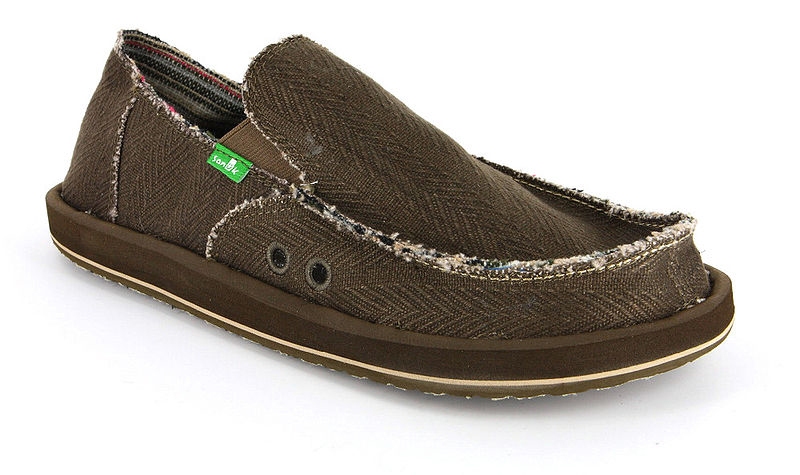
Hemp plants are typically tall and slender with fibrous stalks and a fibrous inner bark that yields long, strong fibers. The crop also produces seeds that are rich in oil and protein. Key components used commercially include bast fibers (for textiles and composites), hurd or shives (the woody core used in construction and animal bedding), and seeds (used for food and oil).
Cultivation and processing
Hemp is grown on a range of soils and climates and is valued for rapid growth and high biomass production. Cultivation practices vary by end use: fiber hemp is sown densely to encourage long stalks, while seed hemp is spaced more widely. After harvest, fibers are separated by retting (a controlled microbial or chemical process that loosens fibers), decortication, and mechanical processing to produce yarn, matting, or composite feedstock.
History and legal context
Hemp has been used by human societies for millennia for rope, cloth and paper. Industrial and agricultural preferences shifted over the 20th century with changes in law and the rise of synthetic fibers. In modern times many countries have revised regulations to permit cultivation of low‑THC hemp for industrial and commercial uses; specific legal thresholds and licensing rules differ widely by jurisdiction.
Uses and examples
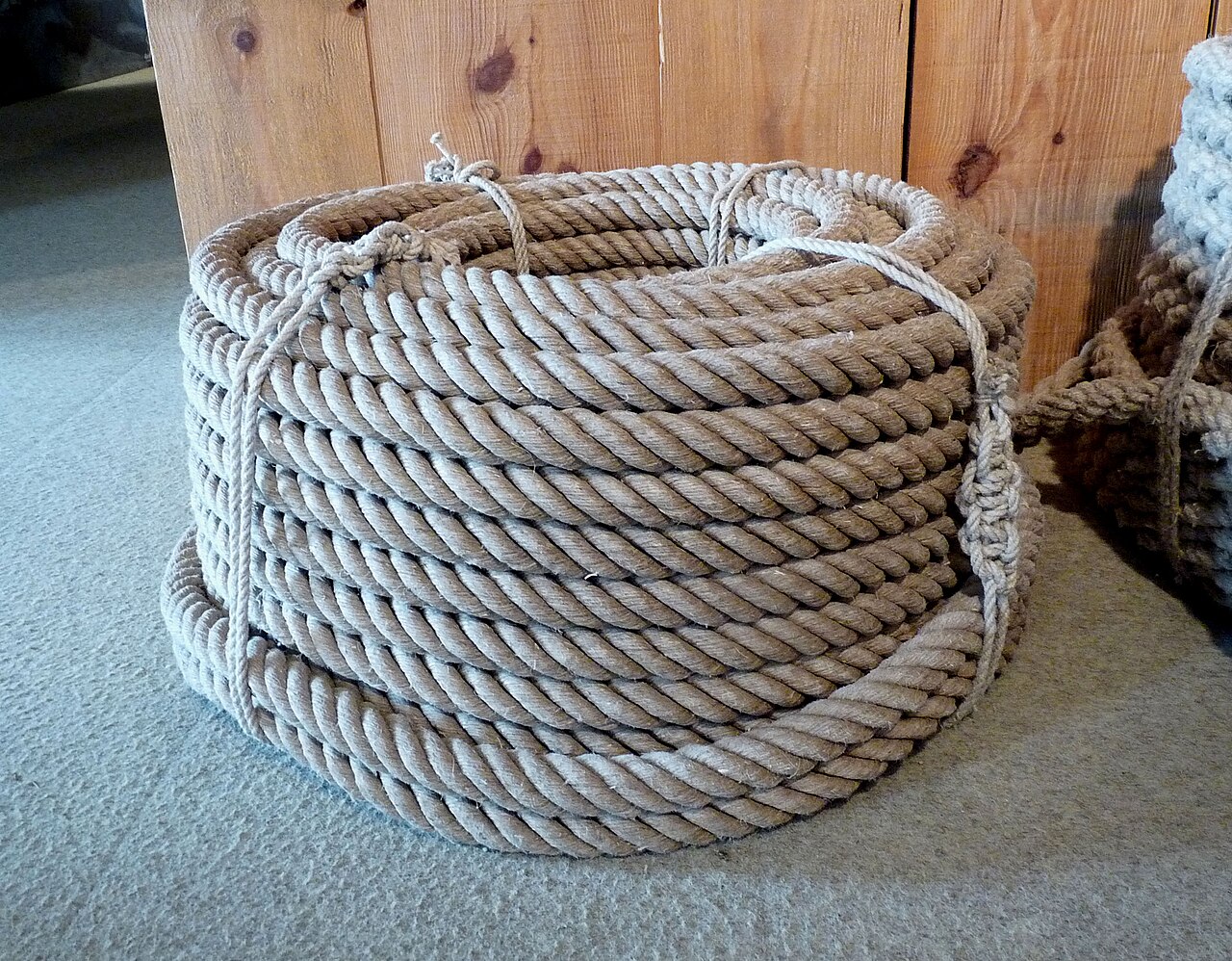
- Textiles and ropes: traditional uses for strong bast fibers, including rope and cordage.
- Food and nutrition: hulled seeds, oils and protein powders from hemp seed.
- Building materials: hempcrete, insulation and fiberboard from hurd and fibers.
- Industrial products: paper, bioplastics, composites and animal bedding.
- Phytoremediation and crop rotation: used to recover soils and improve farm rotations.
Distinctions and notable facts
Hemp is commonly defined in law by its low THC content rather than strict botanical criteria; some authorities treat it as Cannabis sativa subsp. sativa, while others use cultivar-based definitions. Products derived from hemp can include non-intoxicating cannabidiol (CBD), industrial materials and foodstuffs, but regulations and allowable claims vary. Its reputation as a sustainable crop stems from fast growth and modest pesticide needs, though environmental impacts depend on farming practices and local conditions.
For more on the plant's biology and the separate topic of cannabis used as a drug, see the linked entries above.
Related articles
Author
AlegsaOnline.com Hemp: cultivation, uses, history, and distinguishing features Leandro Alegsa
URL: https://en.alegsaonline.com/art/43467
Sources
- hempto.ca : "Information paper on industrial hemp (industrial cannabis)"
- thehia.org : "HIA: Resources: Education: FAQs & Facts: Facts"
- thehia.org : "HIA: Resources: Education: FAQs & Facts: FAQs: Answers"