
Espadrille: History, Design, and Varieties
Lightweight shoes with a rope sole and fabric upper, espadrilles are traditional summer footwear from the Pyrenees now made in many styles worldwide. Overview, materials, history, production, variants and care.
Espadrilles are lightweight casual shoes recognized by their braided-fiber soles and soft fabric uppers. Historically simple peasant footwear, they have become a broad category encompassing flat slip-ons, ankle-tie flats, platform wedges, and high-heeled sandals. The classic construction pairs a woven jute midsole with a thin layer of rubber on the undersurface and an upper of canvas or cotton, producing a breathable, flexible shoe favored for warm-weather wear. For a general reference, see espadrilles.
Image gallery
8 Images




Materials and construction
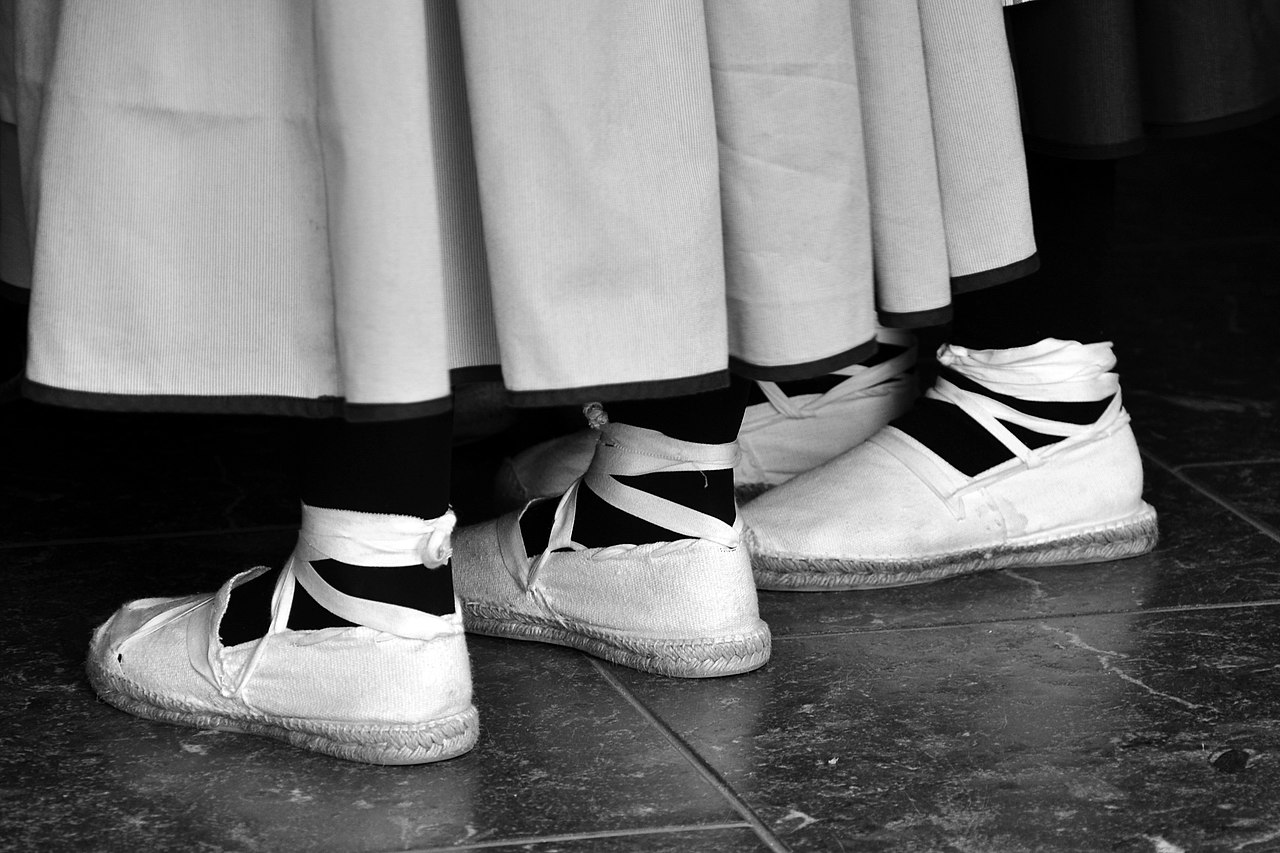
The most distinguishing element is the sole. Traditional soles are made from jute, a natural bast fiber twisted into rope and stitched to form the footbed. A thin layer of vulcanized rubber or another protective material is often attached underneath to improve durability and grip. Uppers are commonly canvas or plain-woven cotton—see fabric examples at canvas and cotton—but contemporary models also use leather, suede, and synthetic textiles.
Origins and historical development
Espadrilles originate from the Pyrenean region between Spain and France, where simple woven-soled shoes have been worn for centuries. The name derives from a Spanish word linked to the plant used in earlier bindings. Over time the shoe moved from rural use into urban fashion: 20th-century designers adapted the basic form into decorative and elevated styles, and the silhouette gradually spread across Europe and to other continents.
Manufacture and geography
Traditional production remains associated with Spanish craft centers, but industrial manufacturing has expanded globally. Contemporary factories and workshops producing espadrilles operate in countries such as Spain and Bangladesh, among others. Small artisanal makers continue to hand-stitch jute soles, while larger manufacturers use machine processes to assemble varied upper materials and add rubber outsoles.
Styles, uses, and notable variants
- Flat espadrilles: classic slip-on or closed-back styles for everyday wear.
- Ankle-tie espadrilles: canvas uppers with ribbons or laces that wrap around the ankle.
- Wedge espadrilles: jute-wrapped platform or wedge heels that retain the braided sole aesthetic.
- Open-toe and sandal forms: combine espadrille soles with strappy uppers for summer dressing.
They are popular as seasonal footwear because of their comfort and breathability, used for casual outfits, beachwear, and some dressier summer ensembles.
Care, sustainability, and distinctions
Espadrilles require careful maintenance: avoid soaking the jute sole, dry naturally away from direct heat, brush or spot-clean uppers, and store in a dry place to prevent mildew. Sustainability considerations often focus on the natural jute sole and cotton uppers, though added rubber or synthetic linings reduce full biodegradability. When comparing styles, note that hand-sewn, regional espadrilles differ in technique and longevity from mass-produced versions.
For further reading about materials, manufacturing, and regional practices see resources on raw fibres and footwear production: fabric basics, jute uses, and industry overviews at rubber processing and national production links Bangladesh and Spain.
Related articles
Author
AlegsaOnline.com Espadrille: History, Design, and Varieties Leandro Alegsa
URL: https://en.alegsaonline.com/art/32191