
Arab–Israeli conflict: origins, major events, and contemporary overview
A concise, neutral overview of the Arab–Israeli conflict: its origins in the early 20th century, major wars and political developments, and its transition toward an Israeli–Palestinian focus.
Overview
The term Arab–Israeli conflict describes longstanding political tensions and periodic military hostilities between the State of Israel and a variety of Arab states and actors across the Middle East and North Africa. Although episodes of violence and diplomacy predate the mid-20th century, the modern phase of the dispute began in the years surrounding Israel's establishment and continues to shape regional politics and international relations.
Image gallery
7 Images




Origins and early developments
Roots of the conflict lie in competing national movements and population shifts during the decline of the Ottoman Empire. In the early 20th century, the growth of the Zionist movement seeking a Jewish homeland met rising Arab nationalism and local resistance. The collapse of the Ottoman Empire and the administration of British Mandatory Palestine created new administrative boundaries and political expectations. For many Jewish people the area represented the historic Land of Israel, while Arab inhabitants increasingly identified as the Palestinian people and considered the same territory as Palestine. These overlapping national claims set the stage for communal tensions, displacement, and contested sovereignty.
Major wars and turning points
The first large-scale conflict accompanied the proclamation of Israel in 1948 and the subsequent war with neighboring Arab states. The aftermath saw the creation of new political arrangements and population movements. During and after the 1948 war, proposals and brief administrations such as the All-Palestine Government in the Gaza Strip—endorsed by the Arab League and later absorbed into broader regional politics—illustrate early attempts to address Palestinian statehood while Egypt and other capitals, including Cairo, exerted control over outcomes. Egyptian leader Gamal Abdel Nasser became a dominant regional figure in the 1950s and 1960s, shaping Arab responses to Israel.
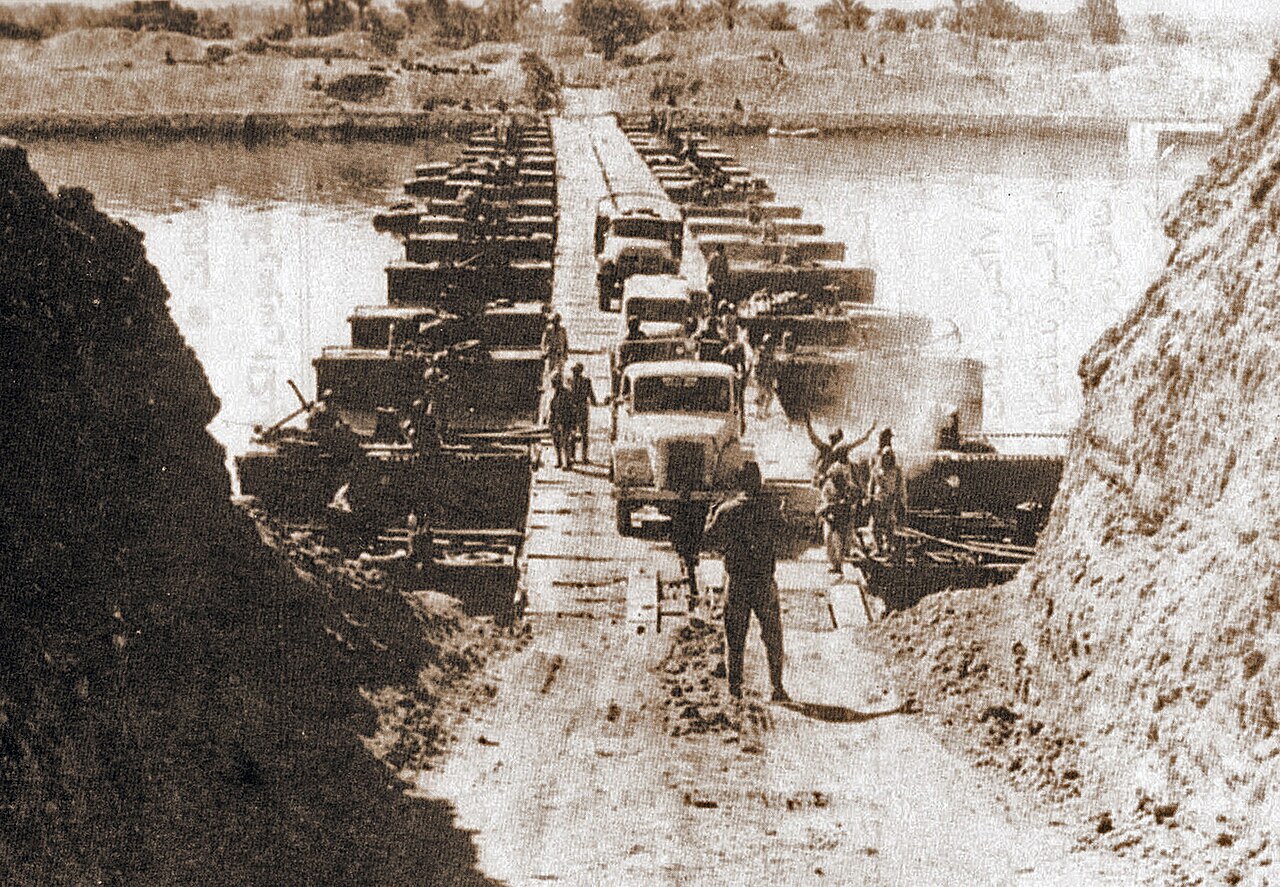
Key conflicts in subsequent decades included the 1956 Suez crisis, the 1967 Six-Day War in which Israel captured the West Bank, East Jerusalem, the Sinai Peninsula, the Golan Heights and the Gaza Strip, and the 1973 Yom Kippur War. Between those wars, clashes such as the War of Attrition reflected a prolonged contest rather than decisive resolution. In the 1960s Palestinian political organization coalesced with the emergence of the PLO under leaders like Yasser Arafat, which shifted the conflict’s dynamics toward Palestinian national aspirations and guerilla-style campaigns as well as diplomacy.
Political evolution, humanitarian impact, and contemporary dynamics
Over time the broad Arab–Israeli confrontation fragmented. Treaties between Israel and some Arab states—most notably peace agreements with Egypt and later with Jordan—reduced the frequency of interstate war, while the contest increasingly centered on the Israeli–Palestinian dimension: control of territory, the status of Jerusalem, the rights of refugees, security, and mutual recognition. The human cost has been substantial: repeated cycles of displacement, casualties, restrictions on movement, and economic disruption have affected civilians on all sides.
Characteristics, disputes, and international role
The conflict combines territorial disputes, national self-determination claims, religious and cultural significance, and strategic concerns. Negotiations have alternated with violence; international actors and organizations have often mediated or influenced outcomes. Debates persist over borders, settlements, sovereignty, security arrangements, and laws of occupation. While some Arab states now maintain formal relations with Israel, unresolved issues involving Palestinians and regional grievances keep the topic a central and sensitive element of Middle Eastern affairs.
Further reading and reference links
- Overview of political tensions
- Regional context: Middle East
- North Africa and the conflict
- The State of Israel
- Zionism and its history
- Ottoman period and legacy
- Historical ties to the land
- Palestinian people and identity
- The concept of Palestine
- Creation of the modern state
- Gaza Strip history
- Arab League positions
- Cairo as a regional capital
- Gamal Abdel Nasser and Arab nationalism
- Yasser Arafat and the PLO
- Six-Day War (1967)
- Sinai Peninsula
- Golan Heights
- War of Attrition
- Yom Kippur War (1973)
This article summarizes broad themes and well-known events; readers seeking detailed chronologies, primary documents, or differing interpretations should consult specialized historical studies and primary sources for fuller perspective.
Related articles
Author
AlegsaOnline.com Arab–Israeli conflict: origins, major events, and contemporary overview Leandro Alegsa
URL: https://en.alegsaonline.com/art/5116