
Six-Day War (June 1967): overview, causes, and consequences
A concise account of the Six-Day War (5–10 June 1967): origins, principal events, territorial changes and longer-term political effects in the Middle East.
Overview
The Six-Day War was a short, intense conflict fought from 5 to 10 June 1967 between Israel and a coalition of neighboring Arab states led by Egypt, Jordan and Syria. The fighting produced a rapid and decisive military outcome and resulted in significant changes to borders and political dynamics across the region.
Image gallery
10 Images


Causes and lead-up
Tensions had been rising for months because of mutual hostility, military buildups, and political mobilization. Key immediate factors included troop deployments in border areas, closure of sea routes to Israeli ships, and the withdrawal of international peacekeeping forces from parts of the Sinai. These developments, combined with regional alliances and rhetoric, created a crisis atmosphere that preceded open hostilities.
Course of the fighting
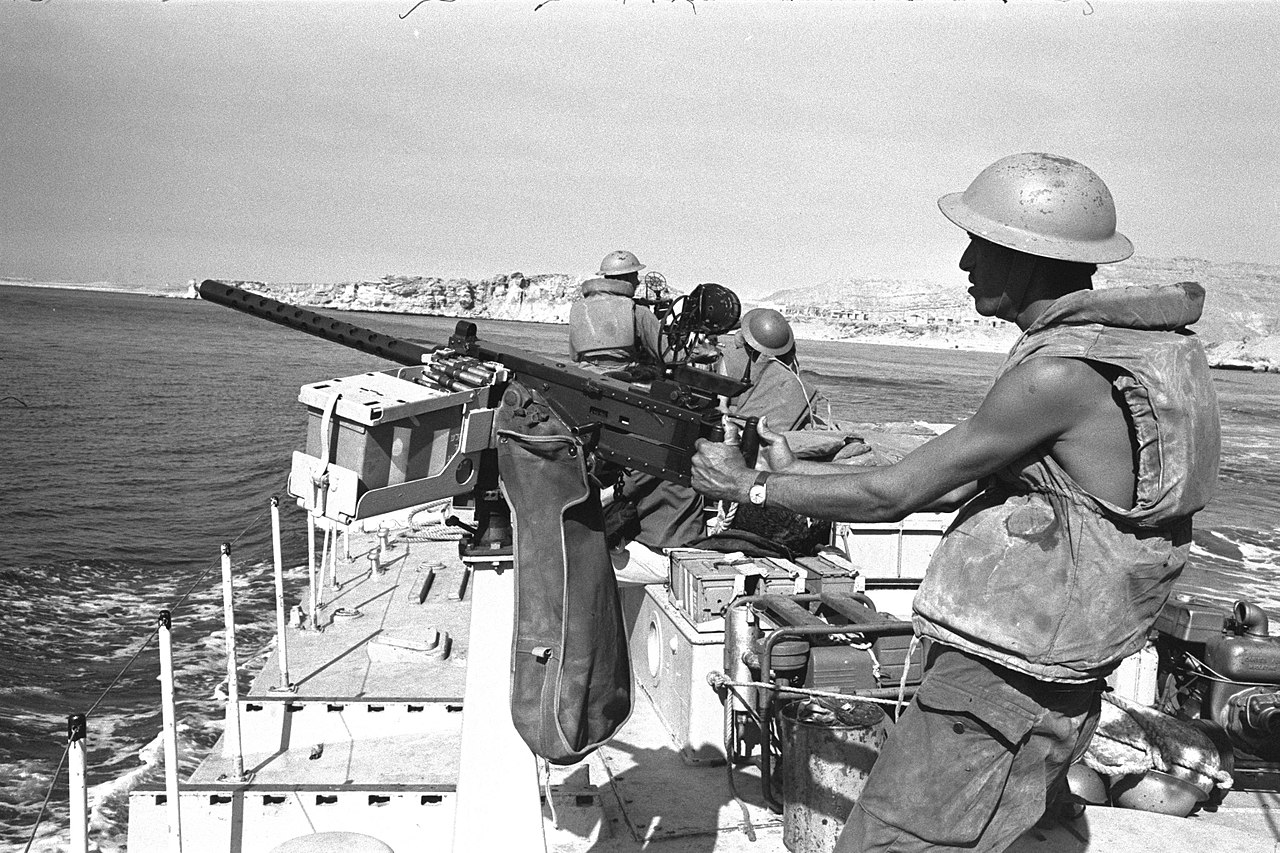
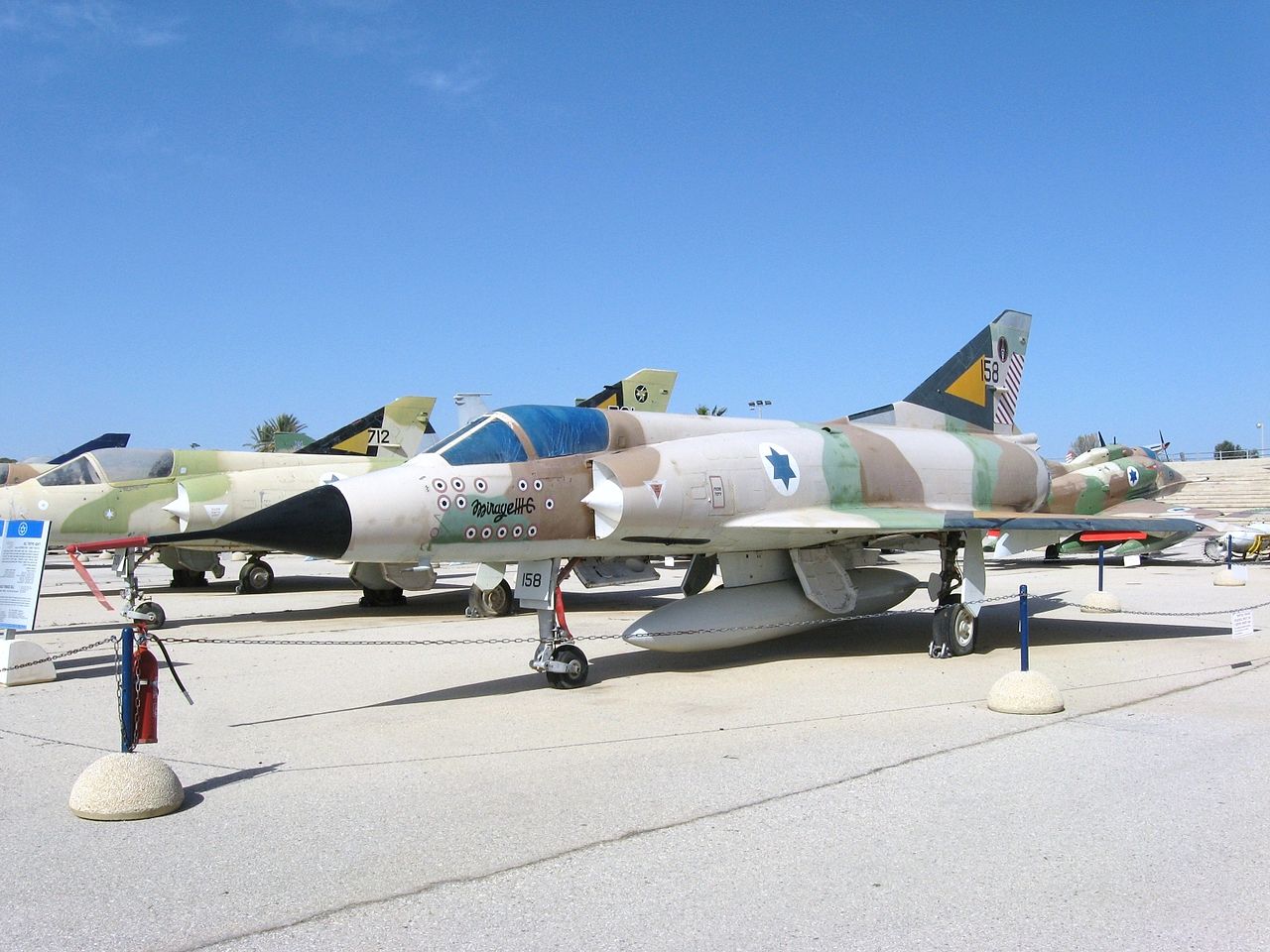
The war unfolded over six days with rapid operations on multiple fronts. Air strikes and ground offensives produced swift movements of forces and changes in control of territory. Combat involved conventional armies, air forces and artillery, and featured coordinated combined-arms tactics on the Israeli side and defensive maneuvers by opposing forces.
Territorial changes and immediate consequences
- Israel took control of the Sinai Peninsula and Gaza Strip in the south.
- East Jerusalem and the West Bank came under Israeli control in the center.
- The Golan Heights were occupied after fighting with Syrian forces in the north.
These territorial gains altered the map and created new political and humanitarian challenges, including the displacement of civilian populations and disputes over control of holy sites.
Aftermath, diplomacy and legacy
The war prompted international diplomatic activity, ceasefire arrangements and later negotiations aimed at addressing territory and security. Its outcome reshaped regional power balances, influenced subsequent diplomacy and armed conflicts, and remains central to discussions about borders, security, and peace processes in the Middle East. For further reading and primary sources, see links associated with the event and principal parties above.
Notable facts: the conflict's short duration belies its long-term impact; its results influenced decades of policy, negotiations and international resolutions concerning the region.
Related articles
Author
AlegsaOnline.com Six-Day War (June 1967): overview, causes, and consequences Leandro Alegsa
URL: https://en.alegsaonline.com/art/90823