
Arab League: regional organization of Arab states
The Arab League is a regional organization of Arab states in North Africa and Southwest Asia that promotes political coordination, economic cooperation, cultural ties and collective diplomacy among member countries.
The Arab League is a regional organization that brings together countries commonly identified with the Arab world. It provides a forum for political consultation, coordination of policy, and collaborative projects in areas such as economics, culture, and education. The League seeks to foster unity among its members while respecting their national sovereignty, and it acts as a collective voice on matters affecting the region.
Image gallery
8 Images




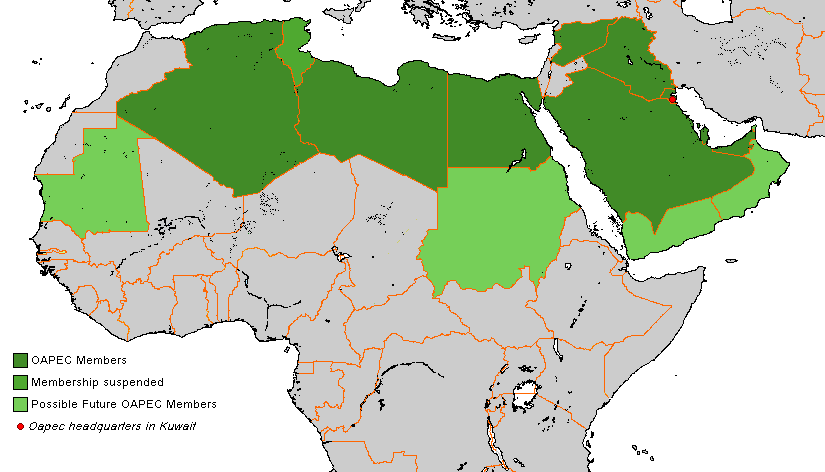

Structure and membership
Membership is composed of states located across North Africa and Southwest Asia; the grouping spans countries in both North Africa and Southwest Asia. Most member states recognize Arabic as an official language, but several have multiple official languages or additional lingua francas in daily use. The League operates through a permanent Secretariat and several organs, including a council of representatives from member states and specialized committees that address economic, social, cultural and security issues.
Functions and institutions
- Consultation and diplomacy: members use the League to coordinate positions and present common stances in regional and international fora.
- Economic and social cooperation: bodies within the League promote trade initiatives, development programs and cultural exchanges.
- Conflict mediation: the League has engaged in diplomatic efforts to mediate disputes among members and to support peace processes.
- Specialized agencies: separate committees and agencies address education, health, communications and other public-policy areas.
Language and identity play a role in the League’s character: while Arabic is central to its cultural mission and communication, some members maintain other languages alongside Arabic in official or everyday use. For reference, the League’s work frequently recognizes the importance of the Arabic language and its role in education and cultural programs, and sometimes documents national language arrangements through links such as official language statements.
History, role and limitations
Formed in the mid-20th century, the League arose as newly independent states sought cooperation and mutual support. Over time it has hosted summit meetings, issued collective statements, and sponsored initiatives to improve regional infrastructure and institutions. However, the League’s ability to enforce decisions is limited because it depends on consensus and voluntary compliance by sovereign members. This dependence on unanimity can constrain rapid or forceful responses to crises.
Despite these limitations, the Arab League remains an important diplomatic and cultural institution in the region. It provides a regular mechanism for dialogue, a platform for developing cooperative programs, and a symbolic expression of Arab solidarity. Contemporary debates about reform, efficiency and the scope of regional integration continue to shape how the League functions and how it is perceived by members and external partners.
Related articles
Author
AlegsaOnline.com Arab League: regional organization of Arab states Leandro Alegsa
URL: https://en.alegsaonline.com/art/5118
Sources
- menafn.com : "Qatar, UAE, wealthiest Arab states"