
Land of Israel
Region in the southern Levant known by several historical and religious names. Central to Jewish, Christian and Muslim traditions and various political narratives from antiquity to the present.
Overview
The Land of Israel is a historical and religious name for a territory in the southern Levant. In Hebrew it is commonly called אֶרֶץ יִשְׂרָאֵל (Eretz Yisrael) and in Arabic as أرض إسرائيل. The phrase appears in classical religious texts such as the Torah and the Bible, and the area is often referred to in broader literature as part of the region known to modern readers as the Middle East. The name carries geographic, cultural and spiritual meanings that vary by context.
Image gallery
8 Images




Geography and characteristics
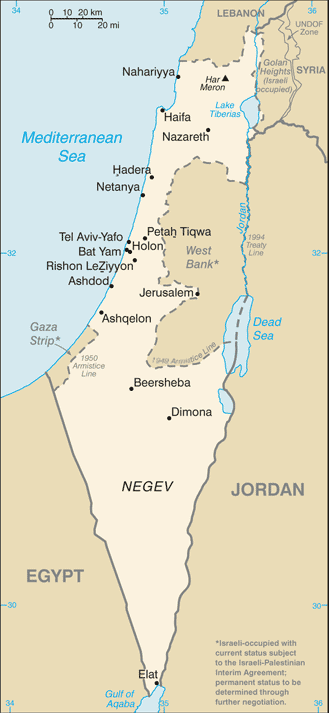
Geographically the term denotes the southern portion of the Levant, a landscape that includes Mediterranean coastline, inland hill country, the Jordan Rift Valley and arid southern plains. Climatic zones range from temperate coastal areas to semi-arid and desert regions. The exact borders associated with the name have changed through time and depend on religious, historical or political definitions rather than a single fixed line on a map.
Historical development
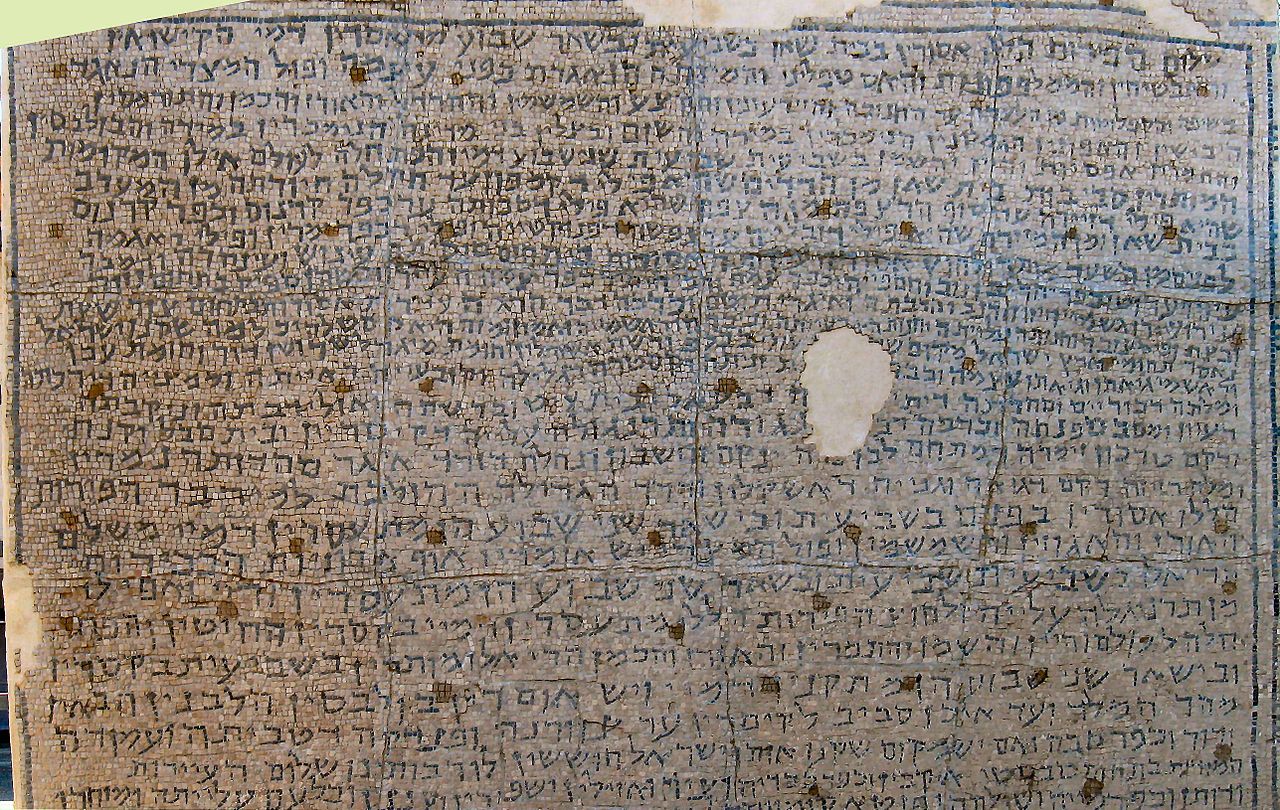
In ancient times the same territory was called Canaan, inhabited by peoples often grouped as Canaanites. Later traditions describe the emergence of Israelite polities and kingdoms in the hill country. Over centuries the area experienced successive dominations and reconfigurations under empires and local powers. Manuscripts and chronicles from the Roman, Byzantine, Islamic, Ottoman and modern eras record different administrative names and boundaries; in some periods the term now translated as Palestine also appears in external sources and inscriptions.
Cultural and religious significance
The Land of Israel is central to Jewish theology as the ancestral and covenantal homeland, and it figures prominently in Christian scripture and history as the setting of events in the life of Jesus. It also has importance in Islamic tradition and is home to sites revered by multiple faiths. Because of this layered sacred geography it has long been a focus of pilgrimage, scholarship and religious law.
Modern usages and names
Today the phrase is used in different ways: as a religious designation, a historical descriptor and a political term. It overlaps with other names such as Palestine, the Holy Land and earlier terms like Canaan. Usage often signals particular perspectives—religious, national or academic—so discussions about the area's history and status typically distinguish between scholarly descriptions, confessional traditions and contemporary political claims.
Common names and references
- Hebrew: אֶרֶץ יִשְׂרָאֵל (Eretz Yisrael)
- Arabic: أرض إسرائيل
- Canaan
- Palestine
- Holy Land
- References in the Torah
- References in the Bible
- Context within the Middle East
- Regional overview
- Early inhabitants: Canaanites
The Land of Israel therefore functions as a historical-geographic concept and as a living element in religious identity and political discourse. Its boundaries and meanings continue to be discussed by historians, theologians and policymakers.
Related articles
Author
AlegsaOnline.com Land of Israel Leandro Alegsa
URL: https://en.alegsaonline.com/art/55788