
Gamal Abdel Nasser: Egyptian president and leader of Arab nationalism
Egyptian army officer and statesman who led the 1952 revolution, served as president from 1956–1970, nationalized the Suez Canal, promoted social reform, pan‑Arabism and the Non‑Aligned Movement.
Overview
Gamal Abdel Nasser Hussein (15 January 1918 – 28 September 1970) was a central figure in modern Arab politics. As an army officer-turned-statesman he helped end the royal system in Egypt and Sudan and guided a period of sweeping political and social change. He is widely remembered for his advocacy of Arab unity and independence from colonial influence, and for policies that reshaped the Egyptian state and economy.
Image gallery
10 Images


Early life and the 1952 revolution
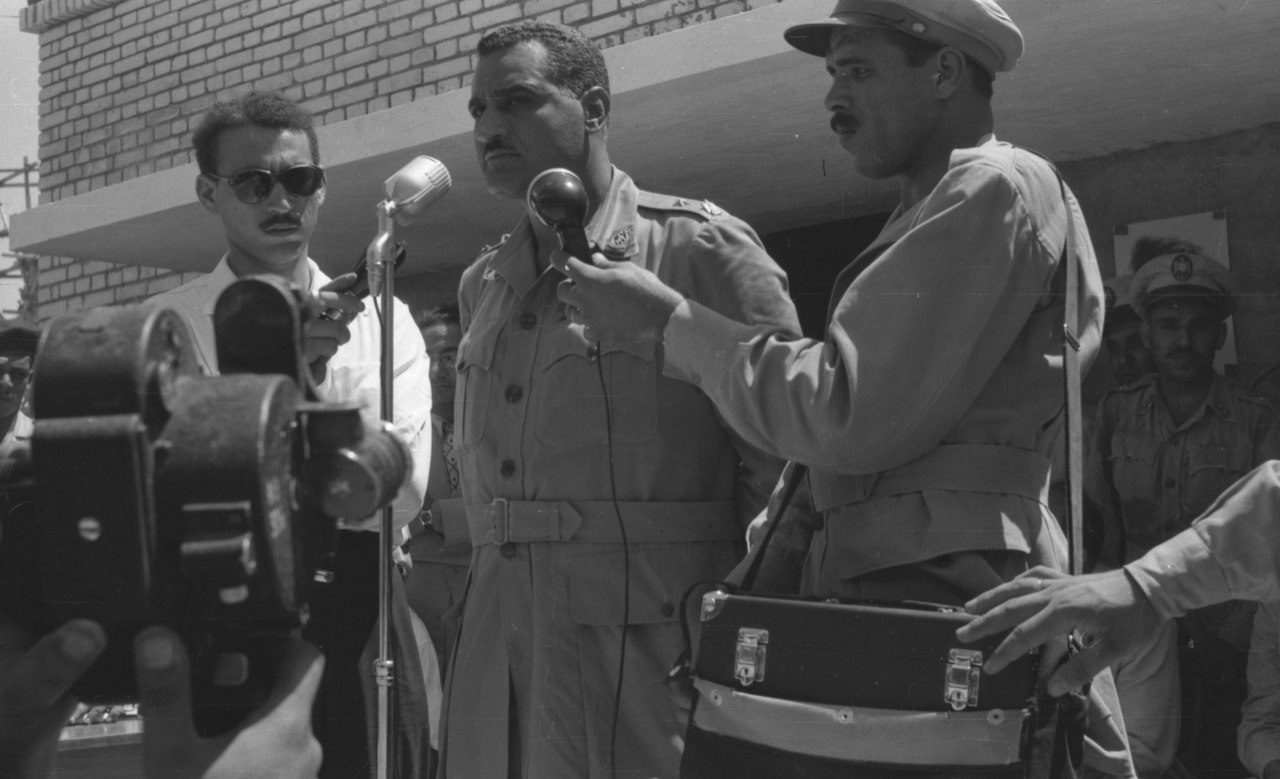
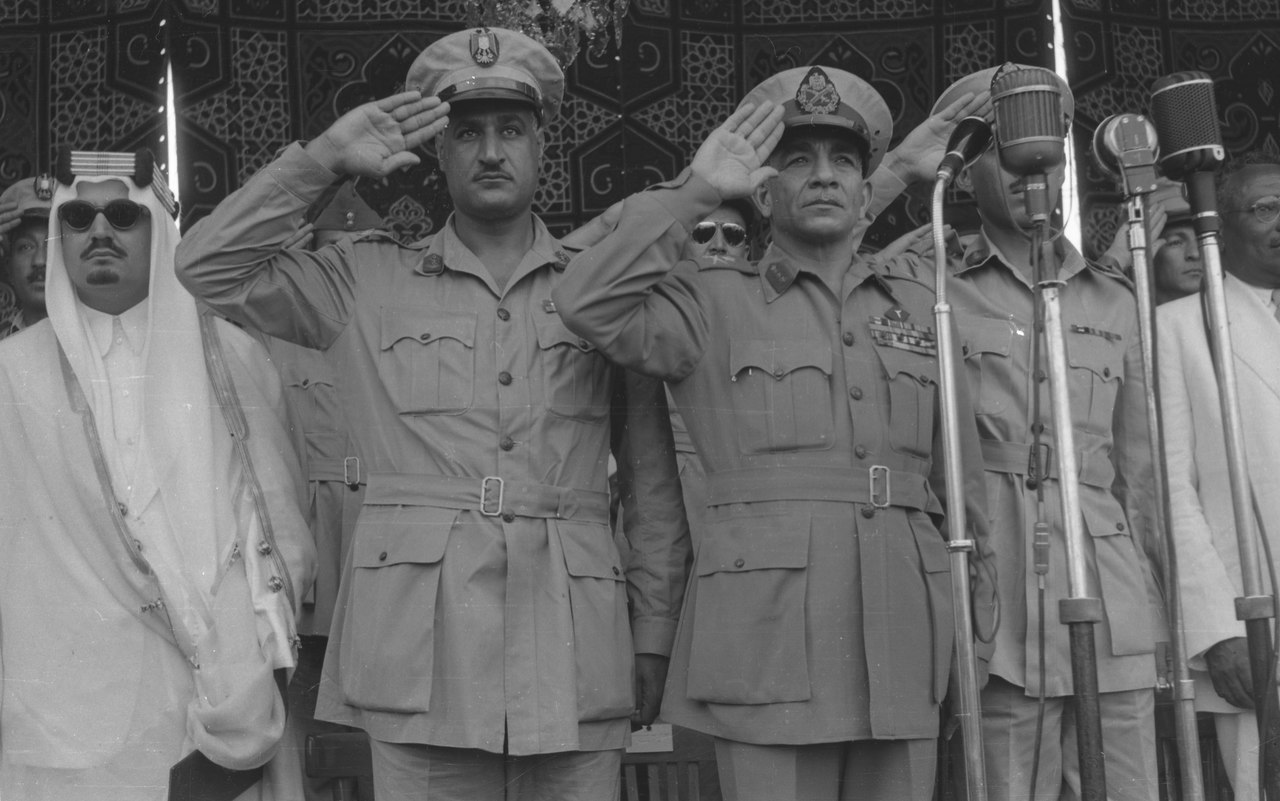
Nasser rose through the Egyptian military and became a leading member of the Free Officers, a group that organized the 1952 revolution which deposed the monarchy. The movement brought new leadership to the country under figures such as Mohamed Naguib and Nasser himself. After initial power-sharing, Naguib stepped aside and Nasser consolidated authority, eventually becoming president in 1956. The overthrow of the monarchy also affected relations with neighboring territories, including Sudan, and marked the start of an intensive program of state-led modernization.
Domestic policies and reforms
Domestically, Nasser promoted agrarian reform and a larger role for the state in the economy. Key measures included land redistribution, expanded access to education and health services, and national projects intended to industrialize the country. The government nationalized major assets, most famously the Suez Canal, and also brought many industries under public control. These policies aimed to reduce foreign economic dominance and to create a more equitable society.
Foreign policy, pan‑Arabism and international standing
Nasser fashioned a public platform of Arab nationalism and anti-colonialism, often called Nasserism. He sought closer ties and political unity with other Arab states, including a brief political union with Syria. His leadership also put Egypt at the center of efforts to resist Western influence in the region and to support independence movements across Africa. On the world stage he helped found and host initiatives associated with the Non-Aligned Movement, balancing relations with both East and West while accepting significant military and economic assistance from the Soviet bloc.
Crises and conflict
Nasser’s decision to nationalize the Suez Canal in 1956 provoked a military intervention by Britain, France and Israel, an episode that elevated his stature in much of the Arab and developing world even as it triggered wartime confrontation. Later, Egypt’s military conflicts with Israel culminated in the 1967 Six-Day War, which ended in a swift defeat for the Arab coalition and territorial losses that profoundly affected Nasser’s reputation. Despite the setback and criticism, many across the Arab world continued to view him as a symbol of resistance to imperialism and a champion of Arab dignity; he remained a potent figure in popular memory concerning Arab dignity.
Legacy and assessment
Nasser left a complex legacy. Supporters credit him with accelerating modernization, expanding public services, and asserting independence in international affairs; detractors point to authoritarian tendencies, curtailed political pluralism, and economic shortcomings. His influence persists in political language and movements across the Middle East and beyond, and his policies during the 1950s and 1960s continue to be studied as a formative chapter in post-colonial state-building.
- Egypt under Nasser: state-led development and social reform
- Regional ambitions: pan-Arab nationalism and union experiments
- International impact: the nationalization of the Suez Canal and alignment choices
- Long-term consequences: defeat in 1967 against Israel and shifting regional dynamics
Questions and answers
Q: Who was Gamal Abdel Nasser Hussein?
A: Gamal Abdel Nasser Hussein was the second President of Egypt from 1956 until his death in 1970.
Q: What did he do to bring about change in Egypt?
A: Along with Mohamed Naguib, the first President, he led the Egyptian Revolution of 1952 which overthrew the monarchy of Egypt and Sudan, bringing a new period of change in Egypt that made it a more socialist and modern country.
Q: How long did his union with Syria last?
A: His union with Syria did not last very long.
Q: What is Nasserism?
A: Nasserism is a version of pan-Arabism promoted by Gamal Abdel Nasser Hussein that was popular in the Arab world during the 1950s and 1960s.
Q: What important industries did he nationalize?
A: Under his leadership, Egypt nationalized the Suez Canal and a lot of other industries.
Q: How has his legacy been viewed by Arabs since then?
A: Even after the Israeli victory over the Arab armies in the Six-Day War damaged public opinion on him, many Arabs still view Nasser as a symbol of Arab dignity and freedom.
Related articles
Author
AlegsaOnline.com Gamal Abdel Nasser: Egyptian president and leader of Arab nationalism Leandro Alegsa
URL: https://en.alegsaonline.com/art/119379