
Japanese mythology: Shinto, kami, creation myths, and imperial origins
Overview of Japanese myths and beliefs rooted in Shinto and related traditions: key texts (Kojiki, Nihonshoki), kami, creation stories (Izanagi/Izanami, Amaterasu), imperial ancestry, syncretism, and cultural legacy.
Overview
Japanese mythology is the body of traditional narratives, religious ideas, and symbolic accounts that shaped early Japanese worldviews. It is primarily associated with Shinto, the indigenous practice of reverence for kami, and has been influenced over centuries by Buddhist thought and continental contact. These narratives explain cosmic origins, the emergence of the Japanese islands, the deeds of gods and heroes, and the ritual and social orders that followed. For general orientation see systems of belief and comparative perspectives at related traditions.
Image gallery
9 Images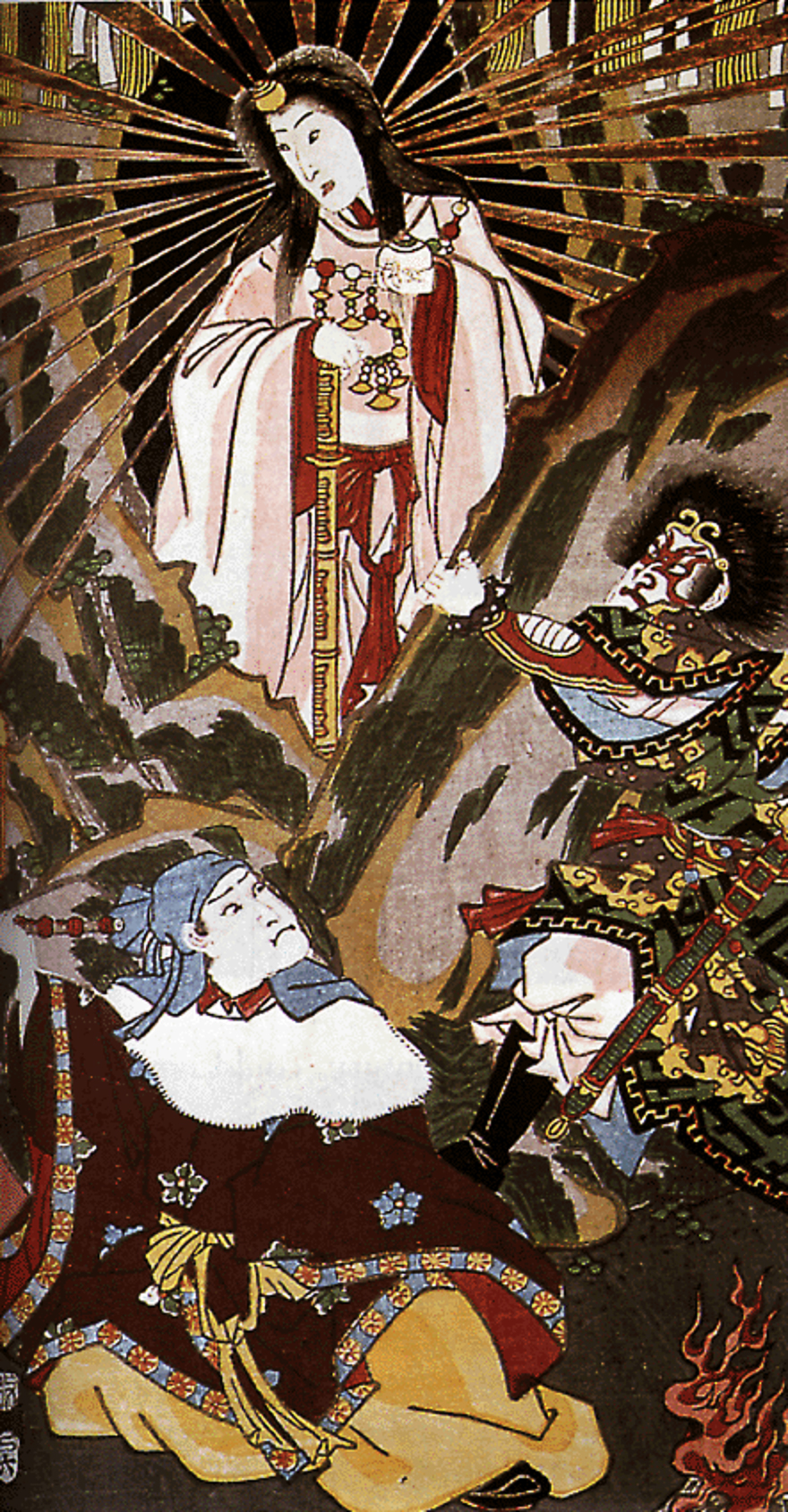


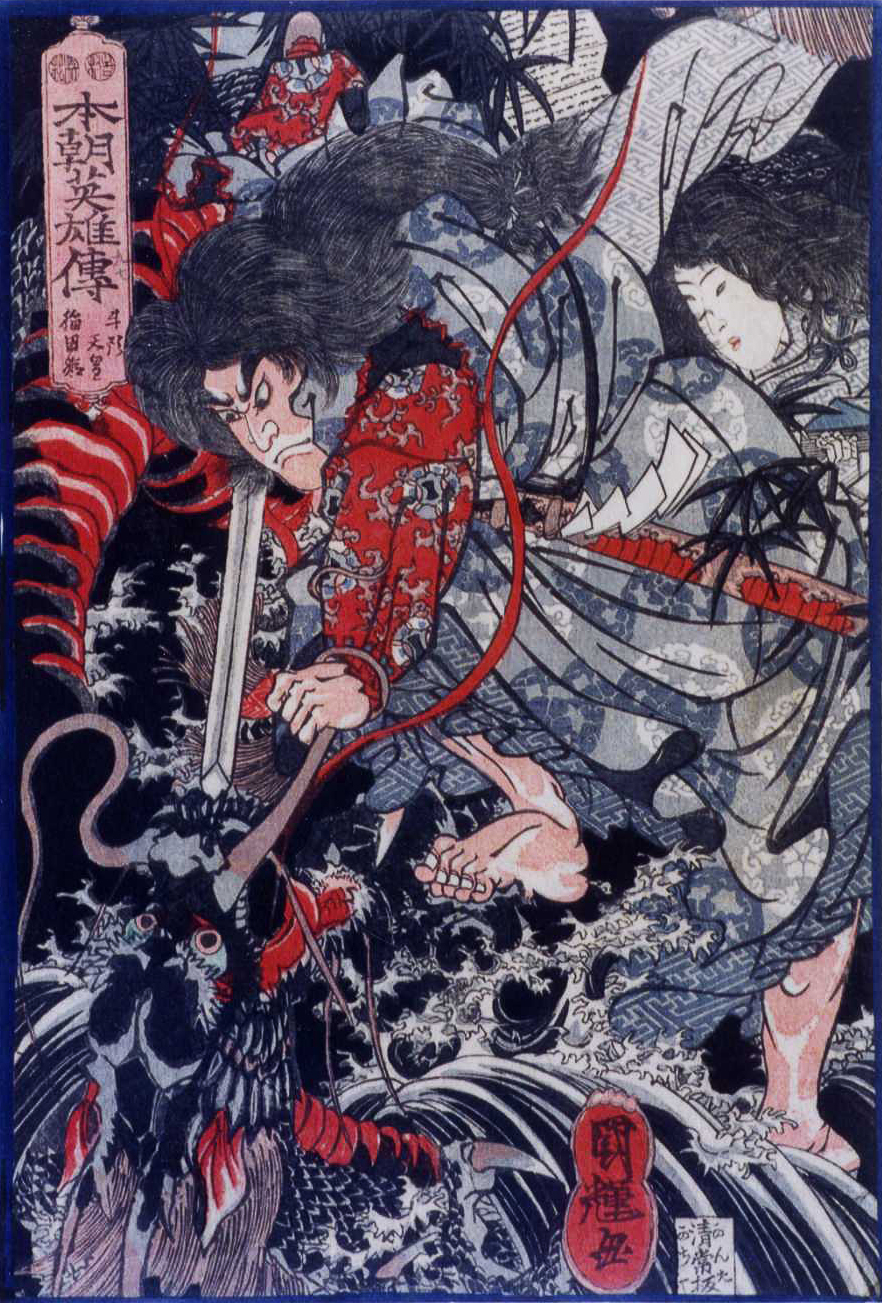
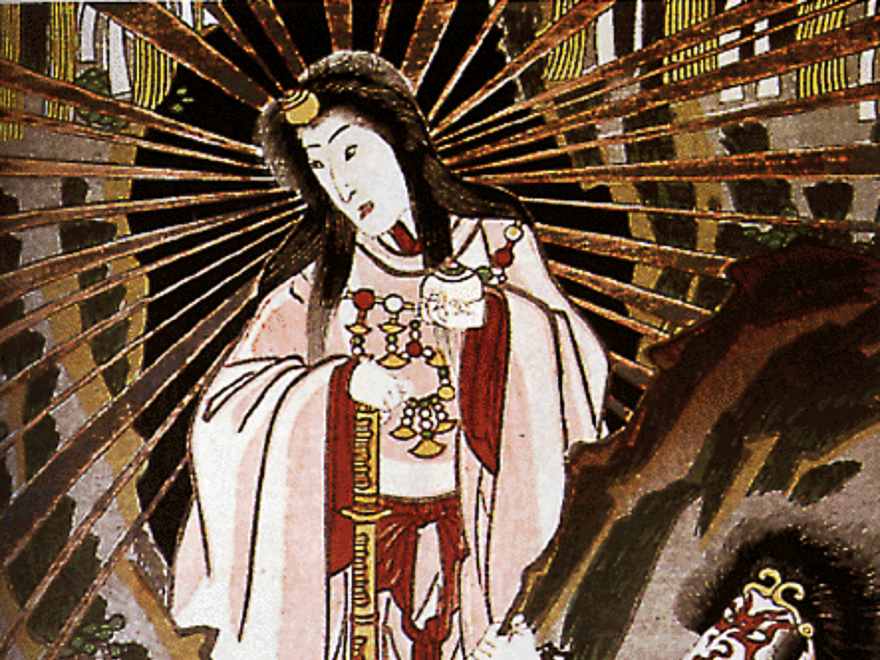


Principal sources and texts
The oldest extant written collections are the Kojiki and the Nihonshoki. The Kojiki preserves origin myths, genealogies, and legendary episodes. The Nihonshoki presents a more formal, often chronological record intended to place the islands and ruling house in a historical framework. Other compilations, later chronicles of legends, and interpretive works also shaped the tradition; see general discussions of legends and early historical records. Syncretic reinterpretations that align native deities with Buddhist cosmology are discussed in texts of Buddhist commentaries and in Shinto exegesis at Shinto sources.
Creation narratives and principal deities
A central creation sequence describes primordial deities who precede the formation of the world, followed by the pairing of the creator deities Izanagi and Izanami who give birth to the islands and many kami. Important figures include the sun goddess Amaterasu, storm and sea deities, and ancestral kami of clans and localities. The term kami is often translated as gods or spirits, and the word's force is rooted in context, ranging from powerful natural forces to revered ancestors; see linguistic notes on Japanese terminology.
Kami, ritual, and shrine practice
The concept of kami links myth to everyday practice: shrines, offerings, purification rites, and seasonal festivals enact relationships with deities. Myths supply origin stories for shrine foundations and rituals, and they function as mnemonic webs for communal identity. Discussions of ritual use and the roles of particular kami are available in specialized studies and general introductions to kami and shrine practice.
Imperial ancestry and political symbolism
One of the most significant motifs in Japanese mythology is the association of the imperial line with divine ancestry. The descent of the imperial family from the sun goddess is a foundational claim that historically provided ideological legitimacy for rulership. The Japanese title tennō reflects this celestial association. Over time, texts and ceremonies repeated and adapted these claims; for examinations of lineage narratives see material on the imperial family and on early historical chronicles.
Syncretism, alternative accounts, and scholarship
From the classical period onward, native myths were read through Buddhist, Confucian, and later scholarly lenses. Some collections explicitly recast Shinto deities in Buddhist cosmologies, while other texts present divergent local or clan-centered traditions. Variant narratives such as regional cycles, folk tales, and unconventional compilations are part of a larger, non-uniform corpus that scholars study comparatively. For Buddhist reinterpretations and syncretic readings see Buddhist viewpoints and Shinto commentaries at religious compilations.
Regional variation and transmission
Mythic material circulated orally for generations before being recorded, so regional variants and differing emphases are common. Local kami often have distinct origin stories tied to landscape features, clan genealogies, or historical events. Collections and studies that gather these variants provide insight into how mythology functioned at village and provincial levels; comparative essays and spirit inventories can be useful starting points at comparative essays and local spirit accounts at spirit accounts.
Cultural legacy and modern reception
Japanese mythology continues to inform literature, visual arts, theatre, popular media, and modern religious practice. Festivals reenact mythic episodes, and artistic motifs draw on the imagery of deities and legendary heroes. Scholarly and popular resources offer guides to principal myths, deities, and their manifestations in culture; see introductory compilations and encyclopedic entries at belief encyclopedias and curated summaries at related chronicles and Kojiki.
Further reading and resources
Readers seeking in-depth study should consult critical translations and annotated editions of primary texts, as well as scholarly overviews that treat both religious practice and literary history. Accessible introductions and online resources can provide reliable starting points; for background on terminology and principal figures see short guides at language notes, deity profiles at Amaterasu, and discussions of ritual and institutional history at imperial and shrine histories.
Note: Myths are symbolic narratives shaped by social, political, and religious forces. While they preserve important cultural memory, they are not straightforward historical records and are best read in relation to ritual practice, literary conventions, and historical context.
Related articles
Author
AlegsaOnline.com Japanese mythology: Shinto, kami, creation myths, and imperial origins Leandro Alegsa
URL: https://en.alegsaonline.com/art/49534