
Kami: Shinto spirits, nature deities, and cultural role
Kami are spirits or divine forces in Shinto associated with natural phenomena, places, ancestors and events; they inform shrines, rituals, festivals and many aspects of Japanese cultural practice.
Overview
The Japanese term kami (神) denotes a wide range of spiritual presences rather than a single type of supernatural being. In Shinto belief these include invisible forces, local guardian beings, deified ancestors and sacred qualities present in particular places or objects. The term is often translated as spirits or gods, but such translations can be misleading because kami are the focus of ritual worship in the indigenous religion called Shinto and may not resemble personal deities in other traditions.
Image gallery
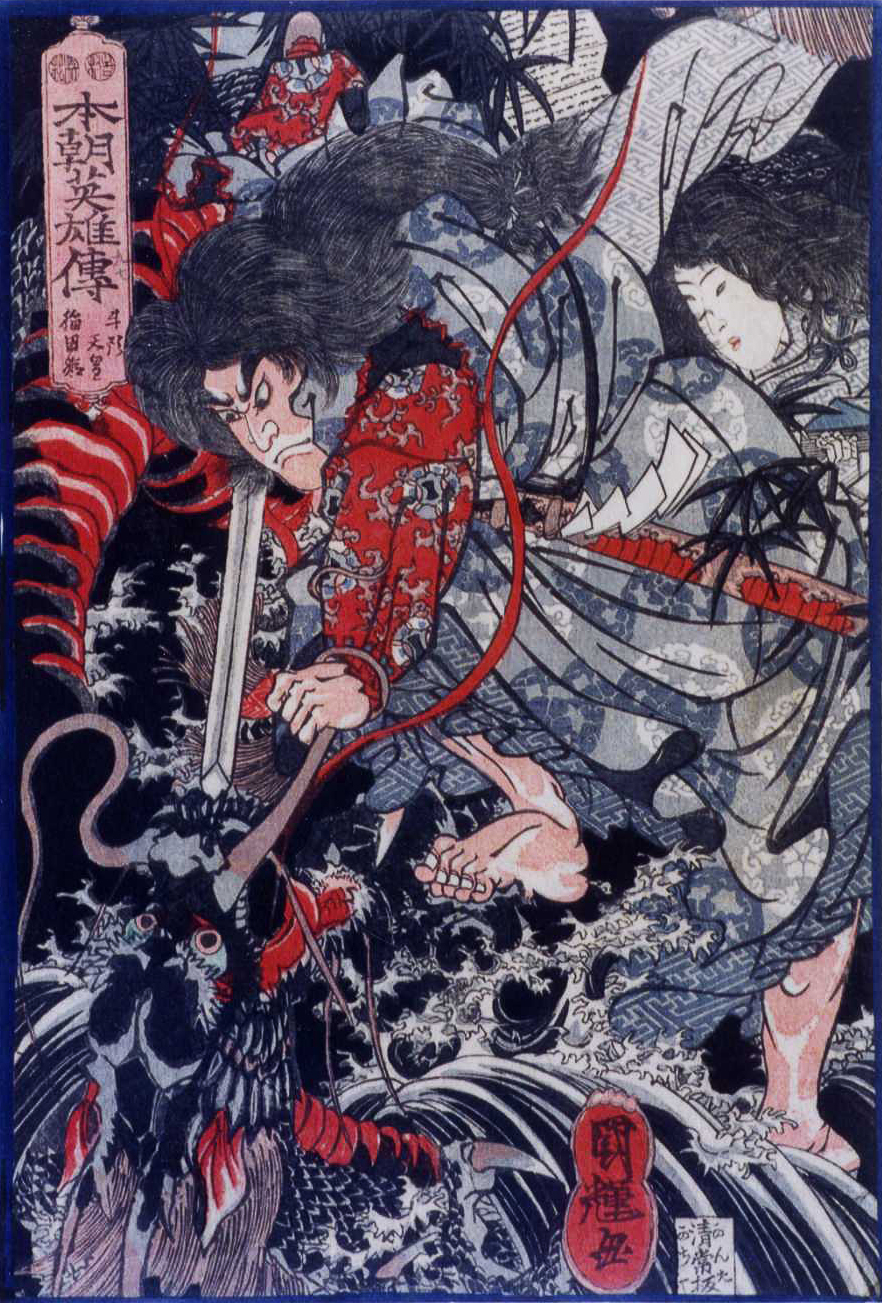
4 Images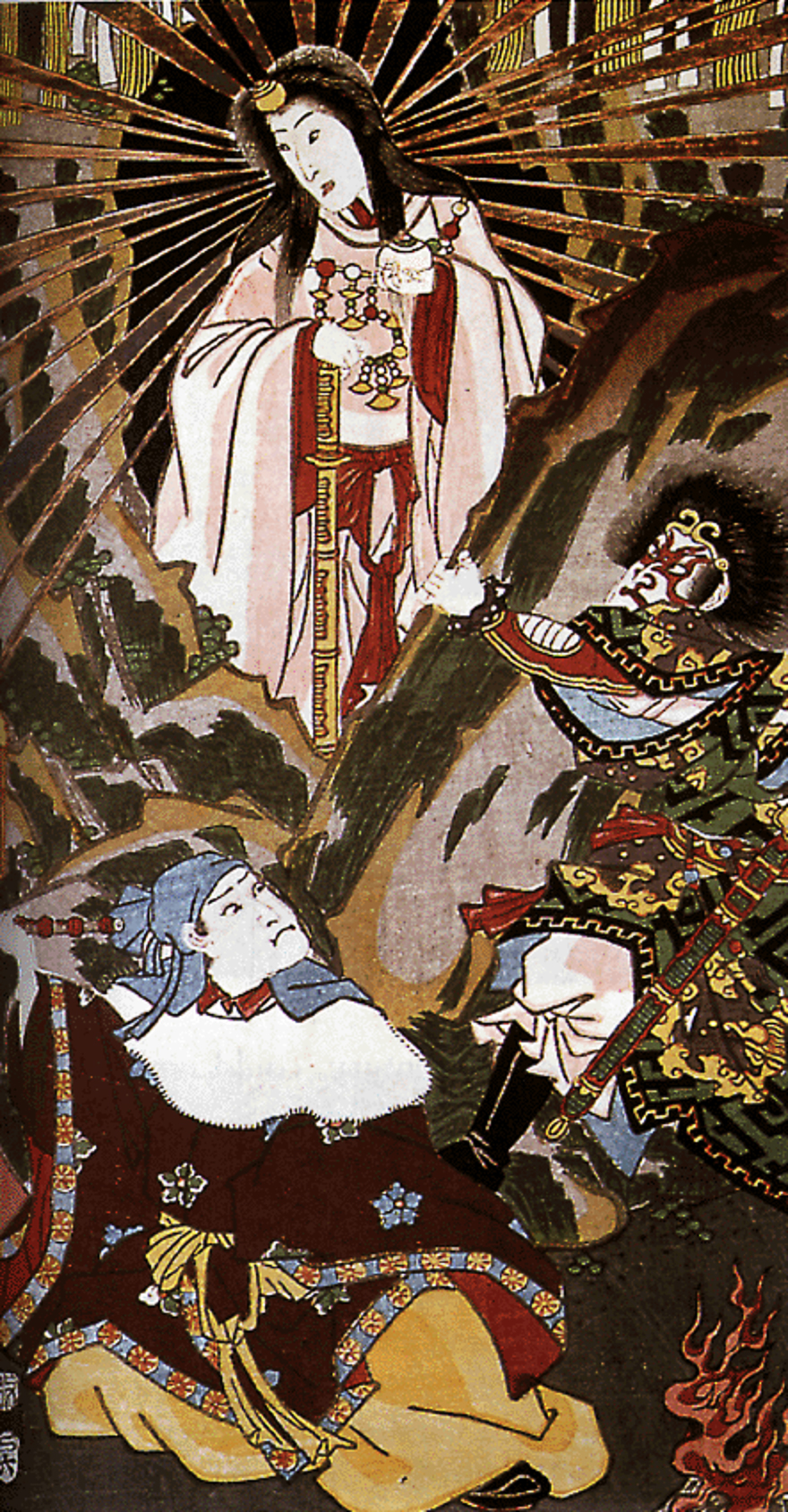


Nature and categories
Kami may be what English speakers call gods, but many are not fully personified: some are personified ancestors or mythic figures, while others are immanent in natural phenomena or remembered events. Trees, rocks and rivers can be respected as dwelling places of kami — for example a particular tree may be venerated — and weather elements such as rain and wind are also associated with kami. The word also covers local tutelary spirits, clan or household deities, and large mythic kami associated with national origins or the sun.
Language and numbers
Traditional expressions emphasize abundance: the phrase yaoyorozu-no-kami (八百万の神) is commonly rendered as "eight million kami," where the number symbolizes countless or effectively infinite beings rather than a literal count; the figurative idea of infinity is implied. Scholars note that translating kami into a single English word loses nuance: it carries social, ritual and natural meanings entwined in Japanese usage.
History and practice
Ideas about kami predate written records and were shaped by local customs, oral myths and later contacts with Buddhism and continental thought. Over time syncretic practices developed, but shrines remained the primary institutional sites for honoring kami. A typical shrine features a torii gate marking the sacred precinct, a main hall for offerings and a space for purification rites. Offerings, prayers, festivals (matsuri) and seasonal rites constitute common ways that communities maintain reciprocal relationships with kami.
Rituals, festivals and everyday life
Ritual emphasis is often on purity, proper conduct and reciprocity: people ritually purify themselves, make offerings, and sustain shrine spaces in exchange for protection or good harvests. Matsuri range from small local observances to major public events that reinforce community identity. Household practices may honor ancestral or household kami, while public rites connect villages to guardian deities and natural cycles.
Modern relevance and interpretations
In contemporary Japan attitudes toward kami vary widely. For some people kami remain literal spiritual agents; for others they represent cultural tradition, ethical relationships with nature, or symbolic elements of national and local identity. Scholarly and popular writing explores kami in terms of ecology, folklore, art and social life, reflecting the term's layered meanings and enduring cultural role.
- Key concepts: immanence, reciprocity, purity.
- Common settings: shrines, natural sites, household altars.
- Sources for further reading: language notes (term), ritual descriptions (worship), studies of events and festivals, and general introductions to Shinto and Nature in Japanese culture.
For introductory context see materials on the use of spirits in folklore, comparative notes on personification, and discussions of natural phenomena in religious practice. Readers may consult linguistic overviews at translation guides and cultural summaries that explain how the concept of kami informs rites connected to trees, weather such as rain or wind, and community life—underscoring why the expression yaoyorozu-no-kami evokes a sense of innumerable presence rather than a precise count.
Related articles
Author
AlegsaOnline.com Kami: Shinto spirits, nature deities, and cultural role Leandro Alegsa
URL: https://en.alegsaonline.com/art/52040