
Amaterasu — the Sun goddess of Japanese tradition
Amaterasu is the central sun deity in Shinto belief, famed for myths about withdrawing into a cave and for ties to the imperial line; she is venerated at Ise Grand Shrine and in many cultural forms.
Overview
Amaterasu is the principal sun goddess of Shinto, often named Amaterasu-ōmikami or Ōhirume-no-muchi-no-kami in classical sources. Her name is commonly interpreted as "that which illuminates the heavens" and she represents light, order, and the visible brightness of the world. In Japan’s religious imagination she occupies a central place among the kami (deities) and figures prominently in origin narratives preserved in early chronicles.
Image gallery
10 Images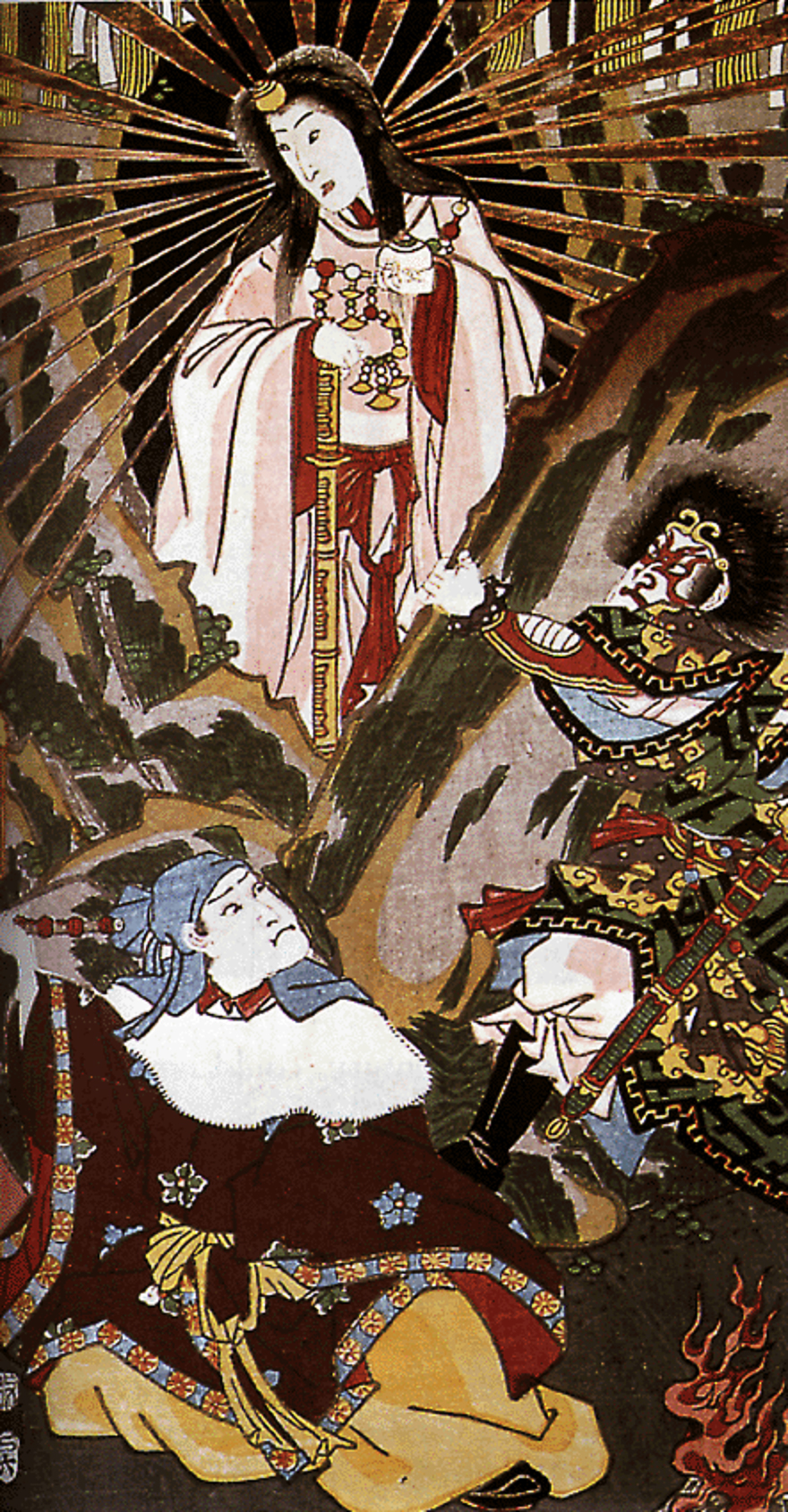


Myths and key stories
The best-known tale describes how Amaterasu withdrew into a heavenly cave, plunging the world into darkness, and was lured out by the playful dance and revelry of other deities. This episode explains the return of light and is associated with ritual performance and sacred objects. Her conflicts with her brother Susanoo, a storm kami, and the later reconciliation episodes form part of the mythic corpus recorded in works such as the Kojiki and Nihon Shoki. These stories introduce several symbolic items, including a polished mirror said to reflect divine truth.
Worship, shrines, and rituals
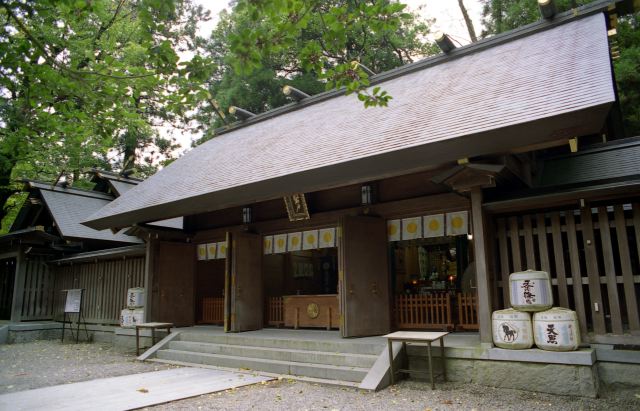
The chief center of Amaterasu’s cult is the Ise Grand Shrine, where the deity is enshrined and honored through seasonal rites. Ise is notable for traditional practices that emphasize purity, continuity and renewal. Other shrines and local festivals celebrate aspects of sun and harvest, and sacred performance arts such as kagura draw on the myth of the cave and rejoicing.
Symbols and imperial connection
Objects linked to Amaterasu—particularly the sacred mirror—appear among the Three Imperial Regalia and are tied to the idea of divine legitimacy for the historical imperial house. Classical sources portray the imperial line as descended from Amaterasu, a claim that shaped ritual and political ideology at various times without serving as a straightforward historical record.
Legacy and cultural influence
Amaterasu’s presence extends from religious rites into literature, visual arts, and performance. She has been invoked in poetry and narrative, appears in modern retellings, and remains a symbol of light, continuity and national origin stories. Scholars note that interpretations of her role have varied across eras, reflecting changing social and political contexts.
Notable facts
- Her name and epithets are written in classical Japanese forms and studied in linguistic and religious scholarship (name meaning).
- The cave episode is a foundational myth connected to ritualized dance and community celebration (Shinto performance traditions).
- The mirror associated with her myth is often identified with the Yata no Kagami, one of the symbolic regalia.
Questions and answers
Q: Who is Amaterasu in Japanese mythology?
A: Amaterasu is a goddess in Japanese mythology.
Q: What is Amaterasu's role in Japanese mythology?
A: Amaterasu is the Sun Goddess and the most sacred of all Shinto deities.
Q: What does Amaterasu's name mean?
A: Her name, Amaterasu, means "(that which) illuminates Heaven."
Q: Where is Amaterasu's shrine located?
A: Amaterasu's shrine is located at Ise.
Q: What other names is Amaterasu known by?
A: Amaterasu is also known as Amaterasu-ōmikami and Ōhirume-no-muchi-no-kami.
Q: What is the significance of Amaterasu's name?
A: Amaterasu's name refers to her role as the Sun Goddess who illuminates Heaven.
Q: Why is Amaterasu considered the most sacred of all Shinto deities?
A: Amaterasu is considered the most sacred of all Shinto deities due to her role as the Sun Goddess and her importance in Japanese mythology.
Related articles
Author
AlegsaOnline.com Amaterasu — the Sun goddess of Japanese tradition Leandro Alegsa
URL: https://en.alegsaonline.com/art/3239