
Irukandji jellyfish (Carukia barnesi) — tiny box jellyfish and Irukandji syndrome
Concise encyclopedic overview of the Irukandji jellyfish (Carukia barnesi): appearance, venom and Irukandji syndrome, discovery, ecology, risks to swimmers, first aid, treatment and captivity.
Overview
The Irukandji jellyfish is best known from the species Carukia barnesi and other very small cubozoans that cause a distinctive and sometimes severe reaction called Irukandji syndrome. These animals are members of the box jellyfish class (Cubozoa) and are most commonly reported from northern Australia, although related tiny box jellyfish occur in warm tropical waters elsewhere. The common name comes from the Indigenous people of the region: the word Irukandji and the local tribe around Palm Cove were associated with stings long before scientific description.
Image gallery
2 Images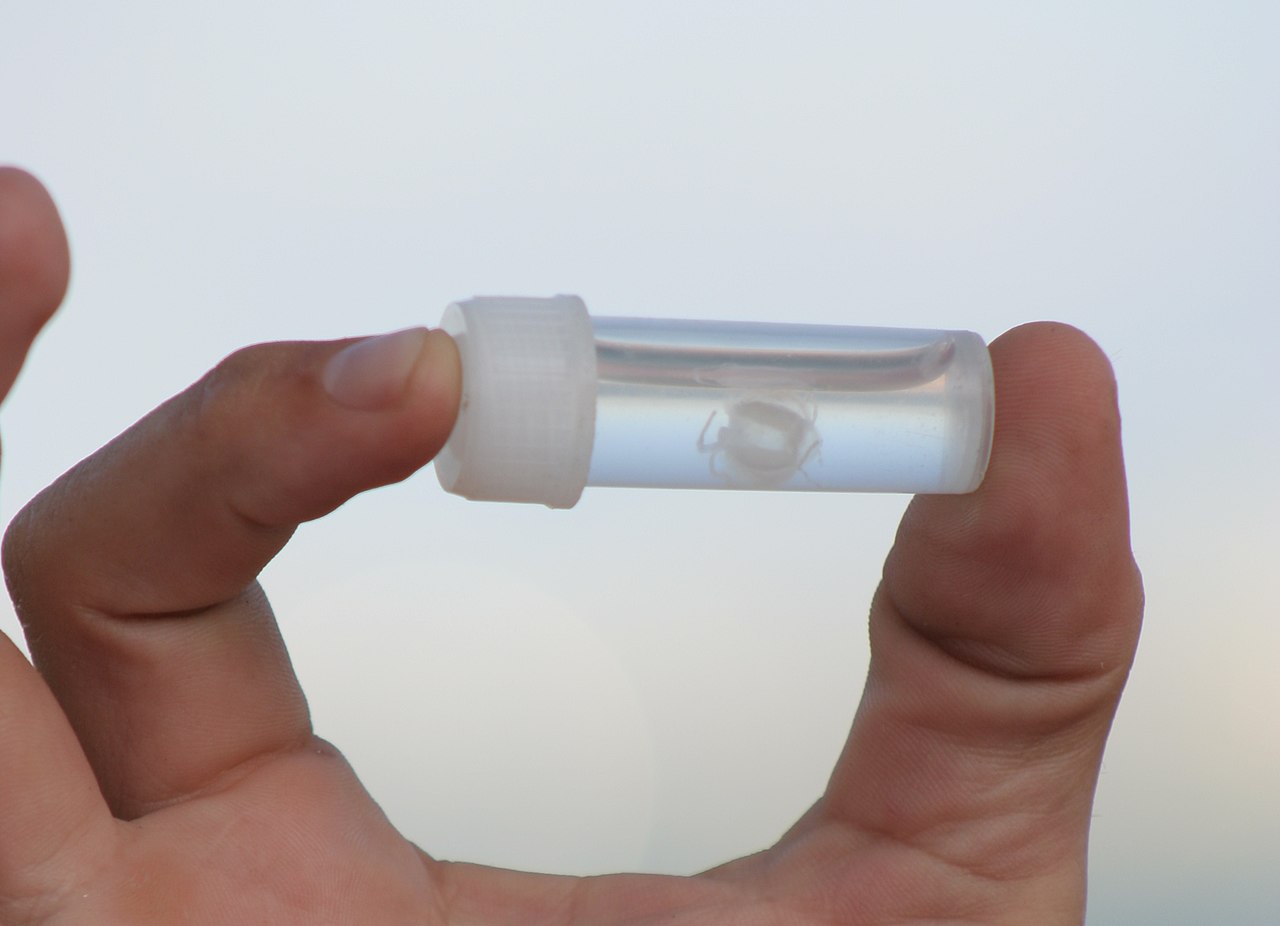

Appearance and size
Carukia barnesi and similar Irukandji-type jellyfish are extremely small for box jellyfish. The diameter of the bell, together with trailing tentacles, is typically only a few centimetres (commonly reported as around 1–2.5 cm for many individuals), which makes them difficult to detect in water. Despite their small size the bell and tentacles are equipped with nematocysts capable of delivering venom: stinging cells occur on both the bell surface and the tentacles.
Venom and Irukandji syndrome
Stings by Irukandji-type jellyfish may produce a delayed syndrome rather than an immediate, dramatic local reaction. Initial contact can be mild or easily missed; severe symptoms often develop after a delay of 20–30 minutes or more. The clinical constellation is often grouped under the term Irukandji syndrome, which includes severe generalized pain and autonomic effects. The venom acts on the nervous and cardiovascular systems and can produce profound systemic responses.
Symptoms and complications
Typical symptoms reported with Irukandji syndrome include intense lower back and abdominal pain, widespread muscle cramps, headaches, nausea and persistent vomiting. Patients commonly experience marked anxiety, agitation, sweating and a feeling of impending doom. In more serious cases the reaction can lead to dangerous cardiovascular complications such as very high blood pressure (hypertension) and cardiac strain that in rare instances may progress to heart (heart) failure. Pulmonary complications are also reported: fluid accumulation in the lungs (pulmonary oedema) or other forms of fluid imbalance can occur and require urgent care.
First aid and medical treatment
Because symptoms may be delayed, anyone with a suspected jellyfish sting who develops severe pain, nausea or cardiovascular symptoms should seek medical attention promptly. First aid recommendations vary by region but generally include removing the person from the water, avoiding rubbing the area, and seeking professional care. Treatment in hospital is primarily supportive and symptomatic: effective pain relief is a priority, and medical teams monitor and manage blood pressure and cardiorespiratory function. There is not a widely used specific antivenom for Irukandji syndrome; clinical management focuses on analgesia, cardiovascular support and respiratory care when needed.
Discovery and taxonomy
The species Carukia barnesi was described in the 1960s following work by Australian physician Jack Barnes, who linked a puzzling clinical syndrome to stings by a very small box jellyfish after direct field observations while wearing diving equipment. Barnes' work, including human volunteer testing at the time, established the connection between the organism and the syndrome; the species name reflects his role. Irukandji-type stings are distinct from those of the larger and better known box jellyfish Chironex fleckeri, though both belong to the same class.
Ecology, life cycle and distribution
Irukandji-type jellyfish are associated with warm, often coastal marine environments and show seasonal increases in sightings and stings in temperate zones where they occur. Like other cubozoans, their lifecycle includes a benthic polyp stage and a free-swimming medusa stage; small medusae are the form most often implicated in human stings. Their fragility and tiny size make systematic study challenging, but researchers continue to document distribution, seasonality and ecological links to currents and weather.
Captivity, research and conservation
Maintaining these animals in standard public aquaria is difficult because they are fragile and can be damaged by sudden water flows or handling; the presence of stinging cells on the bell increases handling risks. Nevertheless, some research facilities have successfully kept and bred individuals in controlled conditions, and recorded births in captivity have been reported in centres such as Townsville. These efforts help researchers study venom composition, life cycle details and potential treatments (captivity, aquarium research).
Prevention and public health
Public safety measures in affected regions emphasise awareness, prompt reporting of stings and use of protective measures such as stinger suits, avoidance of known high-risk swimming areas during peak seasons, and adherence to local warnings and netted enclosures where available. Lifeguards and medical staff in endemic zones are trained to recognise symptoms and to provide appropriate first aid and rapid transfer to medical care. While fatalities are uncommon, several serious cases and a small number of deaths have been attributed to Irukandji-type stings, so caution is warranted.
Further reading and resources
- Carukia barnesi — species accounts and taxonomic notes.
- Jellyfish — general information on lifecycle and stinging cells.
- Tentacles and bell anatomy — how nematocysts are arranged.
- Anxiety and other autonomic effects as part of clinical presentation.
- Clinical complications: fluid disturbances, pulmonary oedema, hypertension, heart effects.
- Regional guidance from authorities in northern Australia and similar regions.
- Historical notes on the Aboriginal knowledge and the Palm Cove area.
- Research and conservation: case studies and captivity reports (see captivity, aquarium facilities and centres in Townsville).
- Comparisons with larger box jellyfish species.
- Operational advice for water users and divers: diving safety and avoidance measures.
Irukandji jellyfish remain a subject of active study: researchers continue to refine understanding of venom components, clinical management and ecological drivers of sting events. For region-specific, up-to-date advice consult local marine safety and health authorities.
Related articles
Author
AlegsaOnline.com Irukandji jellyfish (Carukia barnesi) — tiny box jellyfish and Irukandji syndrome Leandro Alegsa
URL: https://en.alegsaonline.com/art/48274
Sources
- species.wikimedia.org : Carukia barnesi
- goaustralia.about.com : "Irukandji Jellyfish – Beware the Deadly Irukandji Jellyfish"
- irukandjijellyfish.com : "Irukandji Jellyfish"
- reef.crc.org.au : "Irukandji syndrome"
- australianfauna.com : "Irukandji Jellyfish"
- barrierreefaustralia.com : "Box Jelly Fish, dangers on the great barrier reef"
- theage.com.au : "Tiny menace with knockout punch stalks our beaches – theage.com.au"