
Ivory: Composition, Historical Uses, and Conservation of Animal Tusk Material
Ivory: composition and sources (elephant, walrus, mammoth), historic uses in art and everyday objects, and contemporary conservation efforts, trade restrictions, legal issues, and cultural significance.
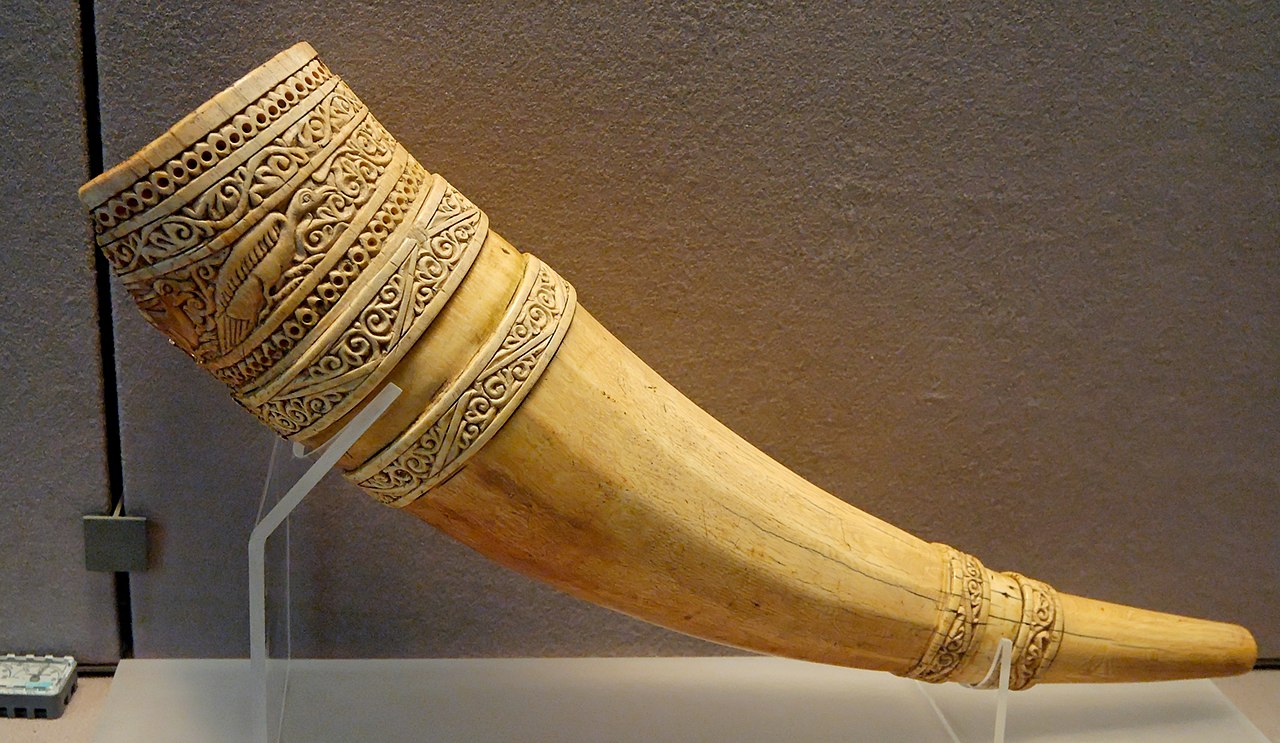
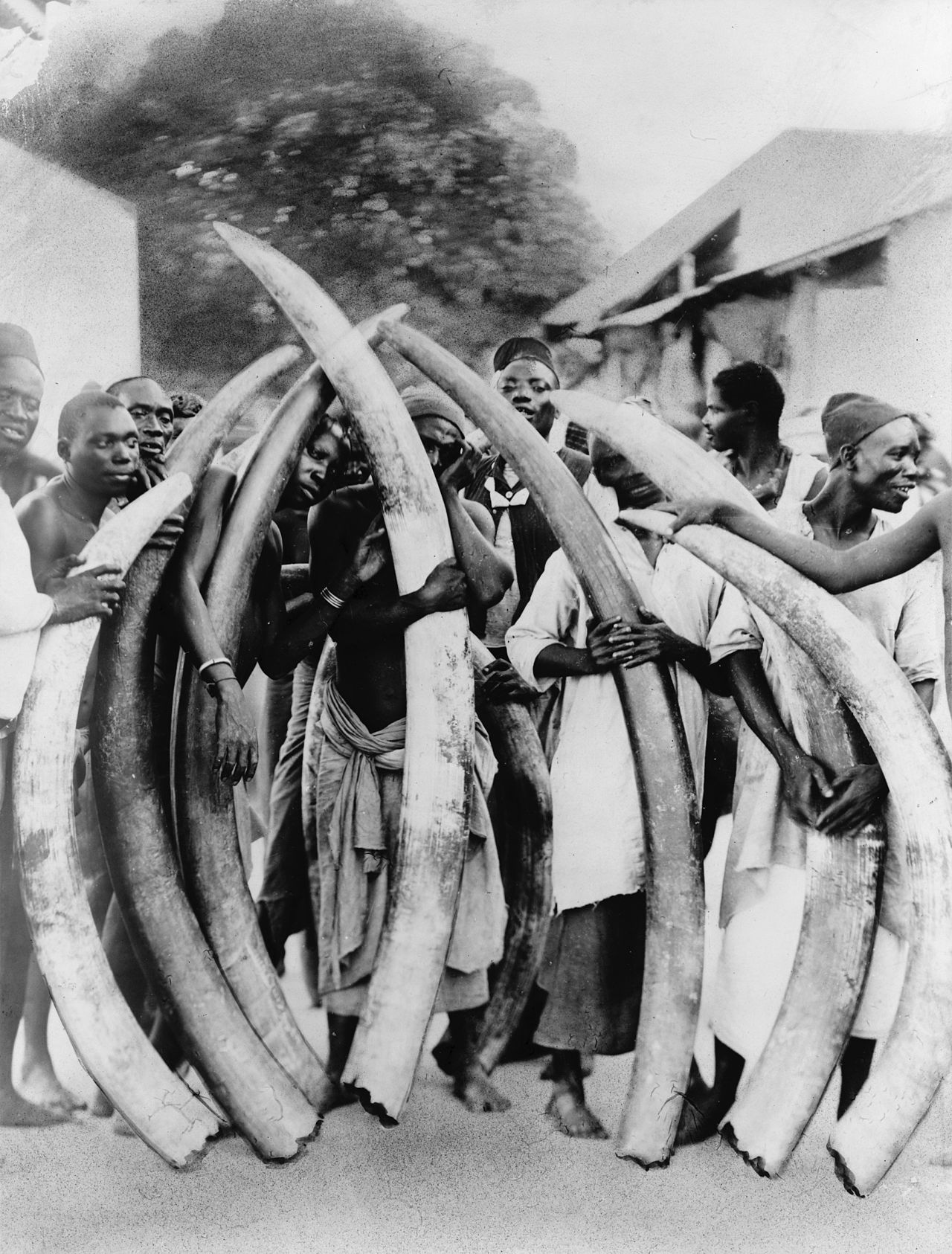
Ivory is a hard, creamy material produced from the tusks and large teeth of certain mammals. It is most commonly associated with elephant tusks but has also been obtained from animals such as walruses and hippopotamuses. The material is valued for its smooth texture and ability to be finely carved and polished.tusks
Image gallery
10 Images




Sources and appearance
Ivory is composed largely of dentine, the same tissue found in teeth. Depending on the species, age and part of the tusk or tooth, ivory varies in density, grain and color—from nearly white to a warm yellowish tone. Fossilized ivory (for example, from mammoths) exists as well, and is treated differently under some legal systems.
Uses
- Historically used for small carved objects and religious artifacts, with examples dating back to ancient civilizations.
- Practical items such as piano keys, billiard balls and tool handles were traditionally made from ivory; modern equivalents typically use plastics and synthetic resins.
- Contemporary artisans still carve ivory where it is legally available, and older ivory pieces remain important in museum and private collections.
Conservation and trade
Because many source species—most notably elephants—have suffered population declines from poaching and habitat loss, most international and national authorities now restrict or prohibit commercial ivory trade. These regulations have reduced legal supply and increased the value of illicit ivory. Some governments have argued for controlled or one-off sales of stockpiled ivory to finance conservation and community programs; examples of countries that have called for changes to current rules include Zimbabwe and South Africa.
Color and cultural meaning
The term “ivory” is also used to describe a pale off-white color with a slight warm tint. In design and fashion contexts it is often chosen for its subtle, understated quality and is associated with calmness and refinement.
Related articles
Author
AlegsaOnline.com Ivory: Composition, Historical Uses, and Conservation of Animal Tusk Material Leandro Alegsa
URL: https://en.alegsaonline.com/art/48724