
Captivity (animal)
The condition of animals kept under human control for use, care, study, or conservation, including pets, livestock, zoo animals and those held for rehabilitation or research.
Overview
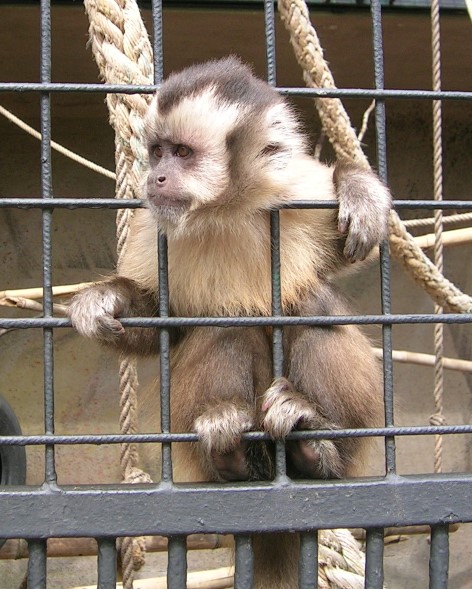
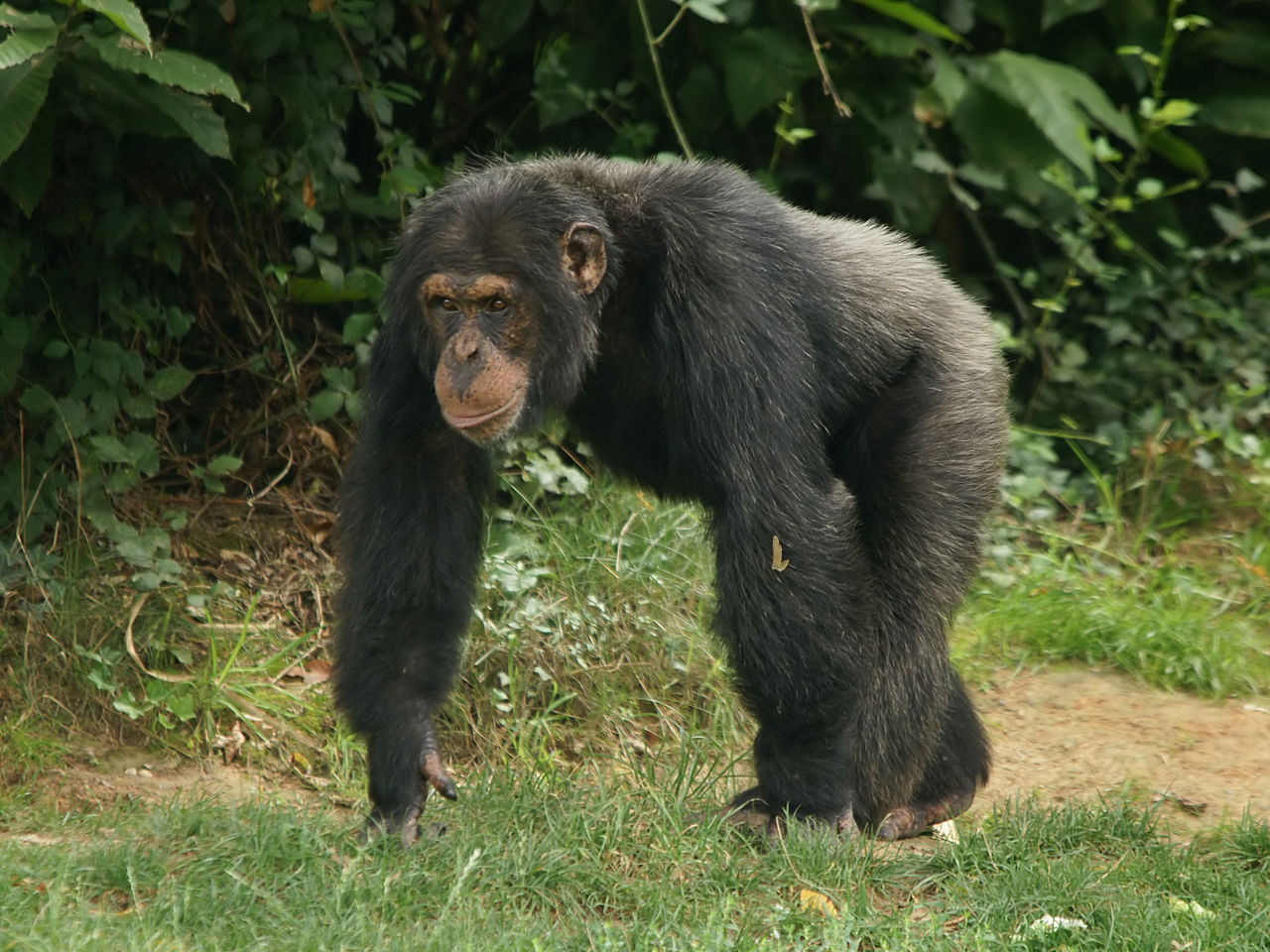
Animal captivity describes situations in which animals live under direct human control or care. The term covers a wide range of relationships, from fully domesticated species kept as pets or livestock to wild animals maintained in enclosures for display, breeding, research or recovery. Captivity can be short term, as in veterinary treatment or rescue, or long term, as in agricultural, companion or institutional settings.
Image gallery
10 Images



Characteristics and common settings
Conditions of captivity vary widely depending on purpose, resources and regulation. Typical features include constrained movement, human-provided food and shelter, veterinary care, and structured social groupings. Settings where animals are commonly held include:
- Farms and ranches, where animals are managed for production of food, fiber or other agricultural products;
- Private homes and shelters, where companion animals are kept for companionship, work or adoption;
- Zoos, aquaria and wildlife parks, which may focus on exhibition, education, research or conservation;
- Research facilities, rehabilitation centers and sanctuaries, each with differing priorities for welfare and release.
History and development
Keeping animals under human control is ancient and includes the domestication of plants and animals, selective breeding, and the development of husbandry practices. Institutions that display or study wild species evolved over centuries from private menageries to modern zoological parks and accredited conservation programs. Over time, practices and public expectations have shifted toward greater attention to animal welfare, scientific management and legal oversight.
Uses, conservation and examples
People maintain animals in captivity for many reasons: food and materials, companionship and work, scientific research, education, and species survival. Captive breeding programs can help prevent extinction by maintaining insurance populations and supporting reintroduction efforts. Rehabilitation centers may hold individuals temporarily before release. At the same time, some captive situations aim primarily at display or entertainment rather than conservation.
Welfare, ethics and distinctions
Debates about captivity center on welfare outcomes, ethical justification and ecological impact. Welfare assessments consider physical health, behavior, ability to express natural activities, and psychological well‑being. Ethical views differ for domesticated animals versus wild species: domesticated animals have been shaped by human association, while keeping wild animals raises concerns about stress, appropriate environments and long‑term care. Regulations, accreditation schemes and enrichment practices are intended to reduce harm and improve quality of life for captive animals.
Notable points
- Captivity spans a spectrum from minimal restraint to life in managed populations with veterinary and nutritional support.
- Conservation programs may rely on captivity to preserve genetic diversity or rebuild populations, but release is not always possible.
- Public attitudes and laws continue to evolve, influencing how and why humans keep animals under control.
For further reading and institutional resources, see links to general information and subject-specific organizations: animals, human control, domestication, livestock management, pet care, farm practices, zoo standards.
Related articles
Author
AlegsaOnline.com Captivity (animal) Leandro Alegsa
URL: https://en.alegsaonline.com/art/16821