
Box jellyfish (Cubozoa): biology, venom, and human interactions
An accessible overview of box jellyfish (Cubozoa): anatomy, senses, venom effects, distribution, life cycle, treatment and notable species.
Overview
Box jellyfish belong to the class Cubozoa, a small group of cnidarians that attract attention because of their potent sting. They are commonly called box jellies because the bell of the animal is more squared than the rounded bells of many other jellyfish. Though the group contains relatively few described forms, they include some species recognized among the most dangerous marine animals for people.
Image gallery
10 Images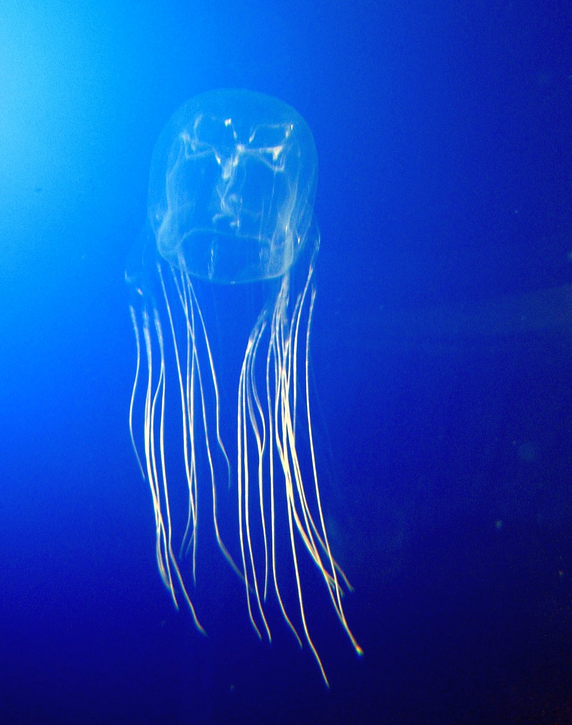



Anatomy and distinctive features
All cubozoans share a box-like bell with four corners called pedalia; from each corner one or more long, flexible tentacles trail. Each tentacle is lined with thousands of nematocysts (stinging cells) arranged to deliver venom to prey or in defense. Unlike many jellyfish, box jellies have a more centralized nervous arrangement and specialized sensory structures. For basic context within zoology see higher-level groups and the phylum overview at Cnidaria. The class itself is referenced in taxonomic lists as Cubozoa and historically contains a modest number of named species, often cited around 19 species.
Senses, movement and hunting
Box jellies are more active swimmers than many other medusae; they can propel themselves and steer to approach prey. They possess multiple eyes clustered on each pedalium: some species have up to 26 eyes in total, including lens-bearing camera-style eyes with cornea and retina-like layers (retina, cornea). Their visual system supports obstacle avoidance and prey detection, a rare level of vision among jellyfish. Their degree of sight and behavior are subjects of current research; for accessible summaries on sensory abilities see studies of cubozoan vision.
Venom, effects and treatment
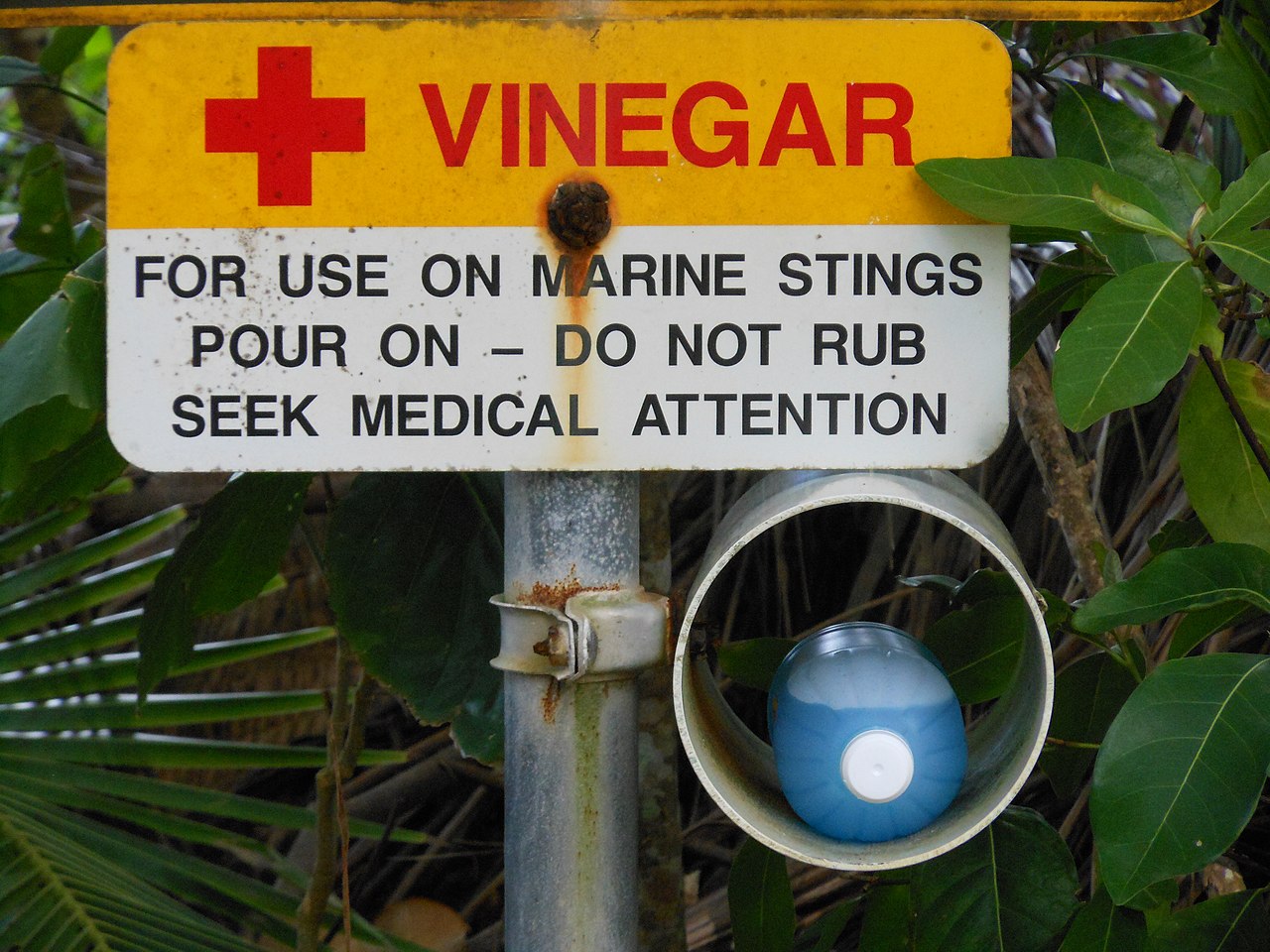
Box jellyfish venom is delivered through nematocysts clustered on tentacles and can be highly toxic. Envenomation causes intense pain and, in the most severe cases, systemic effects that may include cardiovascular collapse. Medical risk is species-dependent; one of the largest and most notorious species is Chironex fleckeri, linked historically to fatal human incidents. For general safety information consult sources on dangerous jellyfish and emergency care. First-aid protocols commonly recommend applying vinegar to deactivate undischarged nematocysts and then careful removal of tentacle material—after which definitive medical treatment, including antivenom when indicated, should be sought; see guidance at first-aid recommendations and material about cardiotoxic risk related to heart failure.
Distribution, habitat and behaviour
Box jellies are mainly found in warm, coastal waters of the tropics and subtropics around the world. They inhabit open water and nearshore zones such as mangroves and reefs, where currents and tides influence their movement. Their activity is often seasonal and linked to water temperature and breeding cycles; swimmers and coastal managers in affected regions monitor for increased presence.
Life cycle, human significance and notable facts
The life cycle of cubozoans includes sessile polyp stages and free-swimming medusae; polyps can bud to produce juvenile medusae, a pattern shared with other cnidarians. Box jellies are ecologically important predators of small fish and invertebrates. Despite their small number of species, their sophisticated sensory equipment, active hunting behavior, and medically significant venom make them notable subjects of biological and medical study. For taxonomy, natural history and conservation notes see broader resources such as regional marine guides and curated databases on Cubozoa, while educational overviews may be found at general marine biology pages listing species and public health advisories on envenomation. Additional background and research updates are available through scientific summaries and institutional pages on sensory anatomy, ocular structure, and eye counts and behavior.
- Key safety step: apply vinegar to stung area before attempting to remove tentacles (vinegar first aid).
- Notable species: Chironex fleckeri—large and potentially lethal; consult local advisories (dangerous species list).
- Research areas: venom composition, visual ecology and improved clinical treatments (cardiotoxicity research).
Questions and answers
Q: What are Cubozoa?
A: Cubozoa are a class of Cnidarians, consisting of 19 species of box jellyfish, known for their powerful venom.
Q: How many legs do Cubozoa have and what are they used for?
A: Cubozoa have four legs or pedalia hanging from the corners, which are used to move through the water to actively hunt prey, and from which tentacles hang.
Q: How many eyes do Cubozoa have and what is their purpose?
A: Cubozoa have up to 26 eyes, with two main eyes on each of the four pedalia, each with a lens, retina, and cornea, allowing them a degree of sight to hunt prey.
Q: Where are box jellies found?
A: Box jellies are found in tropical oceanic waters around the world.
Q: How does the venom of box jellies affect humans?
A: Box jellies deliver venom through stinging nematocysts, which cluster on their tentacles, causing agonizing pain, and heart failure is a danger.
Q: How can an attack from a box jelly be treated?
A: An attack can be treated by first applying vinegar, then removing stingers, and finally applying anti-venom.
Q: What is the largest species of box jellyfish and why is it dangerous?
A: The largest species of box jellyfish is Chironex fleckeri, which has caused many human deaths due to its powerful venom.
Related articles
Author
AlegsaOnline.com Box jellyfish (Cubozoa): biology, venom, and human interactions Leandro Alegsa
URL: https://en.alegsaonline.com/art/13481
Sources
- pubmed.ncbi.nlm.nih.gov : 2574410
- doi.org : 10.1046/j.1442-2026.2000.00151.x