
Aquarium
An aquarium is a controlled aquatic environment where fish and other water-dwelling animals are kept for display, study, conservation, or as a hobby, ranging from small home tanks to large public exhibits.
An aquarium is an enclosed, human-made aquatic environment used to house fish and other animals that live in water. The term covers a wide range of scales and purposes: a small glass tank in a living room, professionally run laboratory systems, and large public facilities housed in a building. The name is commonly given in the plural as aquariums or aquaria. Aquaria are maintained by humans who control the environment to support the needs of the organisms.
Image gallery
10 Images




Typical components and characteristics
Whether modest or complex, most aquaria share basic parts. A transparent container holds water and a combination of equipment keeps conditions stable. Key elements include:
- Water volume and substrate: the tank itself and the bottom layer, chosen to suit the species.
- Filtration and biological support: mechanical, chemical and biological filters that help maintain water quality and support colonies of beneficial bacteria.
- Heating, cooling and lighting: heaters or chillers for temperature control and lighting that supports animal behavior and, for planted or reef systems, photosynthesis.
- Food and nutrition: appropriate food types and feeding schedules suited to the inhabitants.
- Decor and habitat simulation: plants, rocks, and structures that recreate aspects of natural natural habitats and provide shelter or breeding sites.
Types and distinctions
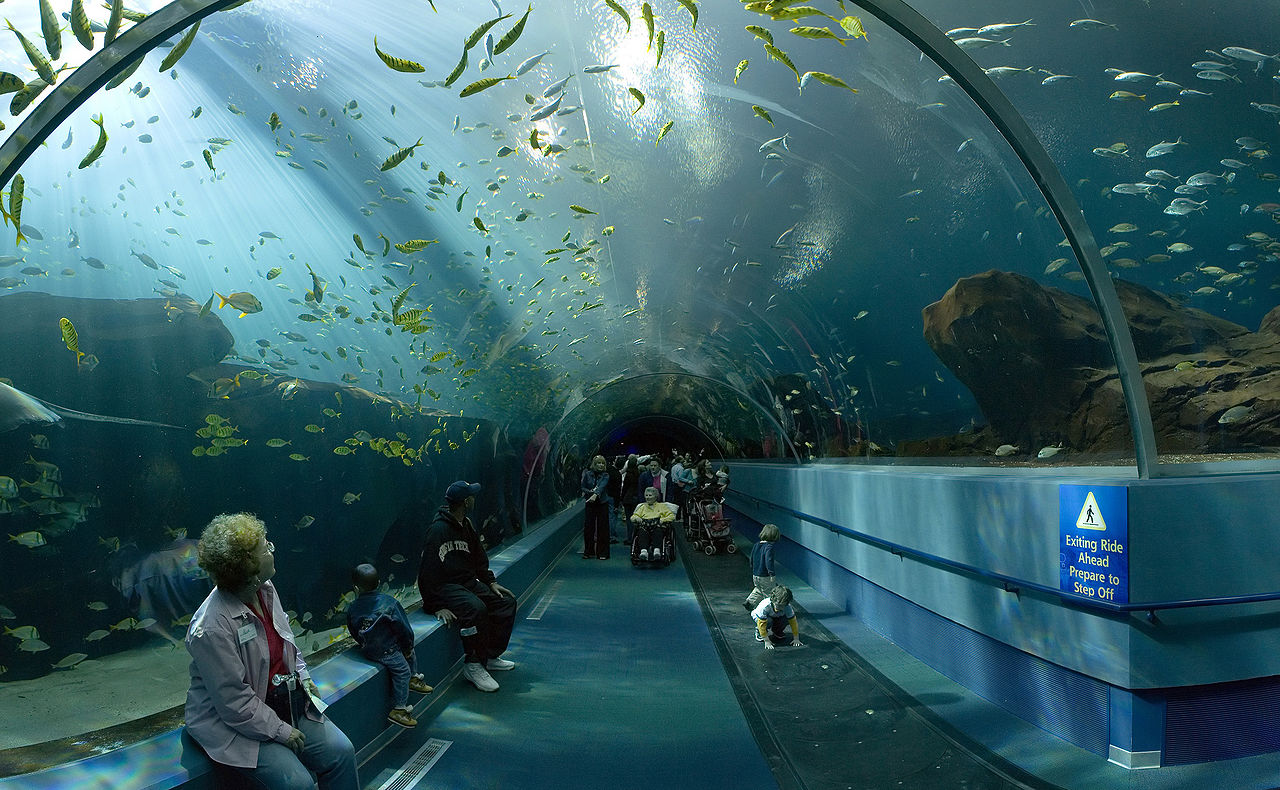
Aquaria are often classified by water chemistry, scale, or purpose. Freshwater and marine systems require different approaches; within marine setups, reef aquaria that house corals are among the most technically demanding. Other distinctions include planted aquaria emphasizing live aquatic plants, community tanks that mix compatible species, breeding systems focused on reproduction, and nano tanks that use very small volumes. Larger public aquaria can display ecosystems at scale and are often arranged to tell ecological or geographic stories.
History and development
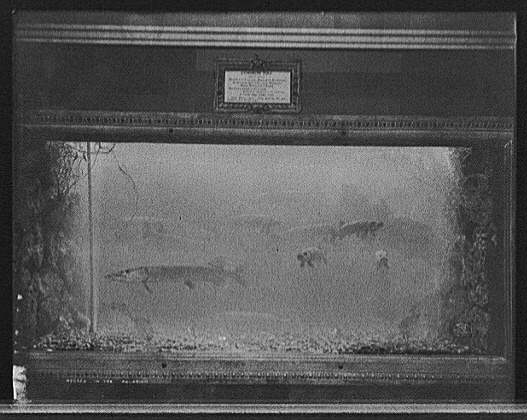
The aquarium hobby and public exhibits became widely known in the 19th century. Naturalists popularized the idea of keeping small slices of aquatic world in glass containers, and the word "aquarium" entered common usage around that period. Over time, improvements in glass, pumps, filtration, lighting and water chemistry knowledge transformed hobbyist and professional practice, allowing for diverse captive ecosystems, from simple goldfish bowls to complex reef displays.
Uses, education and conservation
Many people keep aquaria as a hobby, finding them rewarding for relaxation, education and observation. Public aquaria attract tourists and provide outreach programs; they may participate in research, species recovery, and captive breeding for imperiled species to reduce the risk of extinction. A well-known example of a large public facility is the Sydney Aquarium in Sydney, New South Wales, Australia, which combines display, education and conservation activities.
Maintenance and best practices
Successful aquarium keeping requires regular attention to the environment: monitoring parameters such as temperature, pH and ammonia; performing routine water changes; avoiding overfeeding; and ensuring compatibility among inhabitants. A basic understanding of the nitrogen cycle and biological filtration is central to preventing stress and disease. For beginners, simple freshwater community tanks are commonly recommended; more advanced hobbyists may pursue planted aquascapes or marine reef systems that demand greater technical skill.
Tags
Related articles
Author
AlegsaOnline.com Aquarium Leandro Alegsa
URL: https://en.alegsaonline.com/art/5090