
Tentacle (limblike organ found in animals and plants)
A tentacle is a flexible, elongated organ used by various animals and some plants for sensing, grasping, feeding and locomotion. This article describes forms, structure, examples, and biological roles.
Overview
A tentacle is an elongated, flexible appendage that projects from the body of certain animals and a few plants. Although often compared to an arm, tentacles differ in stiffness, internal structure and typical functions. They serve as tools for feeling the environment, capturing prey, manipulating objects and sometimes aiding movement.
Image gallery
7 Images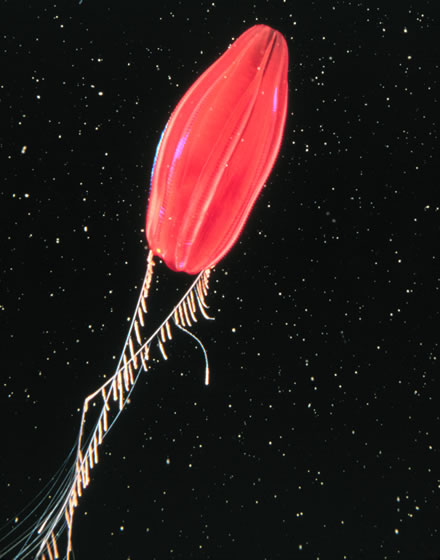


Structure and characteristics
Tentacles vary widely in anatomy. In many invertebrates they are muscular and supplied with nerves and sensory cells; some have suckers, hooks or adhesive pads. Cephalopod examples such as the squid possess tentacles specialized for rapid extension and prey capture, while cnidarians such as sea anemones and hydras have tentacles bearing stinging cells for immobilizing food.
Common functions
- Sensory sampling: detecting chemicals, touch and movement.
- Prey capture: grasping or paralyzing animals for feeding.
- Manipulation: moving objects, building shelters or handling eggs.
- Locomotion and anchoring: in some species tentacles help swim or hold position.
Examples across life forms
Notable animal tentacles appear in mollusks, cnidarians and other groups. Cephalopods use a combination of arms and tentacles for feeding and exploration. Some plants classified as carnivorous develop sticky, hairlike tentacles; the sundew genus Drosera exemplifies plant tentacles that trap insects by bending and secreting digestive enzymes.
History, evolution and distinctions
Tentacles are an example of convergent evolution: superficially similar organs have evolved independently in unrelated lineages to solve comparable problems. Distinctions include whether a tentacle contains a rigid skeleton, specialized adhesive structures, or venomous cells. Terminology also varies—terms like "arm," "feelers" or "pseudopods" may be used for related but different structures.
Importance and notable facts
Tentacles play key ecological roles as predators, prey-handlers and sensory organs; they have inspired robotics and biomimetic designs because of their combination of flexibility, reach and control. Understanding tentacle diversity helps illuminate feeding strategies, habitat use and evolutionary innovation across both animals and a few plant groups.
Related articles
Author
AlegsaOnline.com Tentacle (limblike organ found in animals and plants) Leandro Alegsa
URL: https://en.alegsaonline.com/art/97035