
Hurricane Noel (2007): formation, impact and post‑tropical transition
Overview of Hurricane Noel, a late‑October 2007 Atlantic storm that caused widespread flooding and deadly landslides in Hispaniola and later became a powerful post‑tropical low affecting New England and eastern Canada.
Overview
Hurricane Noel was a late‑season Atlantic cyclone in 2007 that formed on October 27 and transitioned to a powerful post‑tropical low in early November. It was the fourteenth named storm and sixth hurricane of the 2007 Atlantic hurricane season. Noel produced torrential rain, destructive floods and deadly mudslides in parts of the Caribbean, particularly Hispaniola, and later affected the Bahamas, the eastern United States and Atlantic Canada with heavy precipitation, strong winds, coastal flooding and even snowfall in some northern areas.
Image gallery
10 Images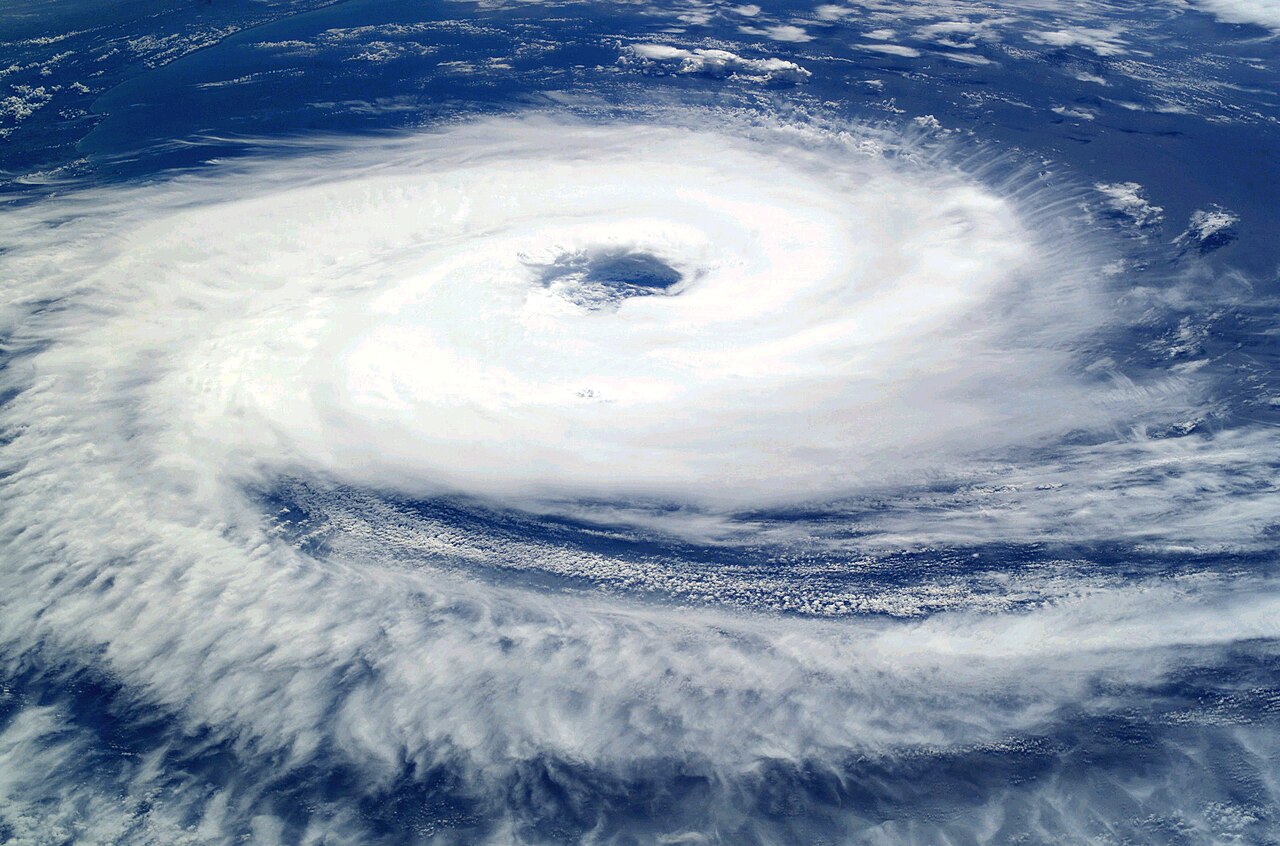


Formation and meteorological history
Noel originated on October 27 when a tropical wave interacted with an upper‑level low over the north‑central Caribbean Sea. The resulting system organized into a tropical cyclone and was designated a named storm as it moved across the southwestern Caribbean and struck land in Hispaniola and Cuba. The system reached sustained winds of roughly 60 mph (95 km/h) while still tropical in character before weakening over land and later reemerging over open water. It turned northward, strengthened and was upgraded to hurricane status on November 1. As Noel moved into higher latitudes it underwent extratropical transition, accelerating northeastward and losing tropical characteristics; the transition was largely complete by November 2, though meteorological agencies recorded slightly different timings. The Canadian Hurricane Centre treated Noel as post‑tropical for a period and noted the loss of tropical features as late as 2200 UTC on November 4.
Track and timeline
The cyclone followed a path typical of late‑season storms that form in the western Caribbean: development over warm waters, westward or northwestward movement into Hispaniola and Cuba, temporary weakening over land, and then recurvature to the north and northeast as it encountered stronger mid‑latitude winds. After leaving the Bahamas the system interacted with a mid‑latitude trough and baroclinic zone, expanding its wind field and transforming into a potent extratropical low. During this phase the storm's impacts shifted from localized tropical rainfall and convective activity to broader wind and rain fields associated with mid‑latitude dynamics.
Impacts in the Caribbean
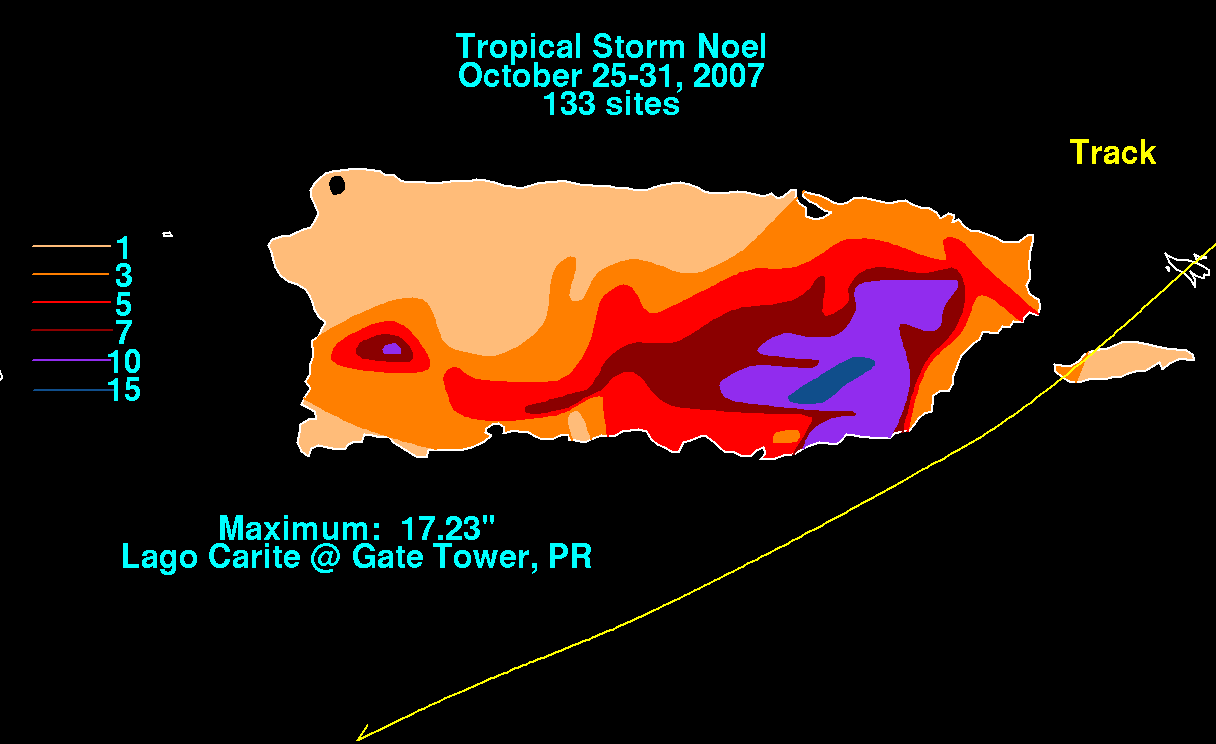
Noel's heaviest effects were in Hispaniola, where mountainous terrain, saturated soils and areas of deforestation contributed to rapid runoff, severe flooding and catastrophic landslides. The storm caused at least 169 deaths across affected countries, the majority occurring in Haiti and the Dominican Republic, making it the deadliest Atlantic hurricane of the 2007 season. Entire communities were flooded or buried by mudflows, homes and infrastructure were damaged or destroyed, agricultural production was disrupted, and roads and bridges were made impassable. Cuba and the Bahamas also reported storm damage, coastal flooding and power outages as the system passed or brushed those islands.
Impacts in the United States and Canada
After becoming post‑tropical, Noel affected parts of the U.S. East Coast and Atlantic Canada. The remnant low produced strong sustained winds and gusts, heavy rain, and coastal flooding in portions of New England, particularly Maine. In eastern Canada the system brought damaging winds, heavy precipitation and localized flooding across Nova Scotia, New Brunswick, Newfoundland and Labrador. In some inland and higher‑latitude areas the influx of cold air behind the system produced snowfall in eastern Quebec and Labrador—an unusual but documented outcome when a strong post‑tropical low taps Arctic air.
Humanitarian response and aftermath
Emergency responses in the Caribbean included search and rescue operations, evacuations from flood‑prone and landslide‑prone areas, temporary shelters for displaced people, and efforts to restore water, sanitation and electricity. National governments, local agencies and international relief organizations provided aid, supplies and assessments. The storm highlighted ongoing vulnerabilities in mountainous, deforested and economically disadvantaged regions, underscoring the importance of early warning systems, land‑use management, and resilient infrastructure to reduce the risk from heavy rainfall and slope failures.
Meteorological significance and lessons
Noel demonstrated how late‑season tropical cyclones can exhibit hybrid behavior: combining tropical convection with baroclinic processes as they move into the mid‑latitudes. Such transitions often expand the storm's wind field and alter its precipitation distribution, producing widespread impacts well away from the storm center. Noel is cited in meteorological discussions of extratropical transition and the hazards posed by heavy rainfall over vulnerable terrain. The event also reinforced the need for coordinated forecasting and communication when a tropical system threatens multiple countries and undergoes a change in character.
References and further reading
- Season summary and storm list
- Formation and advisory archive
- Tropical wave background
- Upper‑level low analysis
- Initial landfall reports
- Impact on Haiti
- Hurricane upgrade timeline
- Extratropical transition details
- Post‑tropical classification notes
- Canadian Hurricane Centre statements
- Timing of tropical characteristic loss
- Hispaniola impact summary
- Flooding and rainfall data
- Landslide reports
- Seasonal fatality comparisons
- Post‑tropical low analysis
- Effects in Maine and New England
- Eastern Canada impacts
- Snowfall in Quebec
- Conditions in Labrador and final analyses
Related articles
Author
AlegsaOnline.com Hurricane Noel (2007): formation, impact and post‑tropical transition Leandro Alegsa
URL: https://en.alegsaonline.com/art/45960
Sources
- noaanews.noaa.gov : noaanews.noaa.gov
- commons.wikimedia.org : Commons