
Hurricane Tomas (2010) — Eastern Caribbean storm, impacts and legacy
Hurricane Tomas was a late-2010 Atlantic hurricane that traversed the eastern Caribbean. It reached Category 2 strength, caused dozens of deaths, substantial damage, and had its name retired afterward.
Overview
Hurricane Tomas was the nineteenth named storm and the twelfth hurricane of the 2010 Atlantic hurricane season. It developed over the central Atlantic and moved through the eastern Caribbean, reaching peak sustained winds near 100 mph, which classifies it as a Category 2 hurricane at peak intensity. For a concise operational summary see the storm report and the broader context of the 2010 season.
Image gallery
7 Images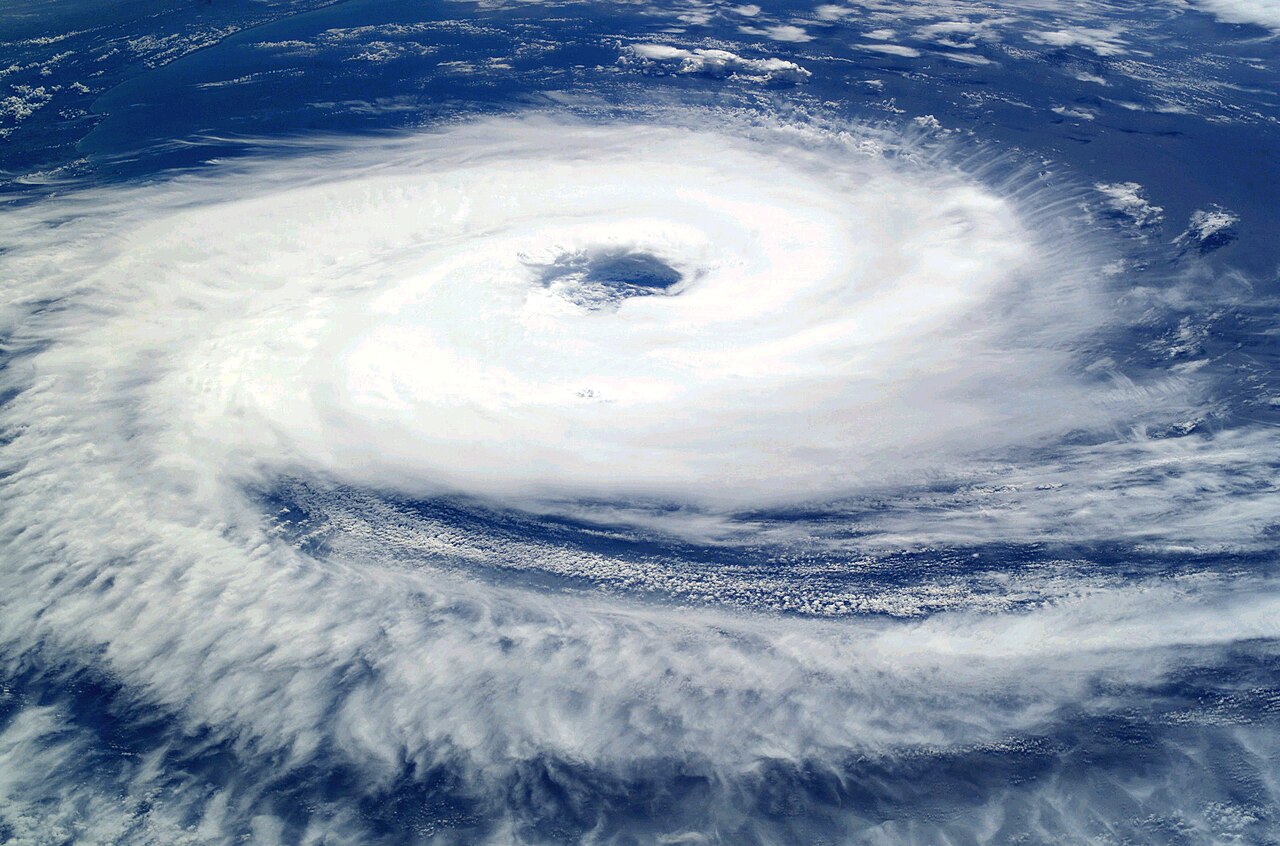


Meteorological characteristics
Tomas exhibited the structure of a mature tropical cyclone with a compact core of strong winds and an eyewall when it reached its maximum intensity. Wind speeds of roughly 100 mph placed it solidly within the Category 2 range on the Saffir–Simpson scale. Its strength fluctuated as it interacted with land and with varying environmental conditions, a common behavior for storms traversing the island-dotted Caribbean.
Track and areas affected
The storm tracked across or near several islands in the eastern Caribbean and impacted larger landmasses as it moved westward. The countries and territories most affected included parts of Cuba and the island of Hispaniola (the island shared by Haiti and the Dominican Republic). Local effects ranged from heavy rainfall and flooding to high winds and coastal impacts. Regional summaries and country reports provide more detail on individual locations; see reports for Cuba and Hispaniola.
Human and economic impact
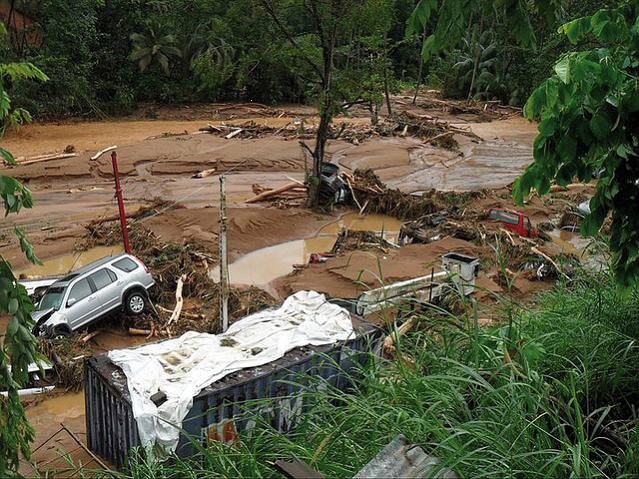
Hurricane Tomas caused significant human and material losses. Across the region, authorities reported that the storm was responsible for approximately 65 fatalities, with most deaths occurring in Cuba and on Hispaniola. Economic losses were substantial, with aggregated damage estimates around $652 million. Impacts included:
- Flooding and landslides triggered by heavy rain, which led to many of the fatalities;
- Damage to homes, crops, and infrastructure, particularly in vulnerable coastal and mountainous areas;
- Disruptions to services and local economies as recovery efforts were mounted.
Aftermath, response and legacy
Emergency response and recovery varied by country, with local and international assistance directed toward search, relief, and reconstruction. In the hurricane naming system, the name Tomas was retired from future use because of the storm's deadly and damaging effects; it was replaced by the name Tobias for subsequent lists beginning in the next cycle, to be used in the 2016 rotation. For official details on the retirement and replacement process see the naming notice at name retirement information.
Notable facts
Tomas is remembered as a late-season Caribbean hurricane that underlined the vulnerability of mountainous and coastal communities to intense rainfall and storm-driven hazards. Its impacts influenced preparedness measures and relief planning in the region and remain a point of reference in discussions about storm risk and resilience in small island states.
Related articles
Author
AlegsaOnline.com Hurricane Tomas (2010) — Eastern Caribbean storm, impacts and legacy Leandro Alegsa
URL: https://en.alegsaonline.com/art/45976