
Haiti: geography, history, culture, and contemporary challenges
Concise encyclopedia overview of Haiti: location on Hispaniola, languages, history of independence, culture (Vodou, music, cuisine), environment, administration, and socio-economic issues.
Overview
Haiti, officially the Republic of Haiti, is known in Haitian Creole as Repiblik d Ayiti and in French as République d'Haïti. It is a sovereign country located on a Caribbean island, sharing the landmass of Hispaniola with the neighboring Dominican Republic. The national capital is referred to as the capital city, Port-au-Prince, which is the political and economic center of the nation.
Image gallery
10 Images





Geography and environment
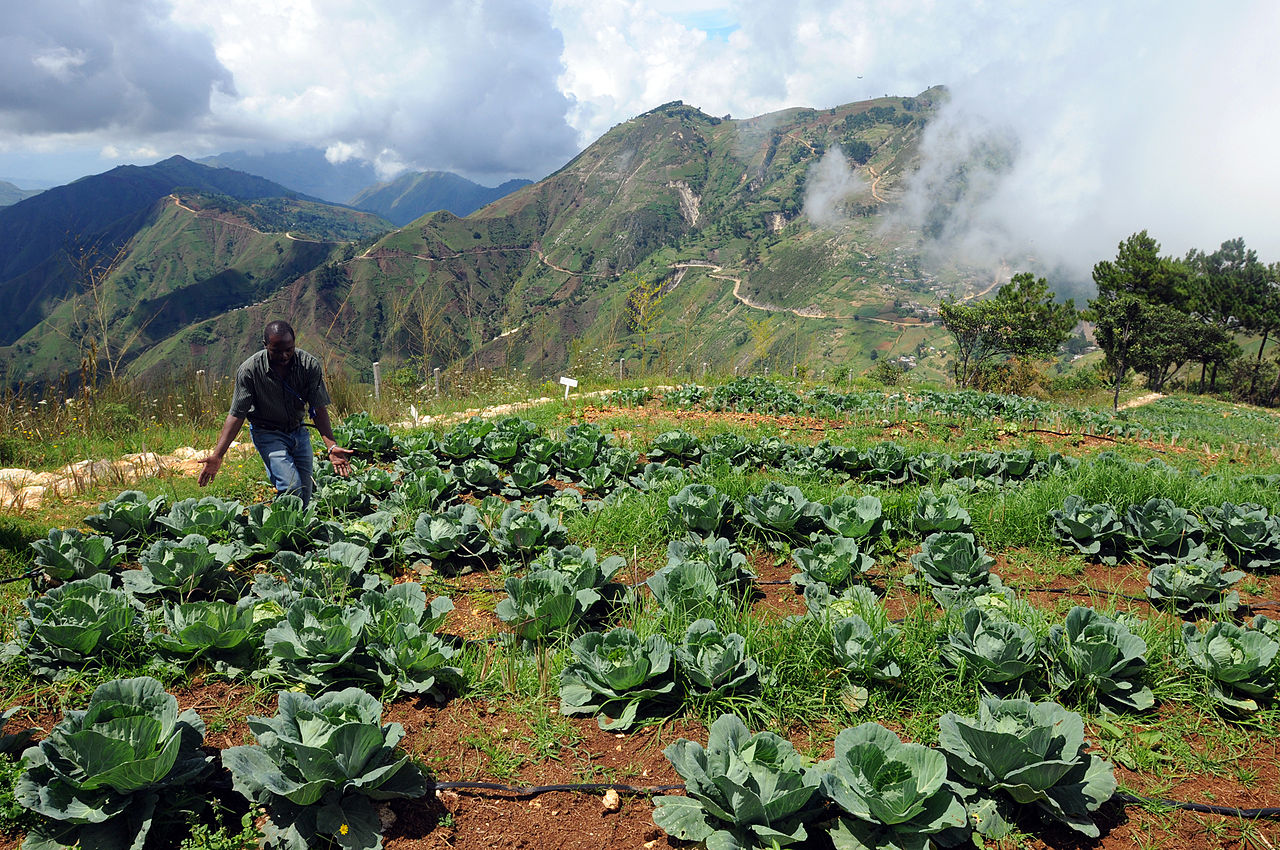
Haiti occupies a mountainous terrain with many steep ridges and valleys; its landscape includes several notable ranges and peaks, often collectively described as mountains. The climate is predominantly tropical, with coastal plains, inland highlands, and variable rainfall. Historically the island supported extensive forests, but widespread deforestation—driven by agricultural expansion, timber harvesting, and charcoal production—has reduced tree cover and increased soil erosion. These environmental changes, combined with the country’s geography, contribute to vulnerability to floods, landslides, hurricanes, and earthquakes.
History and nationhood
Before European contact the island was inhabited by Indigenous peoples. Colonized in the early modern period, the western part of Hispaniola became the French colony known as Saint-Domingue, which grew prosperous from plantation agriculture worked by enslaved Africans. A successful anti-slavery and anti-colonial uprising led to the establishment of an independent state in the early 19th century, and Haiti declared independence in 1804 following leaders such as Toussaint Louverture and others. That revolution remains a major historical milestone as the first successful slave revolt to produce an independent nation-state.
Language, religion, and culture
Haiti has two official languages: French and Haitian Creole. Haitian Creole developed from French vocabulary with substantial influences from West African languages and is the mother tongue of the vast majority of Haitians; French is used in formal education, government, and some media, reflecting the country’s colonial history. Religious life is diverse: the majority identify with forms of Christianity, especially Roman Catholicism and Protestant denominations, while many also participate in Haitian Vodou practices that blend West African spiritual traditions and Catholic elements. Vodou’s roots trace to cultures from West Africa, including traditions originating in the area of present-day Benin.
Government, divisions, and society
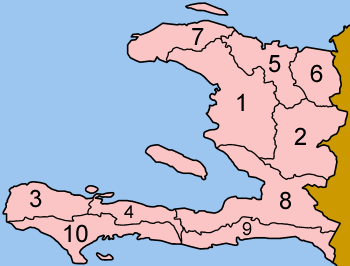
Administratively, Haiti is organized into ten departments, which are further subdivided into communes and communal sections. Cultural expression—music genres such as kompa and rara, vibrant visual arts, religious festivals, and culinary traditions—plays a central role in national life. Annual celebrations like Carnival (Mardi Gras) draw on both secular and religious customs. A considerable Haitian diaspora abroad sustains connections through migration, remittances, and cultural exchange.
Economy and contemporary challenges
The country faces long-term economic and social difficulties and is often described as one of the poorest nations in the Western Hemisphere (see more). Challenges include political instability, recurrent natural disasters, limited infrastructure, and public health needs. International aid, non-governmental organizations, and local initiatives contribute to reconstruction and development efforts. Despite hardships, Haiti’s communities demonstrate resilience through strong cultural identity, grassroots organization, and ongoing contributions to literature, art, and music that resonate regionally and globally.
Further information
Questions and answers
Q: What are the two official languages of Haiti?
A: The two official languages of Haiti are French and Haitian Creole, or "Kreyol".
Q: What is the capital city of Haiti?
A: The capital city of Haiti is Port-au-Prince.
Q: How is Haiti described in French?
A: In French, Haiti is referred to as "La Perle des Antilles" (The pearl of the Antilles).
Q: What type of climate does Haiti have?
A: Haiti has a tropical climate.
Q: Are there forests in Haiti?
A: There used to be many forests in Haiti, but due to deforestation it no longer has them.
Q: What is the main religion practiced in Haiti?
A: The main religion practiced in Haitians is Roman Catholicism. However, many Haitians also practice Voodoo.
Q: What holiday do Haitians celebrate that is most important?
A: The largest and most important holiday celebrated by Haitians is Mardi Gras.
Related articles
Author
AlegsaOnline.com Haiti: geography, history, culture, and contemporary challenges Leandro Alegsa
URL: https://en.alegsaonline.com/art/41813
Sources
- haiti-reference.com : "Article 4 of the Constitution"
- haitiobserver.com : "After The Group Of G8, Now Come G30 Headed By Louko Desir"
- cia.gov : "Haiti"
- esa.un.org : "World Population Prospects: The 2017 Revision"
- imf.org : "Haiti"
- data.worldbank.org : "Gini Index"
- hdr.undp.org : "2016 Human Development Report"
- yale.edu : "Hispaniola - Columbus"
- entomology.montana.edu : The Haitian Debacle: Yellow Fever and the Fate of the French
- ccet.louisiana.edu : Haitians
- earthquake.usgs.gov : "Magnitude 7.0 – Haiti Region"
- telegraph.co.uk : "Major earthquake off Haiti causes hospital to collapse – Telegraph"
- reuters.com : "Haiti says 200,000 may be dead, violence breaks out - Reuters"