
Hurricane Pauline (1997)
Powerful October 1997 eastern Pacific Category 4 hurricane that struck southwestern Mexico, producing catastrophic flooding, landslides and hundreds of fatalities; the name was later retired.
Overview
Hurricane Pauline was a rapidly intensifying tropical cyclone in the eastern North Pacific during October 1997. It became a major Category 4 hurricane on the Saffir–Simpson scale and moved close to the southwestern coast of Mexico, producing torrential rains, strong winds and destructive storm surge. Pauline is remembered as one of the deadliest Pacific hurricanes of the 1990s and prompted substantial local and national emergency response.
Image gallery
7 Images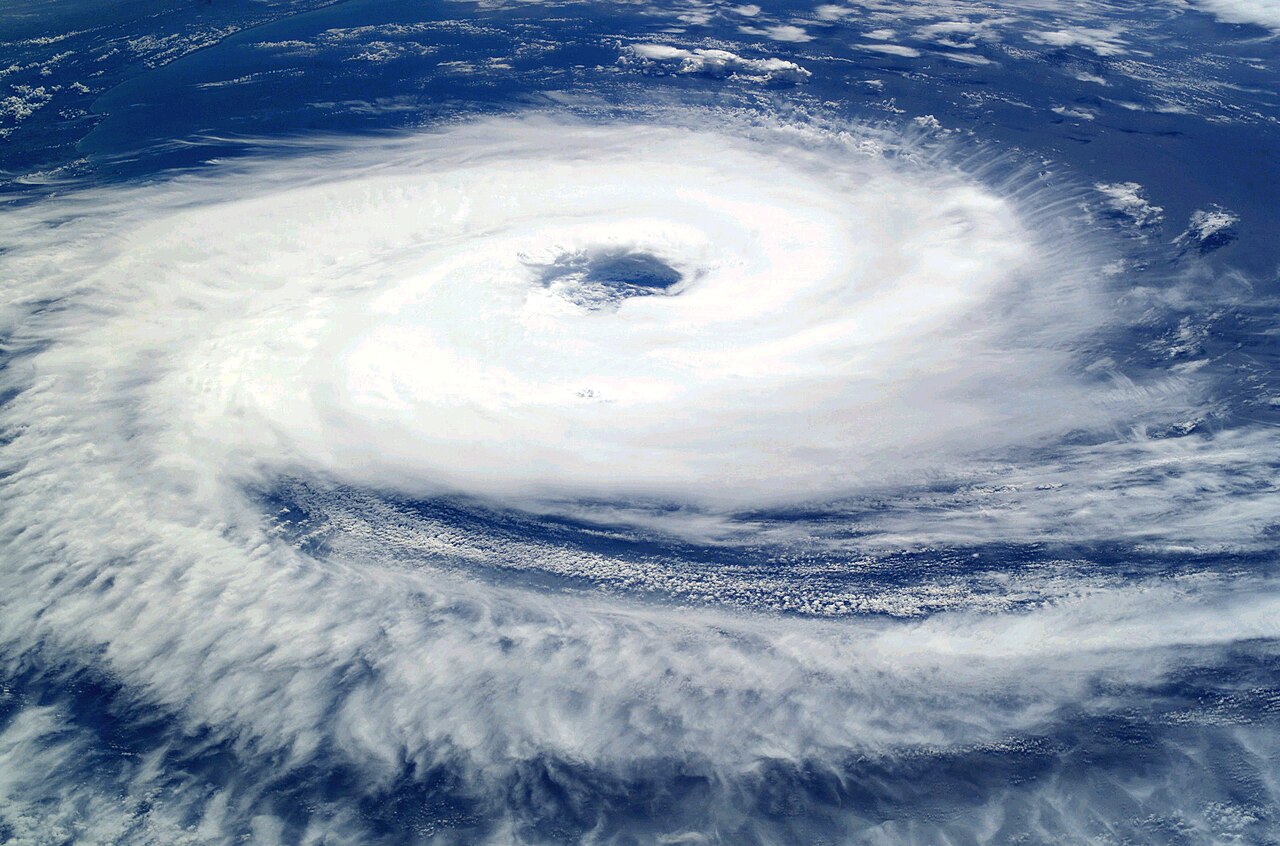


Meteorological history and characteristics
Pauline originated from a tropical disturbance that organized in early October 1997. The system strengthened quickly, reaching major hurricane strength within about a day and peaking as a Category 4 storm. After a brief weakening phase it re-intensified while tracking roughly parallel to the Mexican coastline. The storm’s most hazardous features were intense rainfall rates over mountainous terrain, which amplified flood and landslide hazards even where sustained wind damage remained localized.
Impacts and human toll
The greatest impacts occurred where steep coastal slopes and narrow river valleys concentrated runoff. Heavy precipitation caused widespread flooding and numerous landslides that destroyed homes, blocked roads and cut utilities. Urban coastal areas, including the resort city of Acapulco, experienced significant damage to infrastructure and buildings. Estimates of fatalities vary by source; many reports indicate that several hundred people lost their lives, with commonly cited figures in the few-hundred range.
Damage, response and recovery
Damage from Pauline included collapsed houses, washed-out bridges and disrupted communications and transportation. Local governments, national agencies and non-governmental organizations carried out search, rescue and relief operations, providing shelter, food and medical assistance to affected communities. Recovery involved clearing debris, restoring services and rebuilding affected infrastructure—an effort that took months in the hardest-hit locations.
Notable facts and legacy
- Rapid intensification: Pauline is an example of a storm that strengthened quickly in favorable environmental conditions, underscoring forecasting challenges.
- Principal hazard: Although winds were strong, rainfall-induced floods and mudflows were the primary causes of casualties and damage.
- Name retirement: Because of the storm’s severity, the name Pauline was retired from future Pacific name lists and later replaced by Patricia.
Further reading
Contemporary analyses and post-storm reports provide more detailed meteorological data and damage assessments; consult official storm reports and historical season summaries for technical details and timelines. For season context see 1997 Pacific hurricane season summaries, and for official storm advisories and reports consult archived bulletins at agency advisories and retrospective analyses at meteorological reviews. For information on name retirement and replacement see nomenclature records.
Related articles
Author
AlegsaOnline.com Hurricane Pauline (1997) Leandro Alegsa
URL: https://en.alegsaonline.com/art/45969