
Hurricane–Typhoon Paka (1997): late‑season Pacific storm that struck Guam and the Marshalls
Hurricane–Typhoon Paka was a powerful late‑season Pacific cyclone in 1997 that formed near Hawaii, crossed into the western Pacific, and caused major damage on the Marshall Islands and Guam with no reported fatalities.
Overview
Paka was a long‑lived late‑season tropical system of 1997 that began as a disturbance well to the southwest of Hawaii and later intensified into a major typhoon after crossing the International Date Line. Initially classified as a tropical cyclone in the central Pacific basin, Paka was tracked during the 1997 Pacific hurricane season and became one of the more notable storms to occur in December. The name "Paka" is a Hawaiian personal name linked here in origin only; see Hawaiian naming conventions for context.
Image gallery
9 Images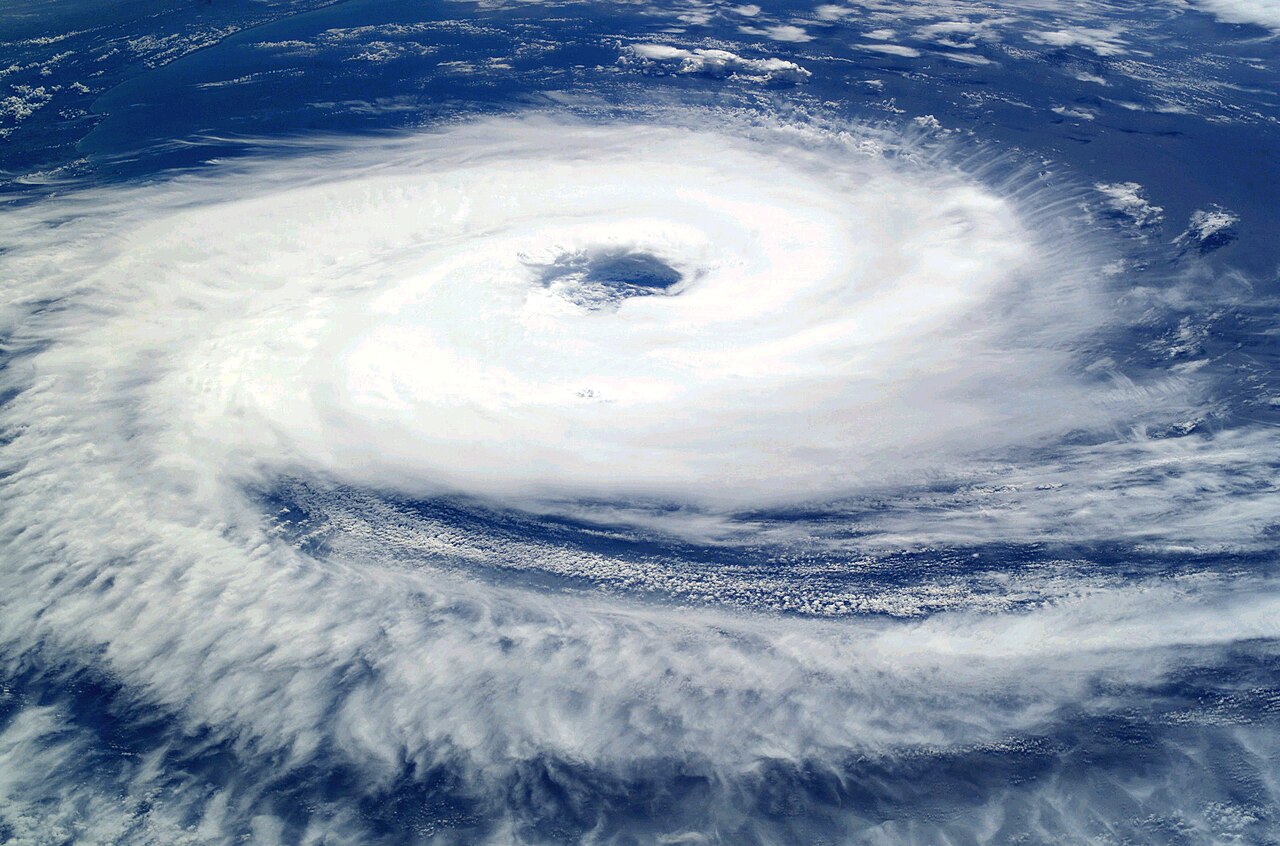


Meteorological history
The disturbance that became Paka developed from a broad trough of low pressure and was first identified on November 28 well to the southwest of Hawaii. It moved generally westward during its life, undergoing periods of intensification and weakening as environmental conditions changed. On December 7 the system crossed the 180° meridian and entered the western Pacific, where agencies designate qualifying storms as typhoons rather than hurricanes. It reached sustained typhoon strength by December 10 while affecting parts of the central Pacific island groups.
Peak intensity and track
Paka reached its most destructive phase in mid‑December. On December 16 the cyclone struck the Mariana Islands, producing maximum sustained winds estimated near 230 km/h (145 mph) as it passed across Guam and the nearby island of Rota. It continued to strengthen over open water and achieved peak winds around December 18, before entering a steady weakening trend and finally dissipating on December 23. The system’s passage was notable for both its intensity at unusual season timing and for the significant wind and rain impacts on small islands.
Impacts and damage
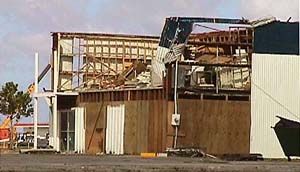
Damage from Paka was concentrated on low‑lying Pacific islands. The Marshall Islands received heavy rainfall and wind damage, with losses reported in the tens of millions of dollars. Guam bore the brunt of the storm when the eyewall moved across the island chain: strong winds and storm surge severely damaged or destroyed many buildings, leaving thousands homeless and causing widespread infrastructure failure, including an extended power outage on the main island. Total damage on Guam was on the order of several hundred million US dollars (1997 values). The storm caused light to moderate damage in the Northern Mariana Islands as well. Despite the severity of the impacts, there were no confirmed deaths attributed to Paka in official summaries.
Aftermath and legacy
In the weeks and months after the event, relief and rebuilding efforts focused on restoring power, repairing homes, and strengthening public infrastructure to better withstand future typhoons. Because of the degree of destruction on Guam, the name "Paka" was withdrawn from the rotating list of tropical cyclone names for the region and subsequently retired in regional naming lists; see the retirement notice linked here for background on naming practice: retired. Paka is often cited in regional disaster studies as an example of a powerful late‑season storm affecting populated Pacific islands.
Notable facts and distinctions
- Paka began life in the central Pacific and completed much of its life cycle after crossing into the western Pacific basin, an occurrence that changes the operational designation from hurricane to typhoon for the same system.
- The storm’s December timing placed it among the stronger tropical cyclones observed in the Pacific during that month, illustrating that significant tropical activity can occur outside the climatological peak.
- Key dates in Paka’s evolution: formation on November 28, basin crossing on December 7, typhoon status by December 10, Guam impact on December 16, peak on December 18, and dissipation on December 23.
For summaries of the storm’s track and technical analyses, consult storm reports and regional post‑event assessments maintained by meteorological agencies and emergency management organizations: central Pacific operational summaries are available through regional archives and discussions surrounding tropical cyclone behavior in the Pacific basin provide broader context for Paka’s characteristics. Historical comparisons often reference impacts on Guam and recovery timelines for the island communities affected by December storms.
Related articles
Author
AlegsaOnline.com Hurricane–Typhoon Paka (1997): late‑season Pacific storm that struck Guam and the Marshalls Leandro Alegsa
URL: https://en.alegsaonline.com/art/45977
Sources
- jma.go.jp : "Best Track for Western North Pacific Tropical Cyclones"
- prh.noaa.gov : "The 1997 Central Pacific Tropical Cyclone Season"
- commons.wikimedia.org : Commons