
Hurricane Paloma (2008 Atlantic hurricane)
A late-season major hurricane in November 2008, Paloma was the last storm of the year and produced significant damage across the Cayman Islands, Cuba, and Jamaica with one reported death.
Overview
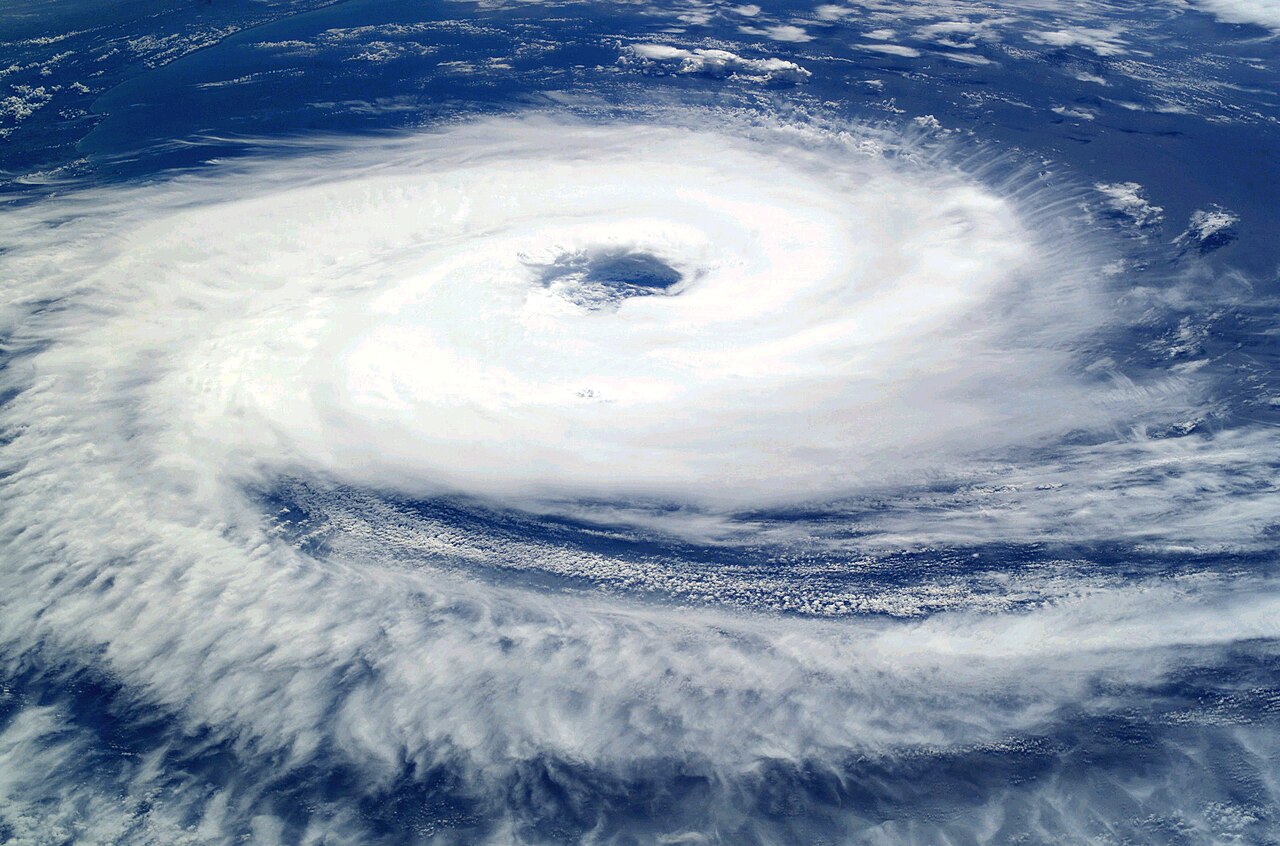
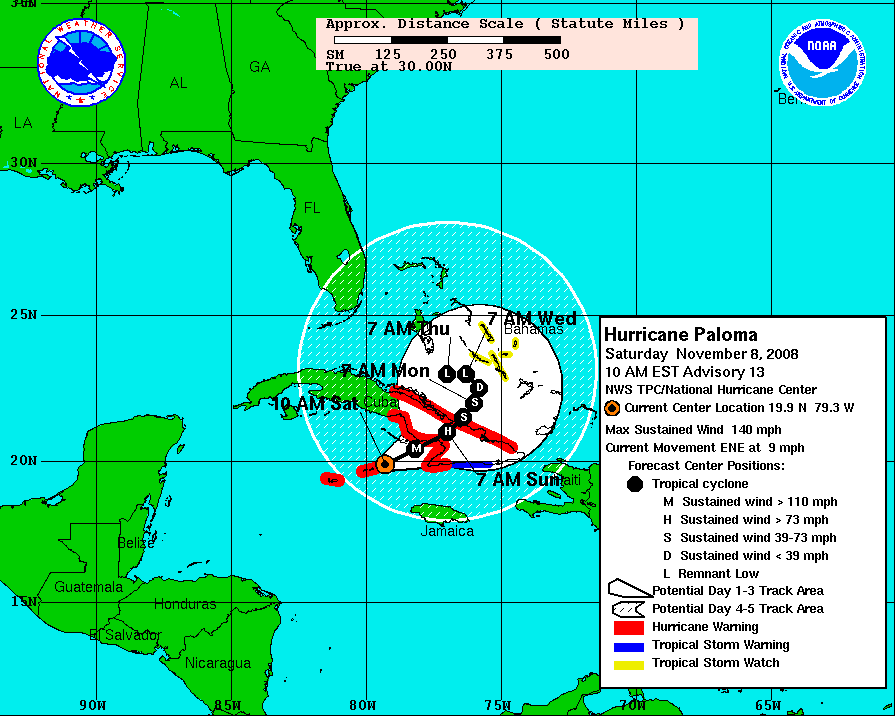
Hurricane Paloma was a late-season tropical cyclone of the 2008 Atlantic basin. It was the seventeenth tropical cyclone, sixteenth named storm, eighth hurricane and fifth major hurricane of the 2008 Atlantic hurricane season. Paloma developed in early November and intensified rapidly, becoming one of the most intense hurricanes recorded in the month of November.
Image gallery
9 Images




Meteorological characteristics
Paloma attained major hurricane strength, meaning it reached sustained winds high enough to be classified among the strongest storm categories. Its rapid intensification shortly before and during passage near populated islands made it particularly hazardous despite its relatively brief lifetime. The hurricane was notable for occurring late in the season, when conditions typically become less favorable for powerful storms.
Impacts by region
The storm affected several Caribbean territories, producing wind damage, storm surge, and heavy rain. Reported economic losses and human impacts included:
- Cayman Islands: Damage estimated at about $15 million, affecting infrastructure and local businesses.
- Cuba: The heaviest economic loss, with reported damage near $300 million; agricultural areas and coastal communities experienced significant destruction.
- Jamaica: Relatively limited damage was reported, on the order of $100,000, though localized flooding and downed trees occurred.
Overall, the storm was responsible for one reported fatality. Emergency services and communities responded with evacuations and post-storm recovery efforts.
Aftermath and response
Following the hurricane, relief and reconstruction focused on restoring power, repairing homes and public infrastructure, and assisting affected farmers. Governments and aid organizations prioritized rapid assessments to identify the most urgent needs. The economic consequences were most pronounced in Cuba, where agricultural losses and damage to buildings increased recovery costs.
Records and notable distinctions
Paloma was the last named storm of 2008 and is remembered as one of the strongest November hurricanes in Atlantic records, second to Hurricane Lenny from 1999 in terms of intensity for that month. It also illustrated how late-season systems can undergo swift strengthening and produce concentrated impacts on small islands. For broader context and comparisons with other storms and seasons, see resources on the history of November hurricanes and regional hurricane preparedness and recovery efforts in Cuba.
Questions and answers
Q: How many tropical cyclones occurred in the 2008 Atlantic hurricane season?
A: There were 17 tropical cyclones in the 2008 Atlantic hurricane season.
Q: What was Hurricane Paloma's rank among the hurricanes in November?
A: Hurricane Paloma was the second strongest hurricane in November, only behind Hurricane Lenny in 1999.
Q: How much was the damage in the Cayman Islands caused by Hurricane Paloma?
A: The damage in the Cayman Islands caused by Hurricane Paloma totaled to $15 million.
Q: How much was the damage in Cuba caused by Hurricane Paloma?
A: The damage in Cuba caused by Hurricane Paloma totaled to $300 million.
Q: How much was the damage in Jamaica caused by Hurricane Paloma?
A: The damage in Jamaica caused by Hurricane Paloma totaled to only $100,000.
Q: How many deaths were caused by Hurricane Paloma?
A: The storm caused only 1 death.
Q: What was Hurricane Paloma's ranking in the 2008 Atlantic hurricane season in terms of being a major hurricane?
A: Hurricane Paloma was the fifth major hurricane of the 2008 Atlantic hurricane season.
Related articles
Author
AlegsaOnline.com Hurricane Paloma (2008 Atlantic hurricane) Leandro Alegsa
URL: https://en.alegsaonline.com/art/45967
Sources
- nhc.noaa.gov : nhc.noaa.gov/aboutnames.shtml