
Hurricane Otto (November 2016)
Hurricane Otto was a late‑season, destructive tropical cyclone that formed in the southwest Caribbean in November 2016, struck southern Central America, and crossed into the Pacific, causing fatalities and widespread damage.
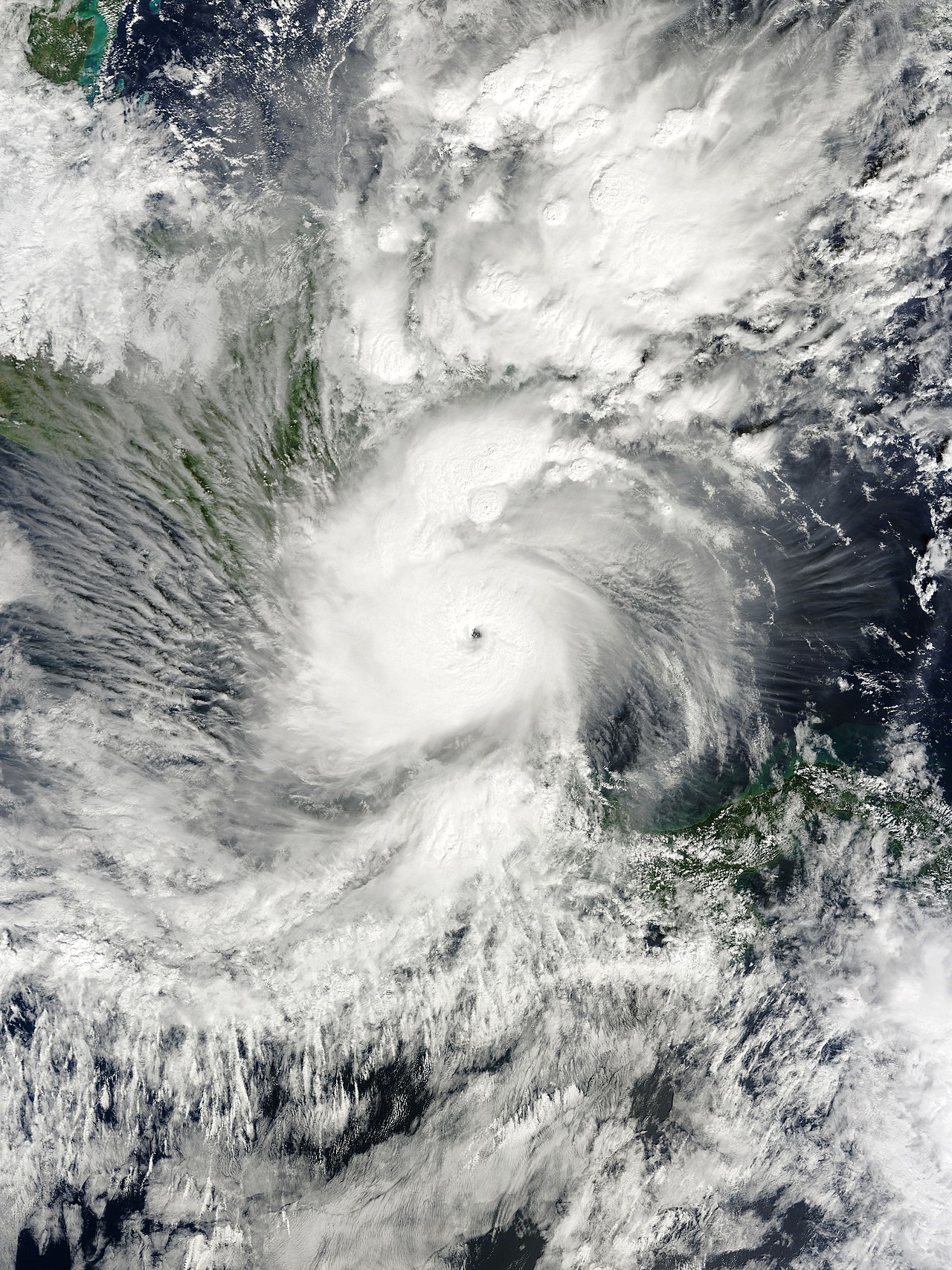
Overview: Hurricane Otto was a powerful late‑season tropical cyclone that formed in November 2016. It gained attention for being the southernmost hurricane on record to strike Central America and for surviving the uncommon crossover from the Atlantic basin to the Pacific Ocean. Media and scientific summaries noted that Otto was the first Atlantic system to persist across Central America since Hurricane Cesar–Douglas in 1996, and it originated as a tropical disturbance in the southwest Caribbean Sea.
Image gallery
9 Images


Meteorological history and path
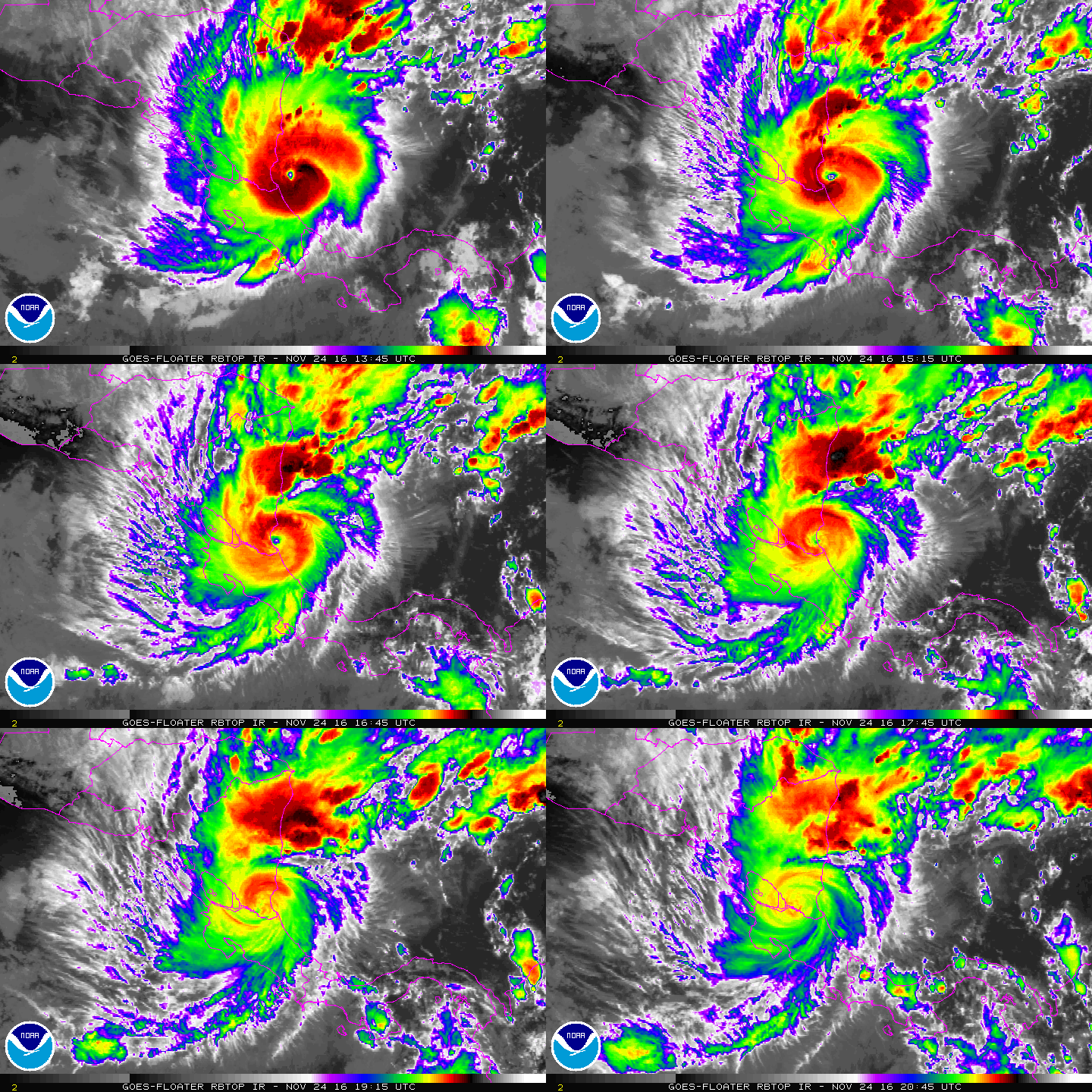
Otto developed late in the hurricane season from a low‑pressure area that organized quickly over warm waters. As it strengthened it moved westward toward the Central American isthmus, intensifying into a hurricane before making landfall. The storm affected coastal and inland areas when it reached Central America, including direct landfalls and heavy rainfall over parts of Costa Rica, southern Nicaragua, and Panama. Its survival across the narrow landmass into the Pacific made it meteorologically notable.
Impacts and casualties
Otto produced intense rainbands, storm surge along low coastal areas, and strong winds that damaged buildings, roads and crops. Flooding and landslides were reported in mountainous regions where orographic lifting enhanced rainfall. Official and media reports attributed at least 23 deaths to the storm, and thousands of people were displaced as emergency services and governments conducted evacuations and search‑and‑rescue operations.
Damage, recovery and response
Infrastructure damage included washed‑out roads and bridges, destroyed homes, and disruptions to power and communications. Agriculture and rural livelihoods suffered losses from flooding. National authorities, regional organizations and international partners provided humanitarian assistance, emergency shelter and supplies while initiating assessments to guide reconstruction. Recovery emphasized restoring access, stabilizing slopes, and repairing basic services.
Significance and notable facts
- Otto was a rare late‑season hurricane in the southwestern Caribbean, an area capable of rapid intensification when environmental conditions are favorable.
- Its landfall location set records for southernmost hurricane impact in the region, drawing scientific interest in track variability.
- Because it remained a coherent tropical cyclone while crossing Central America it became the first Atlantic storm to do so since Cesar–Douglas, an event that illustrates how narrow landmasses can permit occasional basin transfers.
For further background on tropical cyclone terminology and tracking, consult general meteorological resources or regional hurricane centers linked in contemporary summaries: Atlantic storm information and basin transition discussions at dedicated agencies. Historical reconnaissance of the storm’s behavior and humanitarian outcomes contributed to post‑event reviews and planning for future late‑season systems.
Related articles
Author
AlegsaOnline.com Hurricane Otto (November 2016) Leandro Alegsa
URL: https://en.alegsaonline.com/art/45966