
Hispaniola: geography, history and the two modern nations
Hispaniola is a large Caribbean island shared by Haiti and the Dominican Republic. This article covers its geography, peoples, colonial history, political division, culture, economy and environmental issues.
Overview
Hispaniola is one of the major islands of the Caribbean Sea. It lies east of Cuba and west of Puerto Rico. The island is notable for having two independent states on the same landmass: the Republic of Haiti in the west and the Dominican Republic in the east. Hispaniola is also one of the largest islands in the wider Caribbean region.
Image gallery
10 Images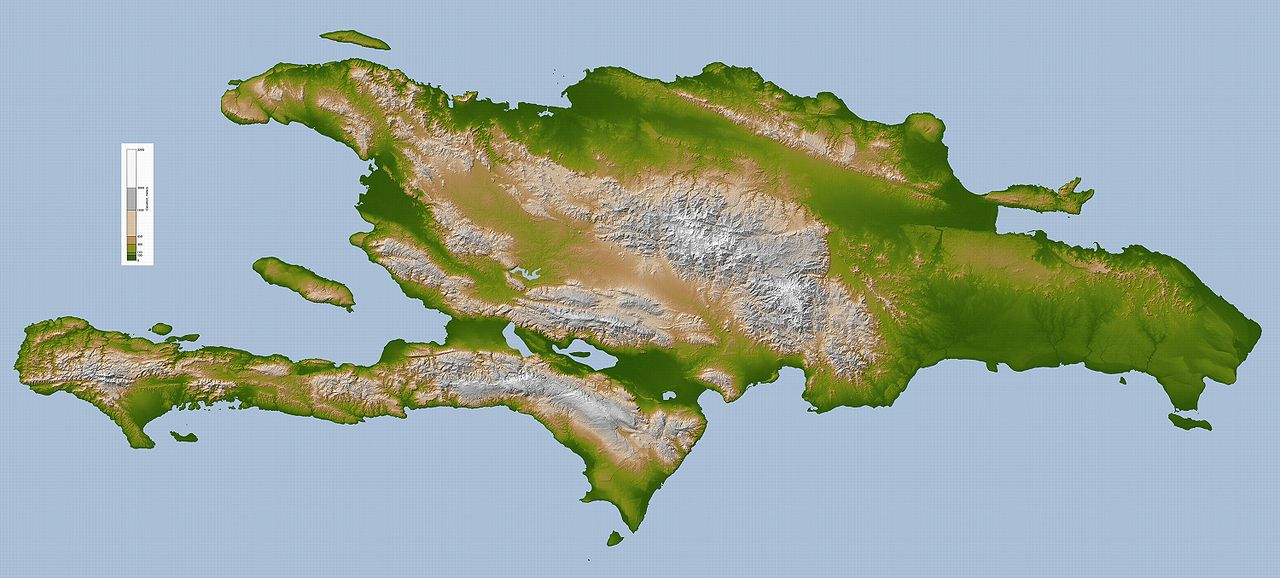


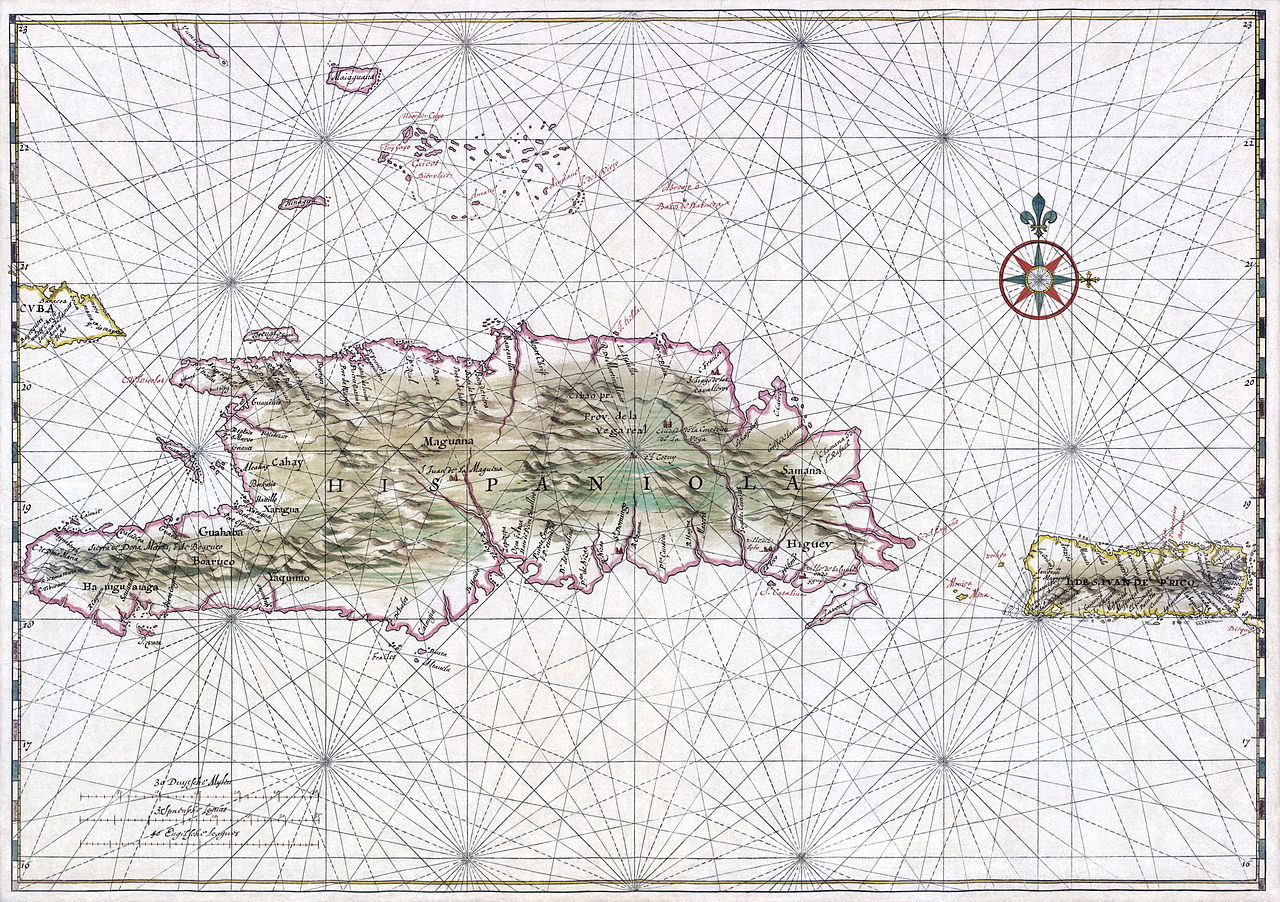


Geography and natural features
Hispaniola is geographically diverse. It includes mountain ranges, coastal plains, river valleys and several important watersheds. The climate ranges from tropical along the coasts to cooler conditions at higher elevations. The island hosts varied ecosystems — from dry forests and savannas to humid highland forests — and supports significant biodiversity, although habitat loss and deforestation have been serious concerns in parts of the island.
History and peoples
Before European contact the island was inhabited by Indigenous peoples, principally the Taíno. European arrival in the late 15th century brought profound change: Hispaniola became the site of some of the first sustained European settlements in the Americas. Colonial competition, plantation economies and the transatlantic slave trade shaped the island’s population and cultures. Revolutions and struggles for independence in the 19th century produced the modern states that now share the island.
Political division and society
The island is divided between two sovereign states. The western portion is governed by Haiti, where French and Haitian Creole are widely spoken. The eastern portion is administered by the Dominican Republic, where Spanish is the dominant language. These adjacent nations have distinct legal systems, economies and social institutions, and their border region is a focus of migration, trade and cooperation as well as tension.
Economy, culture and cities
Both countries have economies that combine agriculture, services and tourism, but their development paths differ. Major urban centers include Santo Domingo in the east and Port-au-Prince in the west; Santo Domingo is notable as one of the earliest European-founded capitals in the Americas. Cultural life on the island reflects Indigenous, African and European influences seen in music, cuisine, religion and festivals.
Significance and challenges
Hispaniola plays a central role in Caribbean history and contemporary affairs. It illustrates colonial legacies, cultural blending and the complexities of shared geography. Key challenges include environmental degradation, vulnerability to hurricanes and earthquakes, economic inequality and public-health needs. Cooperation between the two countries, regional partners and international organizations seeks to address these issues while promoting sustainable development and resilience.
- See also: the island’s role among Caribbean territories — one of the few to host two sovereign states.
- Compare with smaller divided islands such as Saint Martin.
Questions and answers
Q: Where is Hispaniola located?
A: Hispaniola is located in the Caribbean Sea.
Q: What is the size of Hispaniola compared to other West Indies islands?
A: Hispaniola is the second largest island (after Cuba) of the West Indies.
Q: What countries currently occupy Hispaniola?
A: The Republic of Haiti occupies the western three-eighths, while the Dominican Republic occupies the rest of Hispaniola.
Q: Are there any other Caribbean islands that are split between two countries?
A: Yes, the other Caribbean island that is split between two countries is Saint Martin.
Q: How does the location of Hispaniola compare to Cuba and Puerto Rico?
A: Hispaniola is located east of Cuba and west of Puerto Rico.
Q: What is the significance of Hispaniola having two countries occupying it?
A: It is one of two Caribbean islands in which there are two countries sharing its territory.
Q: What is the West Indies?
A: The West Indies is a region that includes the Caribbean islands and the surrounding coasts.
Related articles
Author
AlegsaOnline.com Hispaniola: geography, history and the two modern nations Leandro Alegsa
URL: https://en.alegsaonline.com/art/44429
Sources
- books.google.com : "Vascular Surgery: A Global Perspective"
- books.google.com : "Current Affairs November 2016 eBook"
- cia.gov : "CIA Factbook: Haiti"
- cia.gov : "CIA Factbook: Dominican Republic"
- dur.ac.uk : "Navassa: Legal Nightmares in a Biological Heaven"