
Hurricane Earl (2010): formation, track, impact, and aftermath
A summary of Hurricane Earl (2010), a long-lived Cape Verde hurricane that reached major intensity, brushed the U.S. East Coast, affected the Leeward Islands, and later struck Atlantic Canada.
Overview: Hurricane Earl (2010) was a long-lived and powerful North Atlantic hurricane that formed in late August and persisted into September. Originating from a tropical wave over the eastern Atlantic, it intensified into a major hurricane and maintained a well-defined track while moving generally west-northwest and later northeast. For detailed advisories and technical data see official storm reports.
Image gallery
10 Images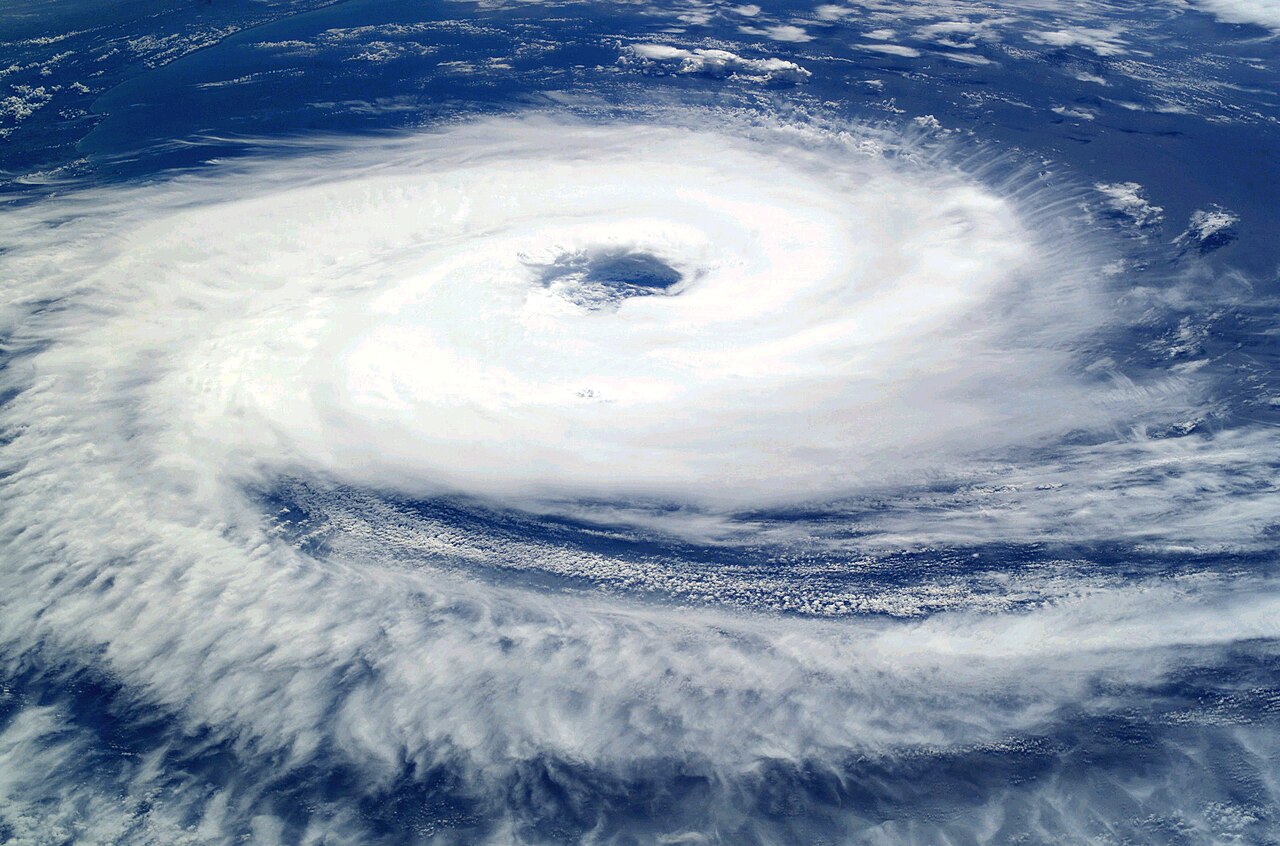


Meteorological history and characteristics
Earl developed through the classic Cape Verde pattern, becoming a compact but intense system with a clear eye at peak intensity. After reaching major hurricane strength it turned northward under the influence of mid-latitude flow and began accelerating along a recurving path. The hurricane's center passed about eighty-six miles east of North Carolina on September 3, 2010; subsequent extratropical transition and re-intensification occurred as the cyclone moved toward Nova Scotia. Researchers and post-season summaries provide track maps and analyses at technical summaries and scientific reviews.
Preparations and warnings
Coastal areas from the Leeward Islands to parts of New England received watches and warnings as Earl approached. Authorities issued evacuations, closed beaches, and positioned emergency resources in anticipation of strong surf, storm surge, and heavy rain. The storm was the first to pose a notable threat to New England since Hurricane Bob in 1991; local guidance and preparedness materials are archived by regional offices at regional advisories.
Impacts
Earl produced varying impacts along its path. The Leeward Islands experienced damaging winds, flooding, and storm-related losses estimated at about $40 million (2010 USD). The U.S. mid-Atlantic and New England coasts saw high surf, coastal erosion, and scattered power outages as the center remained offshore. Nova Scotia and adjacent parts of Atlantic Canada encountered strong winds and rainfall when the system approached, with post-landfall assessments available at Canadian reports and consolidated impact summaries at regional impact pages.
Significance and notable facts
Earl is remembered as a well-organized Cape Verde hurricane that demonstrated how a large, powerful cyclone can threaten populated coastlines without making a U.S. landfall. Its recurving track, extended life span, and impacts across multiple countries illustrate the cross-border nature of tropical cyclones. For historical comparisons, case studies and educational materials are available at storm case studies.
For more granular data, consult archived advisories, post-storm analyses, and regional emergency management summaries that document evacuations, response measures, and lessons learned from Earl's passage.
Related articles
Author
AlegsaOnline.com Hurricane Earl (2010): formation, track, impact, and aftermath Leandro Alegsa
URL: https://en.alegsaonline.com/art/45864