
Hurricane Emily (1993) — Atlantic storm overview
Atlantic hurricane active Aug 22–Sep 6, 1993. Formed from an African tropical wave, moved near Puerto Rico and toward the U.S. East Coast, producing heavy rain, flooding, and damaging winds.
Overview
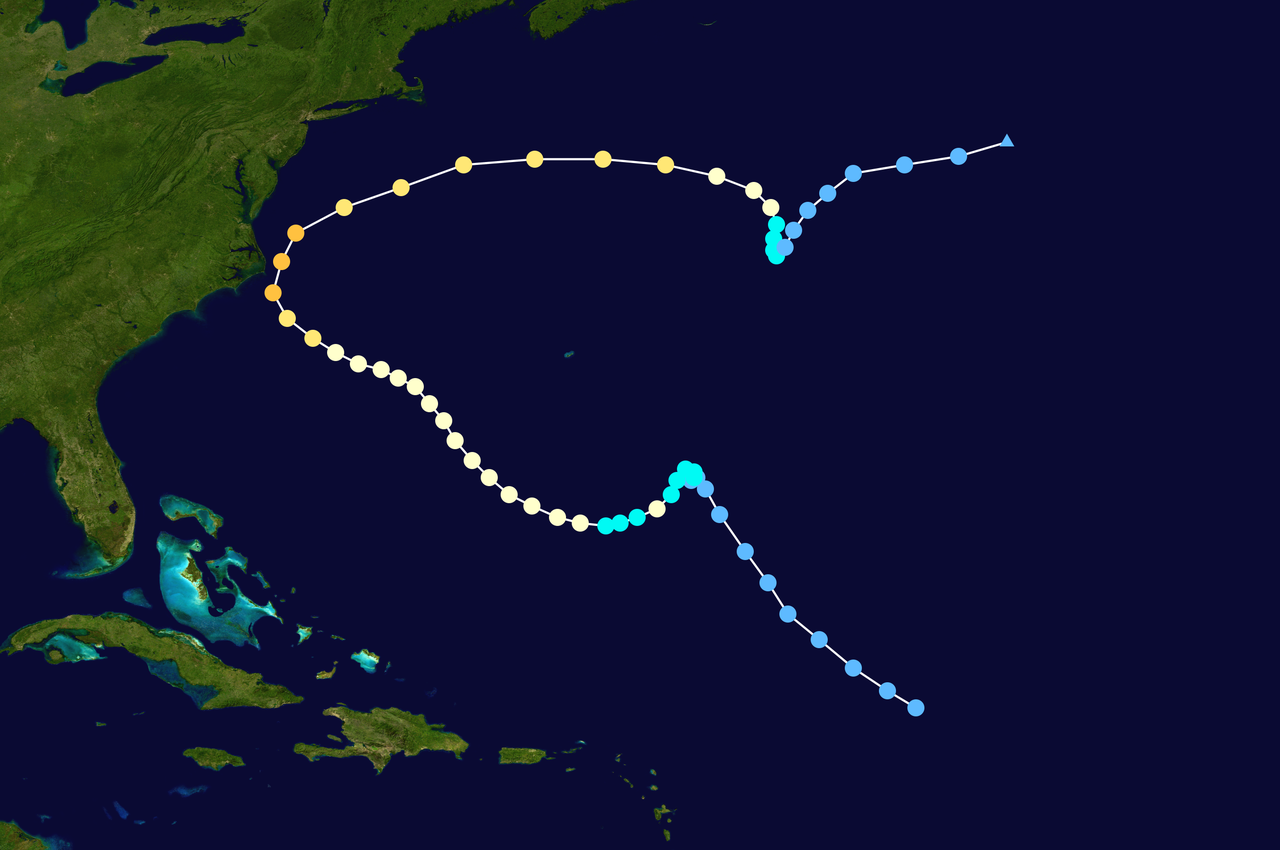
Hurricane Emily of 1993 was an Atlantic tropical cyclone that persisted from August 22 to September 6 of that year. It developed from a tropical wave that moved off the west coast of Africa and later tracked across the central and western Atlantic, bringing significant rainfall and strong winds to parts of the Caribbean and the U.S. East Coast.
Image gallery
7 Images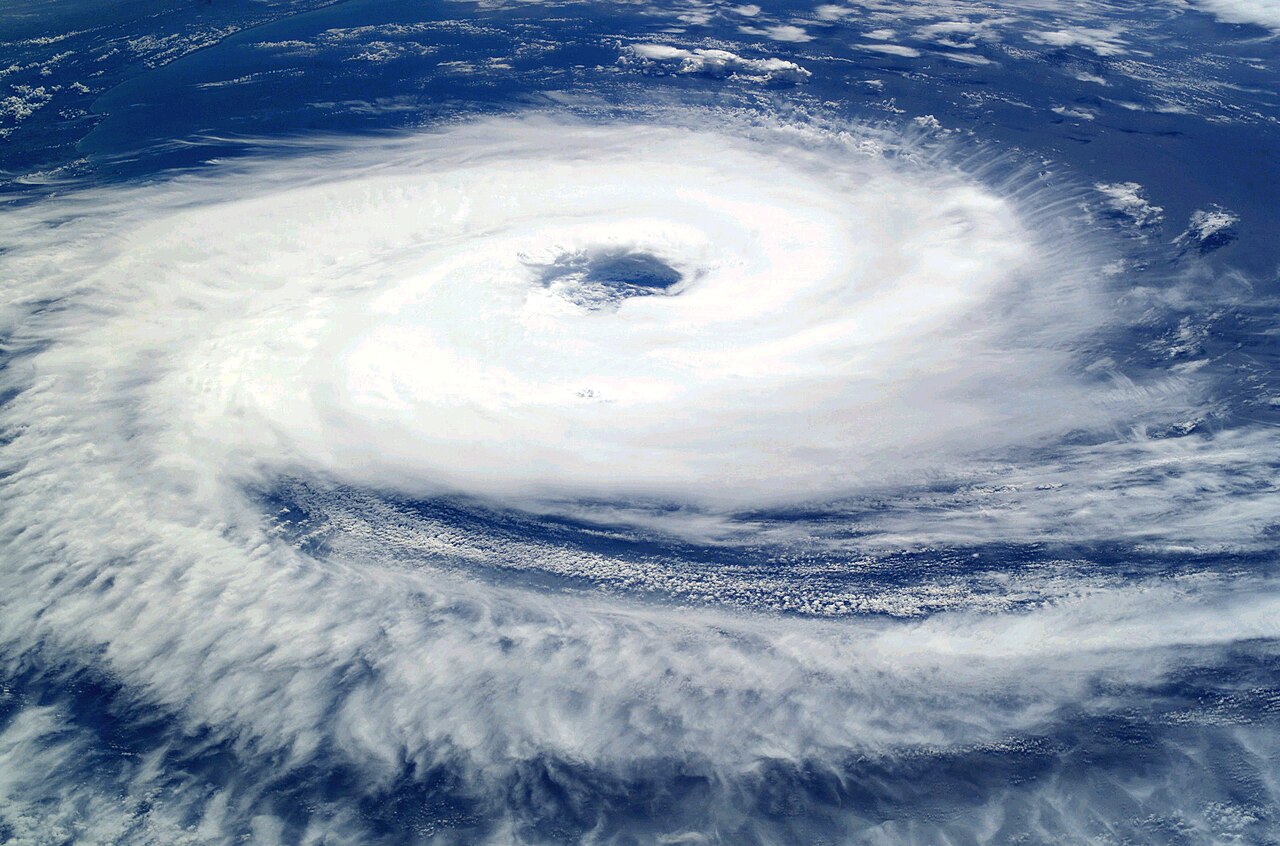




Formation and track
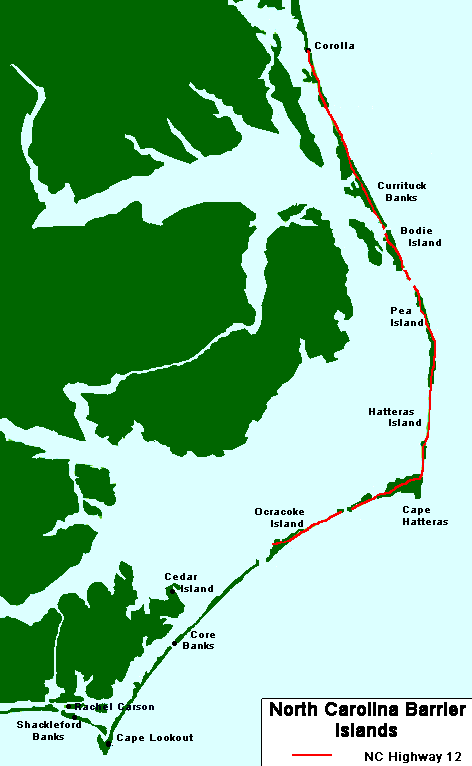
The system originated as an organized disturbance in the eastern Atlantic, a common birthplace for late-summer storms. It followed a west-northwest path, passing near or affecting islands of the northeastern Caribbean and moving on a trajectory that brought it into the vicinity of Puerto Rico before turning closer to the continental United States and the Outer Banks. Its earlier stages were tied to a tropical wave that emerged from the African coast; see off Africa for the general source region of such waves.
Characteristics
- Duration: late August through early September 1993.
- Primary hazards: heavy rainfall, coastal storm surge, strong winds, and localized flooding.
- Scale: produced notable precipitation totals and sustained winds that caused property and infrastructure impacts in affected areas.
Impacts and response
Communities in the storm's path experienced flooding, wind damage, and beach erosion. Local authorities issued watches and warnings, and emergency services focused on evacuations for vulnerable coastal areas, sandbagging, and road closures where flash flooding occurred. Agricultural losses and power outages were reported in several locations; emergency relief and cleanup were part of the post-storm response.
Notable facts and distinctions
Contemporary accounts highlighted the storm's longevity and seasonal significance: meteorological summaries for 1993 cited Emily among the more persistent Atlantic cyclones of that season. It should not be confused with other storms of the same name in different years; later storms named Emily produced their own distinct impacts and records.
For historical storm tracks and technical summaries consult regional hurricane archives and season reports maintained by meteorological agencies and research centers.
Related articles
Author
AlegsaOnline.com Hurricane Emily (1993) — Atlantic storm overview Leandro Alegsa
URL: https://en.alegsaonline.com/art/45871