
Hurricane Elena (1985): Gulf Coast major hurricane with looping track
Category 3 Atlantic hurricane in late Aug–Sep 1985 that executed an unusual loop in the Gulf of Mexico, prompting widespread evacuations and causing heavy damage along the U.S. Gulf Coast.
Overview
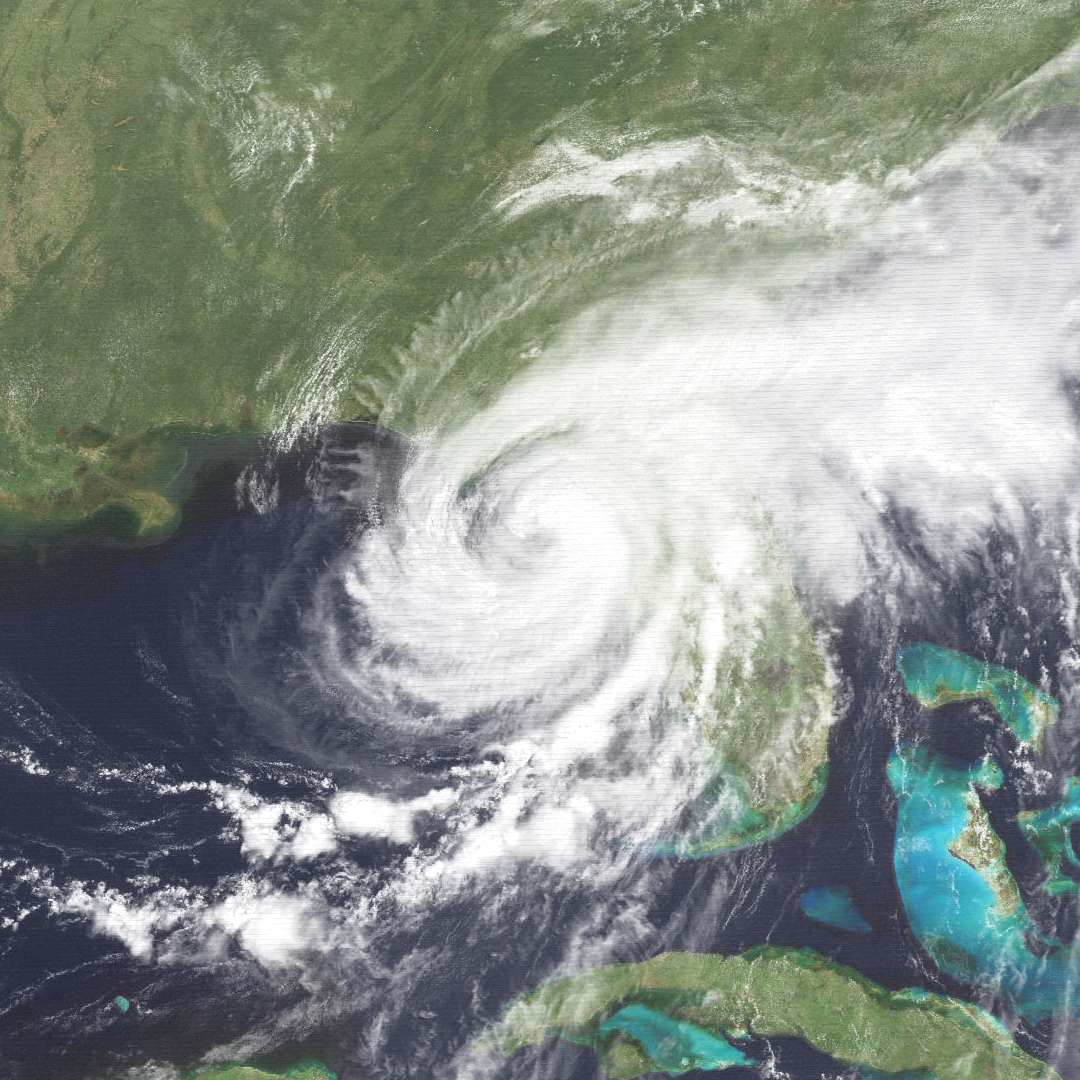
Hurricane Elena was a major Category 3 storm of the 1985 Atlantic hurricane season that produced significant impacts along the United States Gulf Coast in late August and early September 1985. Elena is remembered not only for its powerful winds and coastal effects but also for an uncommon, slow-moving track that included a pronounced loop while it was in the northern Gulf of Mexico. That unpredictable motion complicated forecasts and emergency planning and led to large-scale evacuations of coastal residents.
Image gallery
10 Images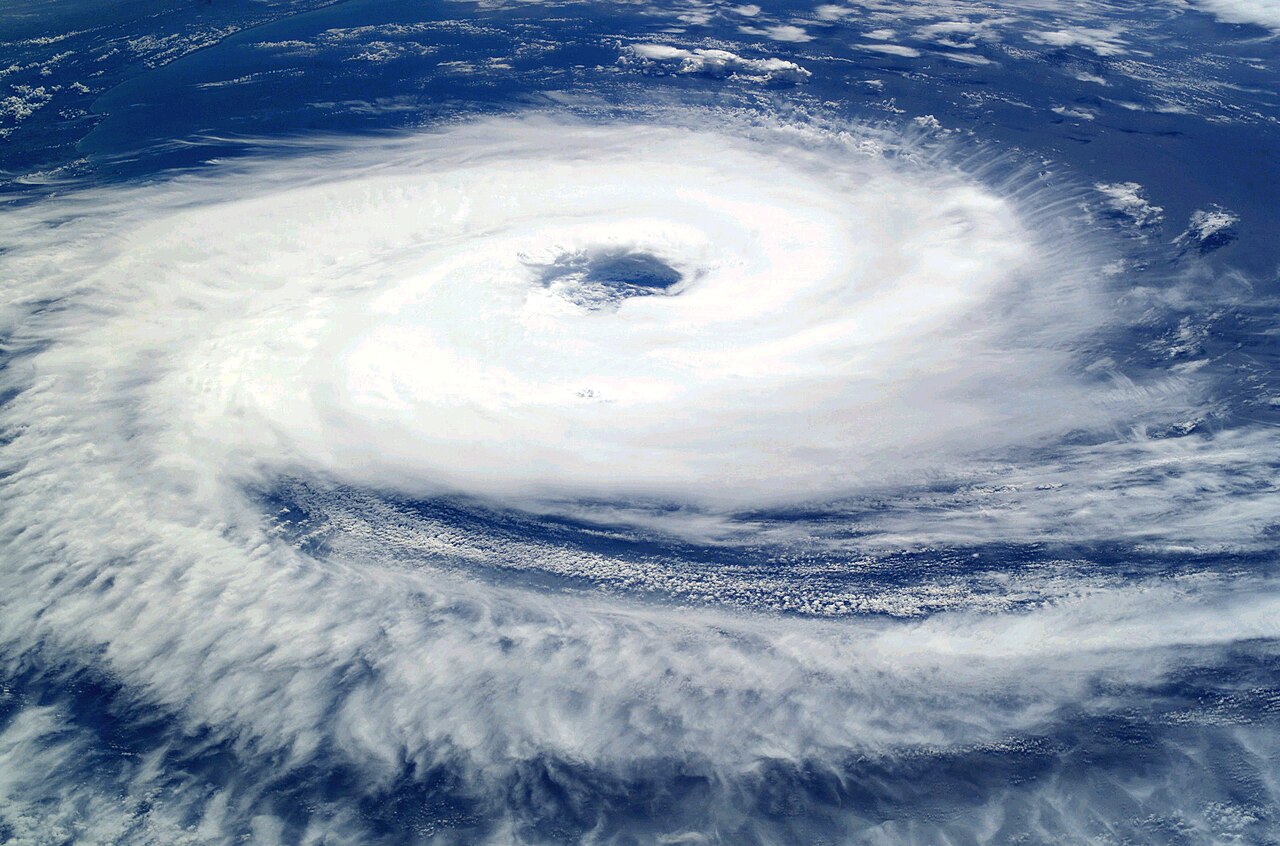






Characteristics
Elena intensified to major hurricane strength while over warm waters and brought the hazards typical of strong tropical cyclones: sustained high winds, dangerous storm surge, heavy rainfall, and coastal erosion. Wind and surge combined with prolonged onshore flow in some areas to produce property damage, power outages, and localized flooding. The storm’s slow, meandering movement lengthened the period of hazardous conditions for coastal communities.
Track and meteorological notes
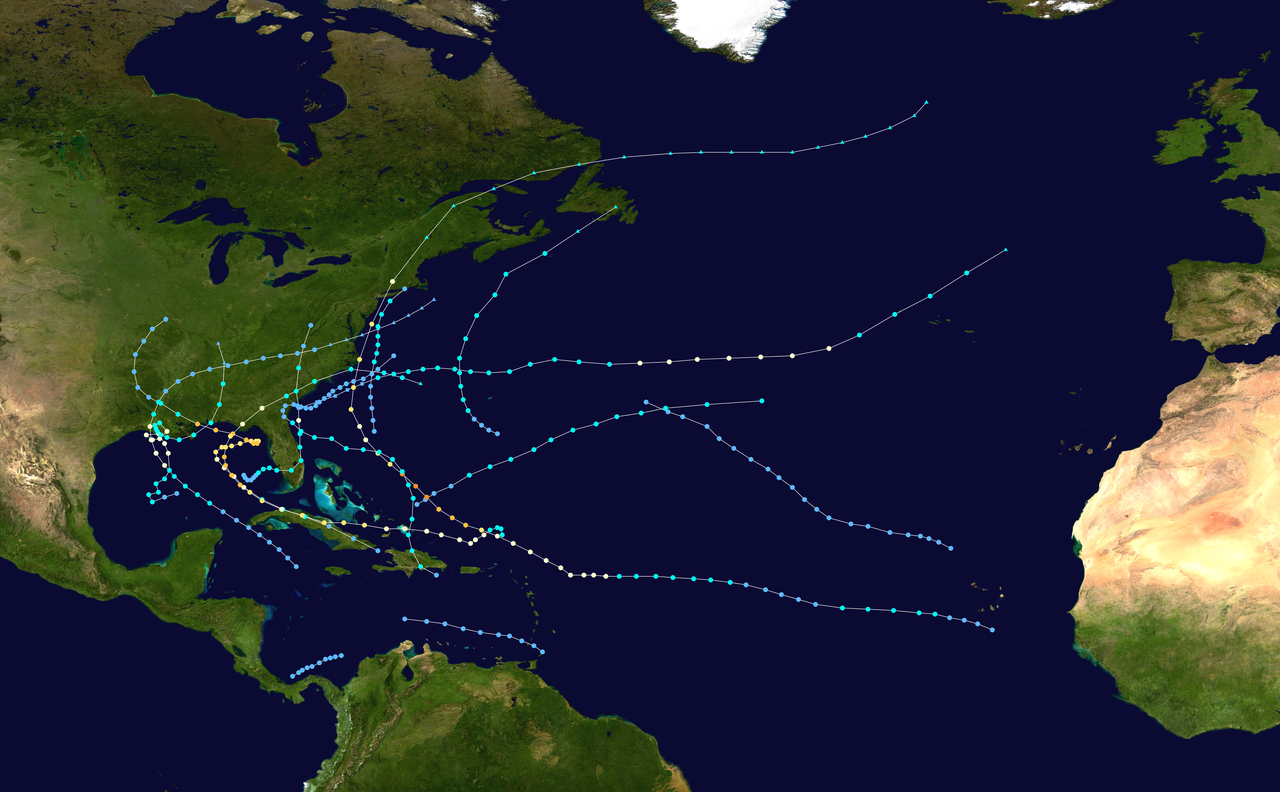
What set Elena apart from many storms was its erratic path in the Gulf of Mexico. Forecasters observed a looping trajectory that caused the storm’s expected landfall point to shift repeatedly. This looping behavior created uncertainty for models and emergency managers and forced multiple rounds of evacuation orders and sheltering actions as the projected impact zone moved along the coastline.
Impacts and response
The combination of high winds, surge, and heavy rain produced widespread damage to homes, businesses, and infrastructure along the Gulf Coast. Authorities implemented evacuations and emergency procedures to protect residents. Recovery efforts focused on repairing coastal property, restoring utilities, clearing debris, and addressing erosion and flooding in affected communities. The storm highlighted the social and logistical challenges of moving large coastal populations when a storm’s track is highly uncertain.
Legacy and notable facts
- Elena is frequently cited in studies and retrospectives of forecasting because its looping Gulf track demonstrated limits in predictive certainty at the time.
- The event underscored the importance of flexible evacuation planning and improved communication between meteorologists, emergency managers, and the public.
- For context within that year’s activity, Elena is catalogued as part of the 1985 Atlantic hurricane season and its effects are usually described in regional summaries of storms affecting the Gulf Coast.
Overall, Hurricane Elena remains a notable case study in coastal hazard management and forecasting challenges presented by slow-moving, erratic tropical cyclones.
Related articles
Author
AlegsaOnline.com Hurricane Elena (1985): Gulf Coast major hurricane with looping track Leandro Alegsa
URL: https://en.alegsaonline.com/art/45869