
Nova Scotia — Canadian Atlantic province
Nova Scotia is an Atlantic Canadian province on the east coast, known for its coastline, Mi'kmaq and Acadian heritage, Halifax, maritime economy, and historic events such as the Halifax Explosion.
Overview
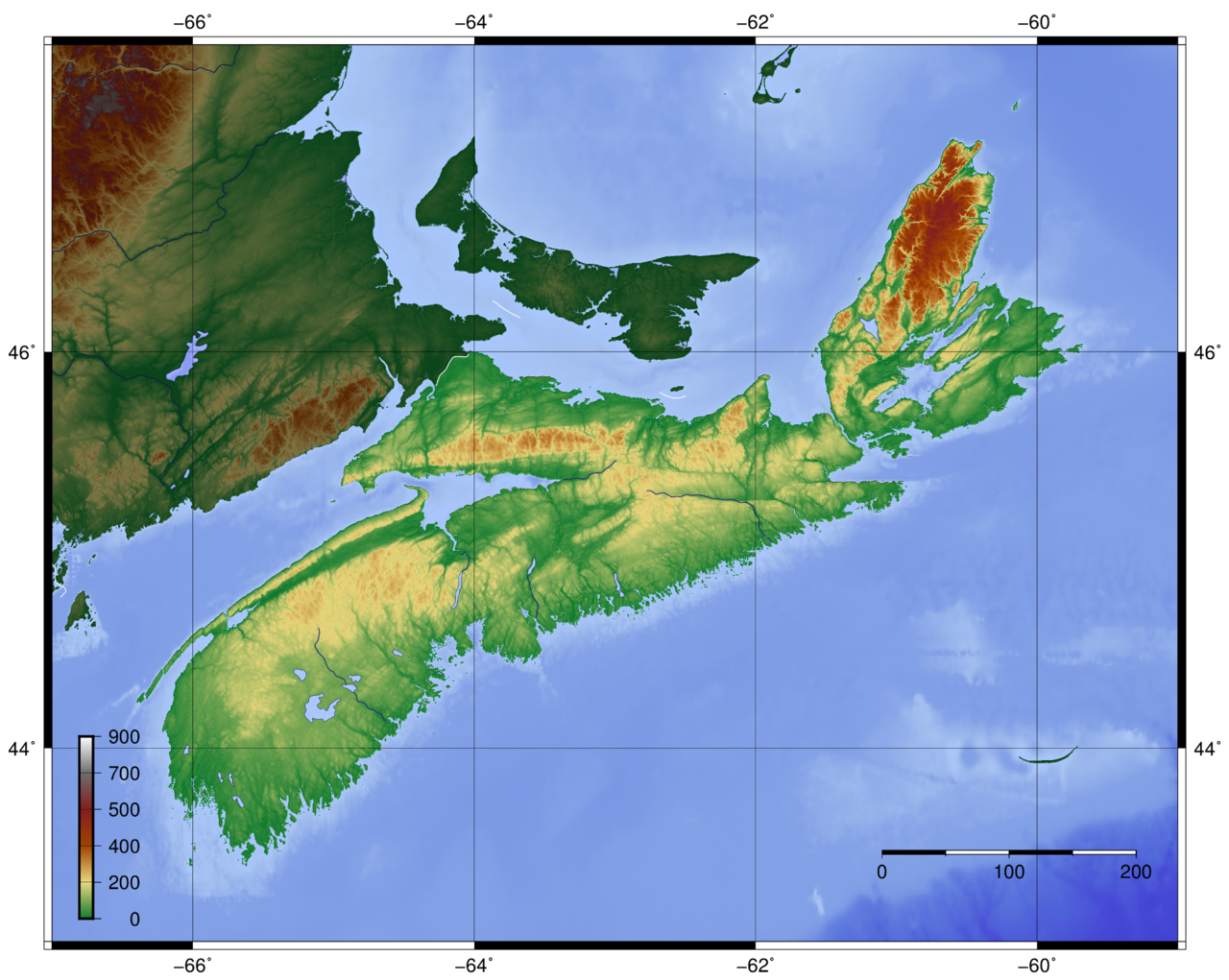
Nova Scotia is a maritime province on the east coast of Canada. Its name derives from Latin (Nova Scotia) and is commonly rendered in English as New Scotland. The province occupies a long peninsula, Cape Breton Island and many smaller islands, and is one of Canada’s four Atlantic provinces. The provincial capital and largest city is Halifax, a major port and regional centre for commerce, education and government.
Image gallery
10 Images


Geography and climate
Nova Scotia is bounded by the Atlantic Ocean and the Bay of Fundy, the latter noted for very high tidal ranges. The coastline is deeply indented with numerous bays, harbours and estuaries, and the province includes features such as long sandy beaches, rocky headlands and glacial valleys. Forests cover much of the interior, and wetlands and productive coastal waters support diverse wildlife. The climate is influenced by the Atlantic, with generally milder winters and cooler summers than inland regions of similar latitude; fog, strong winds and rapidly changing weather are common near the coast.
Indigenous peoples and early contact
The Mi'kmaq are the Indigenous people of the region and have lived in what is now Nova Scotia for thousands of years. European fishermen and explorers began seasonal contact in the 16th century, and permanent European settlements followed. French colonists established the territory known as Acadia and built early posts such as Port Royal. Relations, trade and conflict between Indigenous peoples and newcomers shaped early colonial developments.
Colonial and modern history
Control of the territory shifted between French and British interests in the 17th and 18th centuries. Military actions and diplomatic treaties, including the capture of Port Royal and later arrangements such as the Treaty of Utrecht, altered sovereignty and led to large-scale population movements, including the Acadian expulsions in the mid-18th century. Loyalists and immigrants from Scotland, Ireland and elsewhere arrived in later waves. Nova Scotia was one of the four original provinces to enter the Canadian Confederation in 1867.
Population, language and culture
Residents of the province are often called Nova Scotians. The population includes people of Mi'kmaq, Acadian (French), African Nova Scotian, English, Scottish and Irish heritage, among others. English is the dominant language in most communities, while French is widely spoken in Acadian areas and Mi'kmaq communities maintain their own languages and cultural practices. Scottish Gaelic and maritime folk traditions have left a visible imprint in music, place names and festivals.
Economy and infrastructure
The economy remains closely linked to the sea. Fisheries, aquaculture and shipping are important sectors, together with tourism, higher education, health care, and service industries. Halifax functions as a transportation and logistics hub, with a busy seaport and an international airport. Resource-based activities, small-scale agriculture and rural tourism support many communities, while urban areas host government offices, post-secondary institutions and technology firms.
Government and public life
Provincial government follows a parliamentary system within Canada’s federal structure. The province administers education, health, municipal affairs and other public services. For official information about provincial institutions see resources on government and democracy, and for current executive offices consult links related to the premier and the lieutenant governor.
Notable events and heritage
Nova Scotia’s history includes both long-standing Indigenous presence and periods of intense colonial conflict. One of the most devastating peacetime disasters in Canadian history occurred on 6 December 1917, when the Halifax Explosion — caused by a collision in Halifax Harbour involving a munitions ship — destroyed large parts of the city and prompted large-scale relief and rebuilding efforts. Other historically significant themes include early French settlement, British military campaigns, the Acadian experience, and the endurance of Mi'kmaq communities.
Places of interest
- Halifax: provincial capital and cultural centre (city).
- Port Royal: early French settlement and historic site (Port Royal).
- Cape Breton: island with strong Gaelic and musical traditions.
- Bay of Fundy: noted for extreme tides and diverse marine life.
Research, education and conservation
Universities and colleges in Nova Scotia contribute to marine science, oceanography and environmental research, reflecting the province’s coastal setting. Conservation efforts focus on protecting coastal habitats, migratory bird areas and fisheries sustainability. Parks and protected areas provide recreation and preserve important natural and cultural landscapes.
Further information
For overviews of regional administration and historical background consult general references on the Atlantic region and Canada, or specialized sources on colonial history (colonial wars), early European settlement (British and other settlers) and French colonial presence (French colonial history). Geographic descriptions of the peninsula appear under entries for the peninsula, while civic and tourist resources provide practical information about travel and sites of interest (capital, premier and other administrative links).
Related articles
Author
AlegsaOnline.com Nova Scotia — Canadian Atlantic province Leandro Alegsa
URL: https://en.alegsaonline.com/art/71219
Sources
- www12.statcan.gc.ca : "Population and dwelling counts, for Canada, provinces and territories, 2016 census"
- www12.statcan.gc.ca : "Population and dwelling counts, for Canada, provinces and territories, 2011 and 2006 censuses"
- www5.statcan.gc.ca : "Population by year of Canada of Canada and territories"
- slmc.uottawa.ca : "The Legal Context of Canada's Official Languages"
- statcan.gc.ca : "Gross domestic product, expenditure-based, by province and territory (2013)"