
Hurricane Frances (2004): Atlantic storm that struck Florida and the U.S. East Coast
Hurricane Frances was a major 2004 Atlantic hurricane that struck eastern Florida in early September, producing widespread flooding, tornadoes, 49 deaths and about $12 billion in damage across the southeastern United States.
Overview
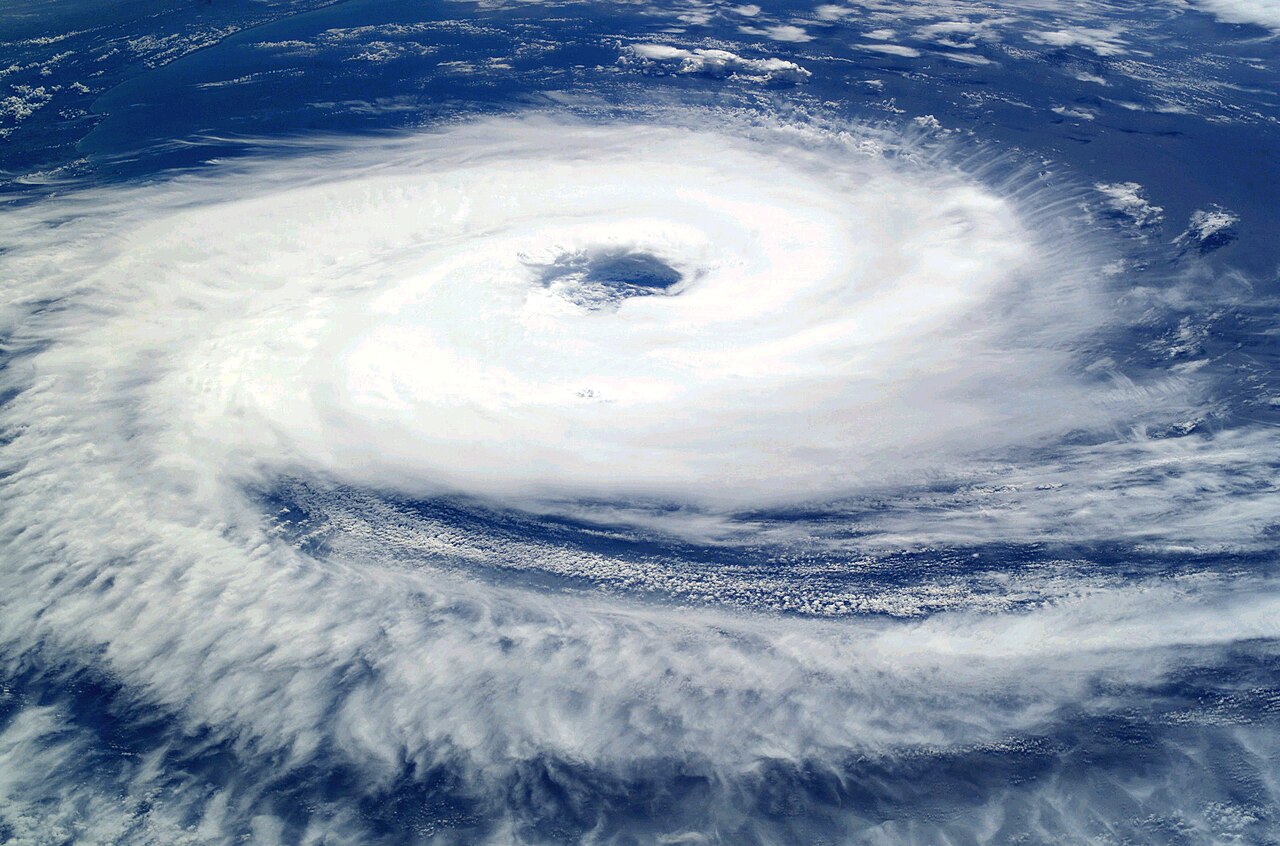
Hurricane Frances was a significant tropical cyclone in the 2004 Atlantic season. It developed over the tropical Atlantic and strengthened to major-hurricane intensity while traversing open water before moving toward the southeastern United States in early September. Frances was the sixth named storm, fourth hurricane, and third major hurricane of the 2004 Atlantic hurricane season. Its size, slow forward motion, and prolonged rainfall made it one of four hurricanes that produced major impacts in the U.S. state of Florida during that busy season.
Image gallery
10 Images




Meteorological history and path
The storm followed a generally west-northwest track from the central Atlantic toward the Bahamas and the east coast of Florida. After reaching major-hurricane strength over the open ocean, Frances weakened slightly before making landfall on Florida's east coast in early September. Its slow movement increased the duration of strong winds, storm surge, and heavy rains over affected areas, and the system later moved inland and up the Atlantic Seaboard, producing widespread rainfall well north of its landfall point.
Impacts and consequences
Frances produced a variety of hazards: extended coastal storm surge and beach erosion, flooding from prolonged heavy rainfall, widespread power outages, and numerous tornadoes spawned in outer rainbands. Officials attribute about 49 deaths to the storm and estimated damage near $12 billion, figures that reflect losses to homes, infrastructure, and agriculture. The cyclone generated roughly 101 tornadoes from Florida into the mid-Atlantic, adding to localized destruction and complicating emergency response.
Response, recovery, and notable facts
State and federal agencies mounted large recovery efforts focused on restoring power, clearing debris, and assisting homeowners and farmers. Frances made landfall near the area that would be struck again by Hurricane Jeanne roughly two weeks later, amplifying damage and delaying full recovery for some communities. The storm is remembered for its longevity over land and the secondary hazards it produced, including a high tornado count documented from Florida to Virginia (tornado reports and summaries).
Legacy and context
In the context of the 2004 season, Frances is often cited with Charley, Ivan, and Jeanne as part of a one-two punch of storms that stressed emergency systems and highlighted vulnerabilities in coastal planning. Its impacts influenced later discussions on evacuation policies, power-grid resilience, and agricultural insurance in hurricane-prone regions.
- Key figures: About 49 fatalities and roughly $12 billion in damage.
- Geographic reach: East-central Florida coast, interior Florida, and the U.S. East Coast as far north as the mid-Atlantic.
- Secondary hazards: Approximately 101 tornadoes associated with the storm's outer bands.
Questions and answers
Q: What was Hurricane Frances?
A: Hurricane Frances was the sixth tropical storm, fourth hurricane, and third major hurricane of the 2004 Atlantic hurricane season.
Q: Where did Hurricane Frances make landfall?
A: Hurricane Frances made landfall near the same location that Hurricane Jeanne would make landfall in about two weeks later.
Q: How many tornadoes were caused by Hurricane Frances?
A: Hurricane Frances caused about 101 tornadoes from Florida to Virginia.
Q: How many deaths were attributed to Hurricane Frances?
A: Hurricane Frances left 49 deaths.
Q: What kind of damage did it cause?
A: Hurricane Frances caused $12 billion in damage.
Q: Was this one of four hurricanes to have a major impact on Florida in 2004?
A: Yes, it was one of four hurricanes to have a major impact on Florida in 2004.
Related articles
Author
AlegsaOnline.com Hurricane Frances (2004): Atlantic storm that struck Florida and the U.S. East Coast Leandro Alegsa
URL: https://en.alegsaonline.com/art/45887