
Hurricane Frederic (1979)
Powerful 1979 Atlantic hurricane that struck the U.S. Gulf Coast; at landfall it produced major hurricane conditions, causing widespread damage and prompting long-term recovery and name retirement.
Overview
Hurricane Frederic was a major tropical cyclone in the 1979 Atlantic hurricane season. It developed from a tropical wave in early September and became the sixth named storm, the third hurricane, and the second major hurricane of the season. Frederic tracked across the Gulf of Mexico and made landfall on the northern Gulf Coast, producing hurricane-force winds, storm surge, and heavy rainfall. It caused significant destruction and fatalities, and at the time it was the most costly hurricane to strike the United States. For broader context see the 1979 Atlantic hurricane season.
Image gallery
9 Images




Meteorological history and characteristics
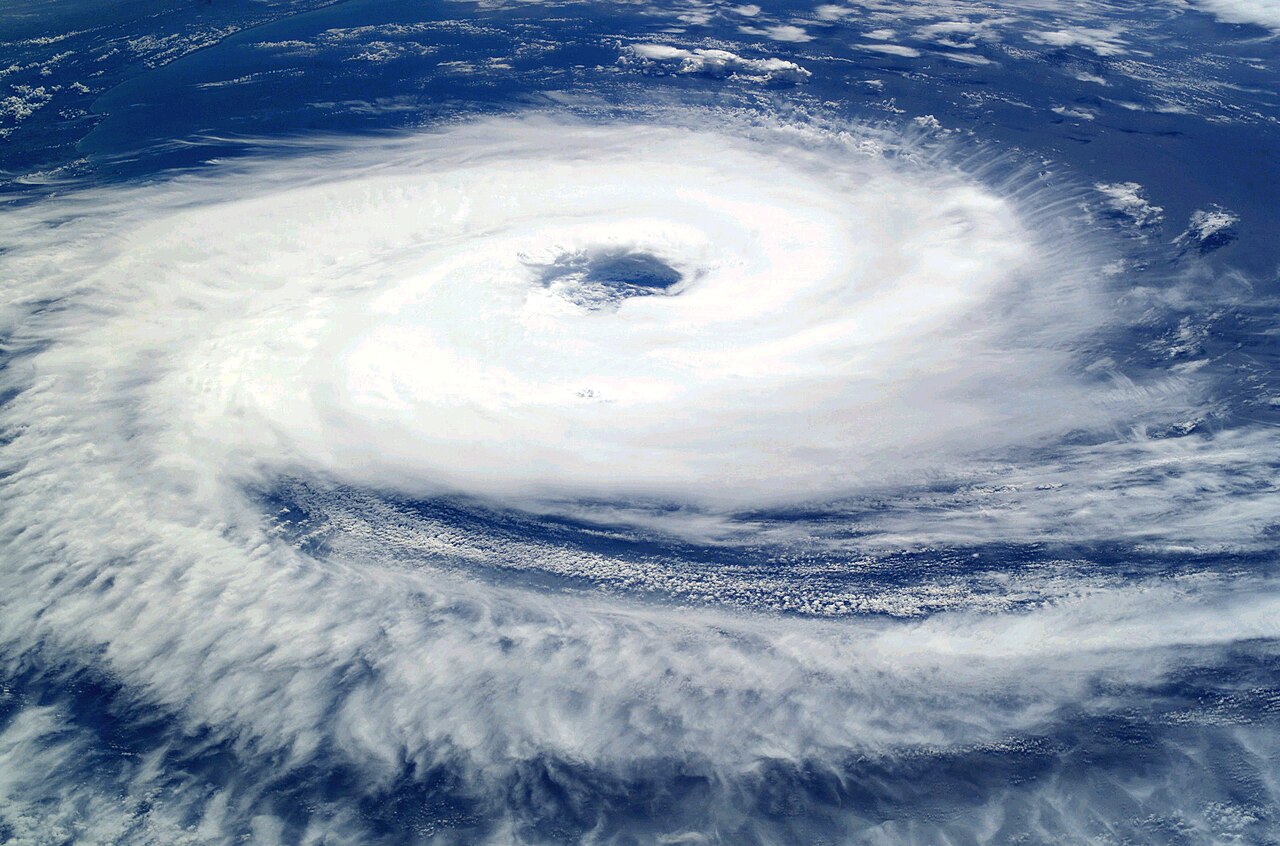
Frederic intensified over warm waters and reached major hurricane strength while in the Gulf. Its structure featured a well-defined eye and concentric bands of deep convection. Forecasters classified it on the Saffir–Simpson scale as a major hurricane at peak intensity and it weakened slightly before making landfall. The storm moved inland across the U.S. Southeast, where friction and drier air reduced its intensity before it finally dissipated over land.
Impact and damage
The hurricane produced damaging winds, flooding rainfall, and surge along the coastlines of Alabama, Mississippi, and parts of the Florida Panhandle. Combined effects of wind and surge tore roofs from buildings, downed trees and power lines, and inundated low-lying areas. Frederic was responsible for 14 deaths and approximately $2.3 billion in damage (1979 dollars). At the time this made Frederic the costliest U.S. hurricane; that record was surpassed a decade later by Hurricane Hugo in 1989, which itself was among a succession of storms to exceed Frederic's cost by later decades (see later comparisons).
Aftermath, response, and legacy
Recovery efforts involved federal, state, and local agencies along with private organizations. Infrastructure and coastal communities required lengthy repairs and rebuilding. In the years after the storm, improvements were made to building codes, emergency planning, and flood protection in affected areas. The name Frederic was retired from the Atlantic rotating name lists in recognition of the storm's impact and is not reused for later seasons.
Quick facts
- Season: 1979 Atlantic hurricane season (overview)
- Notable impacts: northern Gulf Coast—Alabama, Mississippi, Florida Panhandle
- Fatalities: 14
- Estimated damage: about $2.3 billion (1979)
- Legacy: name retired; spurred improvements in coastal preparedness
Frederic remains an important case study in Gulf Coast hurricane impacts because of its rapid intensification over the Gulf, the concentrated damage at landfall, and the subsequent changes it helped prompt in building standards and emergency management practices.
Questions and answers
Q: What was the sixth named storm of the 1979 Atlantic hurricane season?
A: Hurricane Frederic.
Q: How many deaths did Hurricane Frederic cause?
A: Hurricane Frederic caused 14 deaths.
Q: What was the costliest hurricane to hit the U.S. at the time of Hurricane Frederic's landfall?
A: At the time, Hurricane Frederic was the costliest hurricane to hit the U.S.
Q: When did Hurricane Hugo break this record?
A: The record was broken in 1989 when Hurricane Hugo caused about $14 billion in damage.
Q: How much damage did Hurricane Frederic cause?
A: Hurricane Frederic caused $2.3 billion in damage.
Q: How many major hurricanes were there during the 1979 Atlantic hurricane season?
A: There were two major hurricanes during the 1979 Atlantic hurricane season; one being Hurricane Frederic and another unnamed storm prior to it.
Q: Where does Freddie rank among other US hurricanes in terms of costliness today?
A: Today, Fredric has fallen to about seventeenth costliest US hurricane
Related articles
Author
AlegsaOnline.com Hurricane Frederic (1979) Leandro Alegsa
URL: https://en.alegsaonline.com/art/45888