
Hurricane Edith (1971): Category 5 Caribbean storm that struck Central America and Louisiana
A powerful 1971 Atlantic hurricane that became a Category 5 in the Caribbean, made landfall in northern Central America, and later hit western Louisiana, producing a Gulf States tornado outbreak.
Overview
Hurricane Edith was one of the most intense tropical cyclones of the 1971 Atlantic hurricane season. It formed in early September and underwent rapid intensification over the warm waters of the Caribbean Sea before reaching Category Five strength on the Saffir–Simpson scale. After an initial devastating landfall in northern Central America, the system moved into the Gulf of Mexico and produced a second landfall in the United States.
Image gallery
8 Images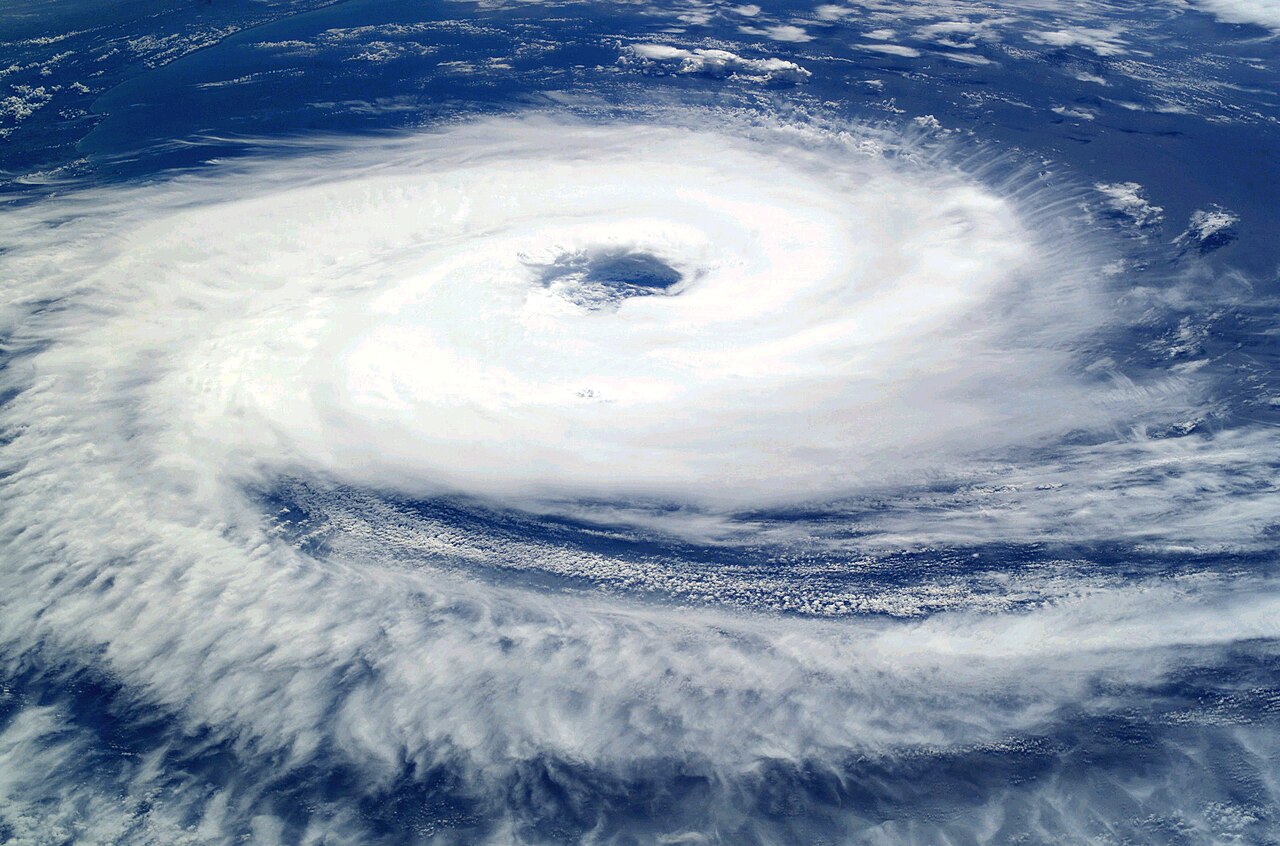


Meteorological history
The disturbance that became Edith developed on Sunday, September 5, in the tropical Atlantic and organized as it moved westward. Satellite and reconnaissance observations showed rapid strengthening as the system crossed the warm Caribbean waters; meteorologists recorded a sharp uptick in intensity beginning on Thursday, September 9. For contemporary reporting and detailed storm summaries see the storm analysis and regional oceanic context in the Caribbean Sea. At peak intensity Edith produced sustained winds near 160 mph before its first landfall in northern Central America (landfall report).
Impacts
The initial impact of Edith in Central America was severe, with destructive winds, storm surge along the coast, and heavy inland rainfall. Official accounts attribute most of the storm's fatalities to the damage sustained outside the United States; contemporary summaries report thirty-five deaths associated with the storm. After crossing land and weakening, Edith emerged into the Gulf of Mexico and reintensified sufficiently to make a second U.S. landfall in western Louisiana on Thursday, September 16 with winds near 105 mph. That U.S. impact generated a notable tornado outbreak across several Gulf States, though there were no reported deaths in the United States.
Characteristics and notable facts
- Peak intensity: Reached Category Five strength with maximum sustained winds around 160 mph.
- Formation and track: Developed September 5 and strengthened rapidly by September 9 while in the Caribbean.
- Landfalls: First struck northern Central America as a major hurricane; later hit western Louisiana as a Category Two-equivalent storm (U.S. landfall summary).
- Tornadoes: Spawned a tornado outbreak across the Gulf States region during the U.S. landfall phase.
Aftermath and significance
Edith's rapid intensification and trans-basin impacts highlighted the challenges of forecasting quickly strengthening hurricanes and the importance of timely warnings in affected countries. The storm is often cited in seasonal reviews of 1971 as one of the stronger Atlantic hurricanes that year and as an example of how a single cyclone can cause widely different effects — catastrophic damage and loss of life in one region and primarily wind and tornado-related impacts in another.
Further reading
Readers seeking detailed meteorological data, storm tracks, and contemporary reports can consult archived analyses and summaries at regional hurricane centers and historical databases (meteorological summary, landfall report, U.S. impact notes, Caribbean observations).
Related articles
Author
AlegsaOnline.com Hurricane Edith (1971): Category 5 Caribbean storm that struck Central America and Louisiana Leandro Alegsa
URL: https://en.alegsaonline.com/art/45866