
Leeward Islands
The Leeward Islands are the northern group of the Lesser Antilles in the Caribbean, a mix of independent states and overseas territories known for volcanic and coral islands, tourism, diverse ecosystems, and hurricane exposure.
The Leeward Islands form the northern section of the Lesser Antilles chain in the Caribbean Sea. Geographically they lie where the Caribbean meets the western Atlantic, and they are traditionally contrasted with the Windward Islands to the south. The name "Leeward" arises from historical sailing practice: islands that were downwind relative to prevailing trade winds were called leeward, while those more exposed were called windward. For a concise geographic reference see northern Leeward Isles and the Lesser Antilles context.
Image gallery
5 Images

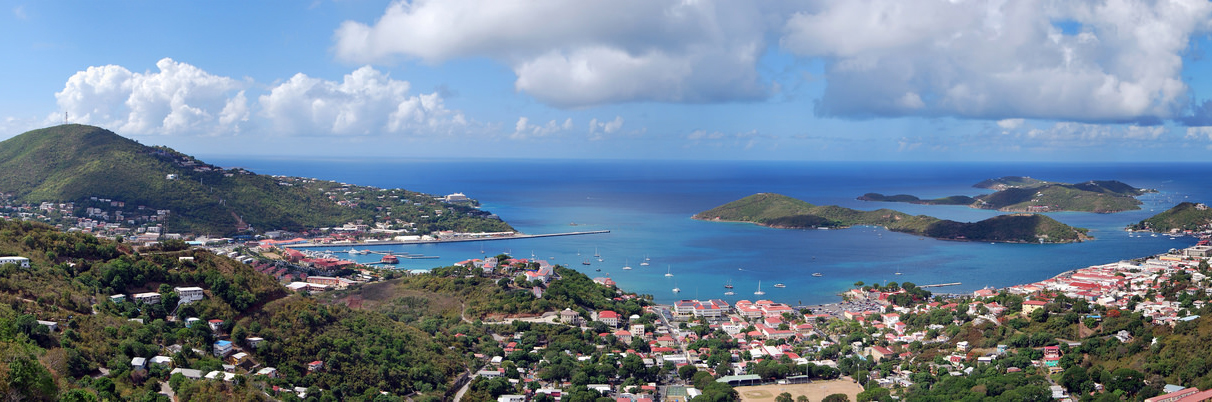


Geography and main islands
The group includes a mixture of volcanic and coral islands, some low and sandy, others hilly or mountainous with volcanic soils. Major islands and territories often associated with the Leewards include:
- Virgin Islands (British and U.S. administrations) — the western extremity of the Leewards; see Virgin Islands.
- Anguilla and the British Virgin Islands.
- Antigua and Barbuda, Saint Kitts and Nevis (two independent states).
- Montserrat (a British Overseas Territory) and the French islands of Guadeloupe and Saint Martin/Sint Maarten.
These islands vary in size and character: some are largely coral and sand, others retain volcanic peaks that support lush vegetation, freshwater springs and richer soils. Many hold important coral reef systems along their coasts, which are both ecological assets and tourist attractions; see also regional sea boundaries at Caribbean Sea and western Atlantic.
Climate, hazards and ecosystems
The climate is tropical, moderated by trade winds. Rainfall patterns vary with elevation and exposure, producing dry lowlands and wetter uplands. The islands are in a hurricane-prone zone and are periodically affected by tropical storms, which shape development, infrastructure resilience and ecological recovery. Native ecosystems include coastal mangroves, coral reefs and upland forests; several islands host endemic plants and animals, though human settlement and agriculture have altered much original habitat.
History and cultural notes
Before European contact the islands were inhabited by indigenous peoples, including Arawak and Carib groups. From the age of European exploration and colonization onward, the Leeward Islands became sites of plantation agriculture, transatlantic slavery and colonial competition among European powers. Over centuries the archipelago developed a cultural mix reflecting Indigenous, African, European and later global influences. Many contemporary societies preserve Creole languages, musical traditions and culinary practices rooted in that history.
Political arrangements are mixed: the chain includes independent nations, overseas departments and territories of France, British Overseas Territories and U.S. jurisdictions. This mosaic influences law, currency, and governance across neighboring islands and contributes to diverse administrative systems and travel arrangements.
Economy, transport and tourism
Tourism is a dominant economic sector, supported by beaches, diving, sailing and historic towns. Agriculture, especially small-scale and niche products, and services such as finance and shipping also play roles. Transport is delivered by regional air links, ferries and cruise ship connections; inter-island travel is essential to local economies and social life. Visitors and researchers often consult regional guides and official sources when planning travel or study — for example, general references to the Leewards and neighboring Windward Islands can be found via Windward-Leeward distinctions.
Notable distinctions: the term "Leeward Islands" has been applied in different ways in historical and administrative contexts, so lists of included islands may vary with the source. For broad orientation, maps and official regional descriptions are useful starting points; for further reading see general Caribbean overviews and specific island authorities accessible through regional portals such as Leeward regional maps or entries on the Lesser Antilles.
Additional information and travel resources are commonly available from regional tourism boards, scientific studies of Caribbean ecosystems and historical studies of colonial-era Caribbean development. For maritime and environmental context consult summaries of the Caribbean Sea, the Atlantic approaches, and specific territory pages like the Virgin Islands and broader Windward/Leeward comparisons at regional overviews.
Related articles
Author
AlegsaOnline.com Leeward Islands Leandro Alegsa
URL: https://en.alegsaonline.com/art/56942