
Hurricane Florence (September 2018)
A major Atlantic hurricane that struck the southeastern United States in September 2018, producing catastrophic flooding in the Carolinas and causing widespread damage and disruption.
Overview
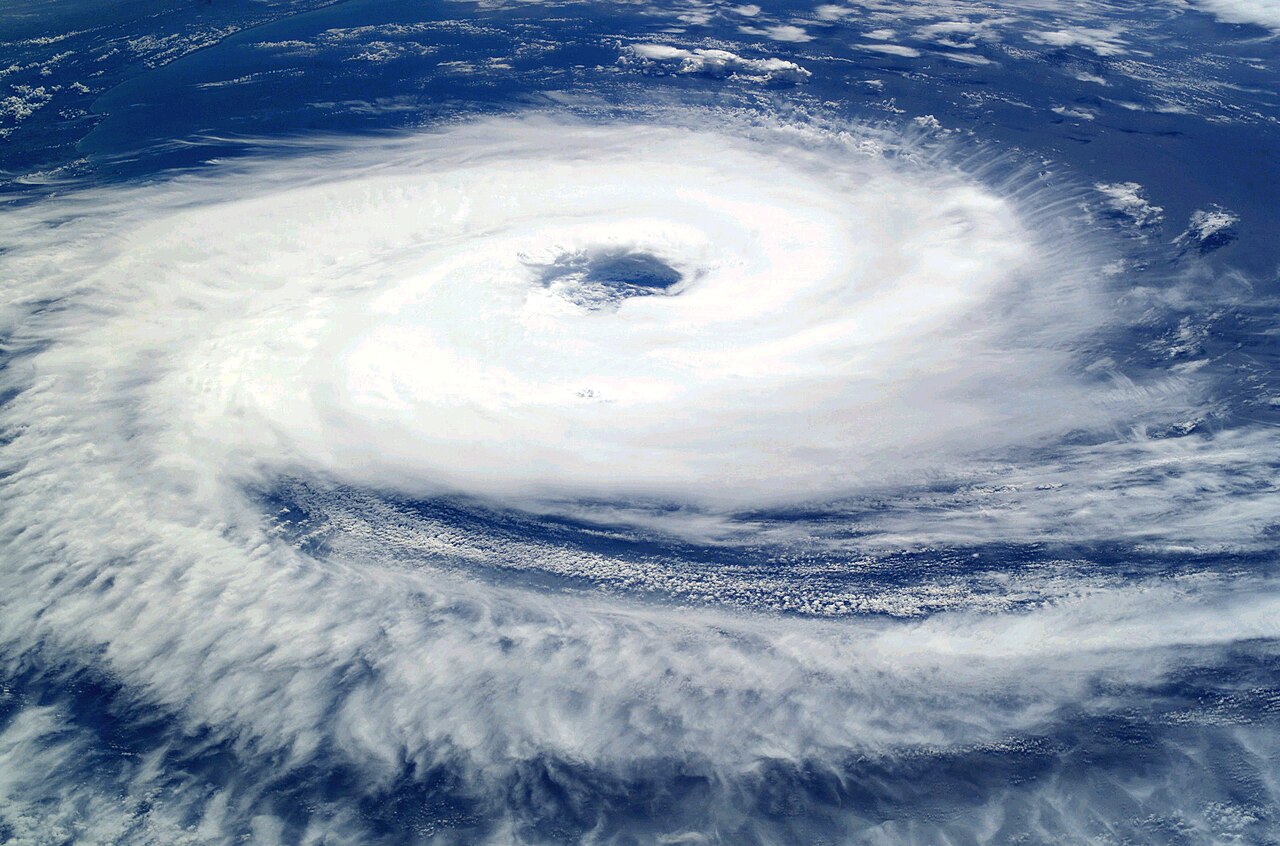
Hurricane Florence was a powerful Atlantic tropical cyclone that developed in late August 2018 and produced catastrophic rainfall and flooding when it impacted the southeastern United States in September 2018. The system is commonly described in meteorological summaries as a long-lived tropical cyclone that threatened the East Coast and caused its greatest damage across the Carolinas. Florence was the sixth named storm, the third hurricane, and the first major hurricane of the 2018 Atlantic hurricane season.
Image gallery
10 Images


Storm development and path
The weather disturbance that became Florence originated as an African easterly wave that moved off the west coast of Africa at the end of August. Observers tracked it as a tropical wave on August 30; it organized into a tropical depression on August 31 and was designated Tropical Storm Florence on September 1. Favorable environmental conditions — warm ocean waters and relatively low wind shear — allowed rapid intensification, and by September 5 Florence had reached major hurricane status and attained Category 4 strength with peak winds estimated near the higher end of the Category 4 range in operational analysis.
After peaking, the storm experienced fluctuations in intensity. It weakened from its peak but later regained hurricane strength over warm waters. Post-storm analyses refined estimates of its peak intensity and central pressure. Florence slowed markedly as it approached the United States coast, a factor that contributed to prolonged rainfall over the same areas and increased flooding risk. The system made landfall on September 14 as a much weaker storm, with slow forward motion once inland leading to an extended period of heavy rain before it finally degenerated into a tropical depression.
Preparations and warnings
Federal, state, and local officials issued a range of preparations and public warnings as the storm approached. Several state governors declared states of emergency to mobilize resources and authorize evacuations; for example, state executives coordinated plans across affected jurisdictions. Mandatory and voluntary evacuation orders were issued for coastal and low-lying areas in North Carolina, South Carolina, and portions of Virginia. Coastal storm watches and warnings were posted as the forecast evolved, and emergency shelters were opened to support displaced residents.
Impact and consequences
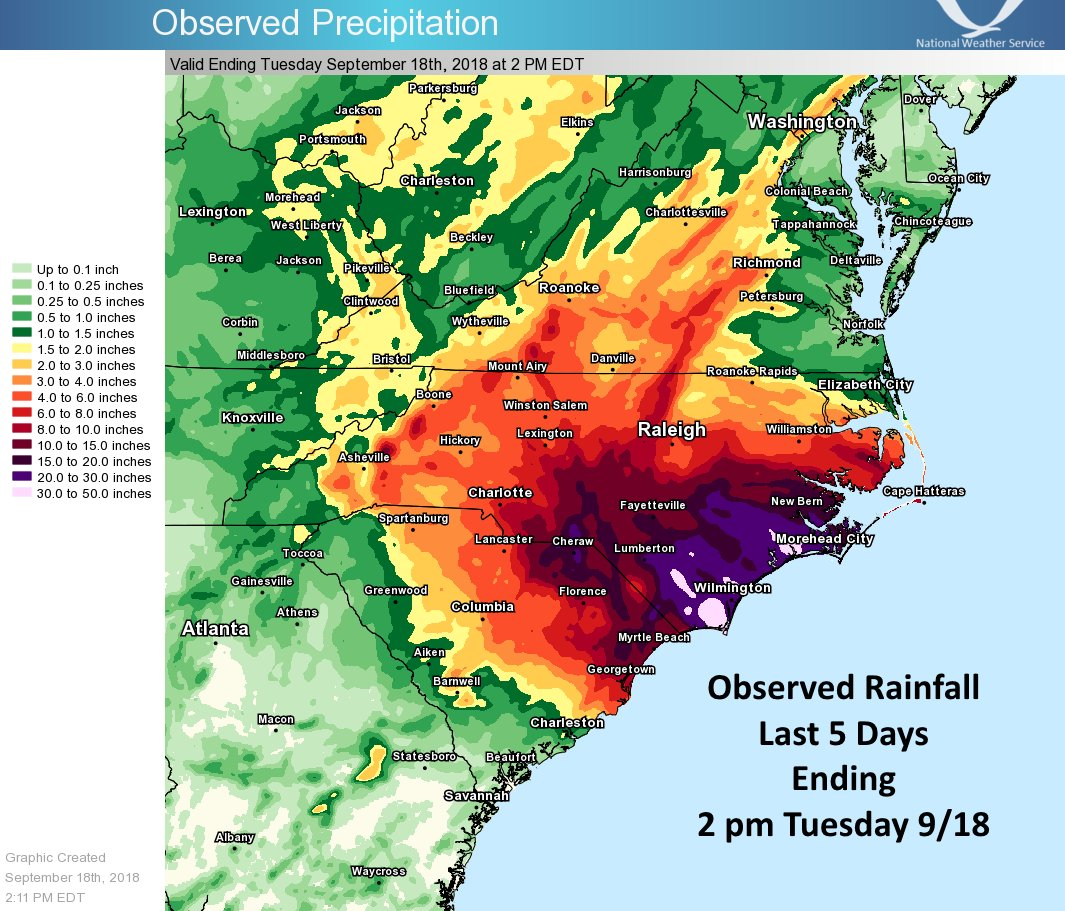
The principal hazard from Florence was rainfall-driven flooding rather than extreme sustained hurricane-force winds at landfall. The storm’s slow motion led to prolonged, intense precipitation over river basins and urban areas, causing rivers and dams to rise, widespread flash flooding, and long-duration inundation of homes, farms, and roads. Floodwaters and storm surge damaged coastal infrastructure and utilities, while tens of thousands of customers experienced power outages. In total, civilian and public safety reports attributed dozens of deaths to the storm and its aftermath.
- Major inland and coastal flooding that persisted for days to weeks.
- Extensive damage to homes, roads, and utilities; long-term recovery needs in many communities.
- Economic losses and insured/uninsured property damage; national estimates placed total damage in the multi‑billion dollar range (damage estimate).
- Environmental and agricultural impacts from standing water, erosion, and contamination.
Aftermath, recovery, and notable facts
Recovery required large-scale federal, state, and local response efforts, including search-and-rescue operations, debris removal, infrastructure repairs, and housing assistance. Florence highlighted the hazards posed by slow-moving tropical systems, especially the flood threat to inland communities far from the immediate coastline. Post-event reviews and research examined the storm’s behavior, forecasting challenges, and lessons for evacuation planning and floodplain management. For further technical background on terminology and storm tracking, readers can consult sources that cover general cyclone definitions and tropical meteorology via Atlantic origins and historical tropical wave research.
Officials, planners, and residents continue to study Florence as part of broader efforts to strengthen resilience to coastal and inland flooding. Additional contemporary summaries and data compilations are available from national weather and emergency management agencies and regional studies of the event.
Questions and answers
Q: What type of storm was Hurricane Florence?
A: Hurricane Florence was a major tropical cyclone, powerful and Cape Verde hurricane in the Atlantic.
Q: When did it form?
A: Hurricane Florence first came off from Africa as a tropical wave on August 30, 2018. On August 31, the tropical wave became a tropical depression and then Tropical Storm Florence on September 1, 2018.
Q: How strong did it become?
A: The storm strengthened to a major hurricane on September 5 and then strengthened to a Category 4 hurricane with estimated maximum sustained winds of 130 mph later that day. It later weakened to a strong tropical storm but then strengthened back to a hurricane with wind speeds of 140 mph and central pressure of 939 millibars.
Q: What states declared emergencies due to the storm?
A: The state Governors of North Carolina, South Carolina and Virginia declared a state of emergency for each state due to the threat posed by Hurricane Florence.
Q: When were mandatory evacuations issued?
A: Mandatory evacuations were issued in certain parts of North Carolina, South Carolina and Virginia on September 10, 2018.
Q: When did the storm make landfall?
A: The storm made landfall (7 km/h) as a Category 1 hurricane on September 14th.
Q: How much damage was caused by Florence?
A: Damage from Florence was estimated at $24 billion (2018 USD).
Related articles
Author
AlegsaOnline.com Hurricane Florence (September 2018) Leandro Alegsa
URL: https://en.alegsaonline.com/art/45883