
Hurricane Bob (August 1991) — New England storm and impacts
August 1991 Atlantic hurricane that struck the Mid-Atlantic and New England, causing widespread wind, flood and coastal damage; responsible for over $1 billion in state losses and 18 deaths.
Hurricane Bob was an Atlantic storm that developed into a notable tropical cyclone in August 1991 and produced some of the most damaging weather to affect New England in the late 20th century. The system formed from a region of low pressure near the Bahamas and intensified while moving generally northward. Bob caused extensive coastal flooding, wind damage and power outages across multiple states; total insured and estimated losses reached about $1.5 billion, and the event was blamed for 18 deaths.
Image gallery
8 Images


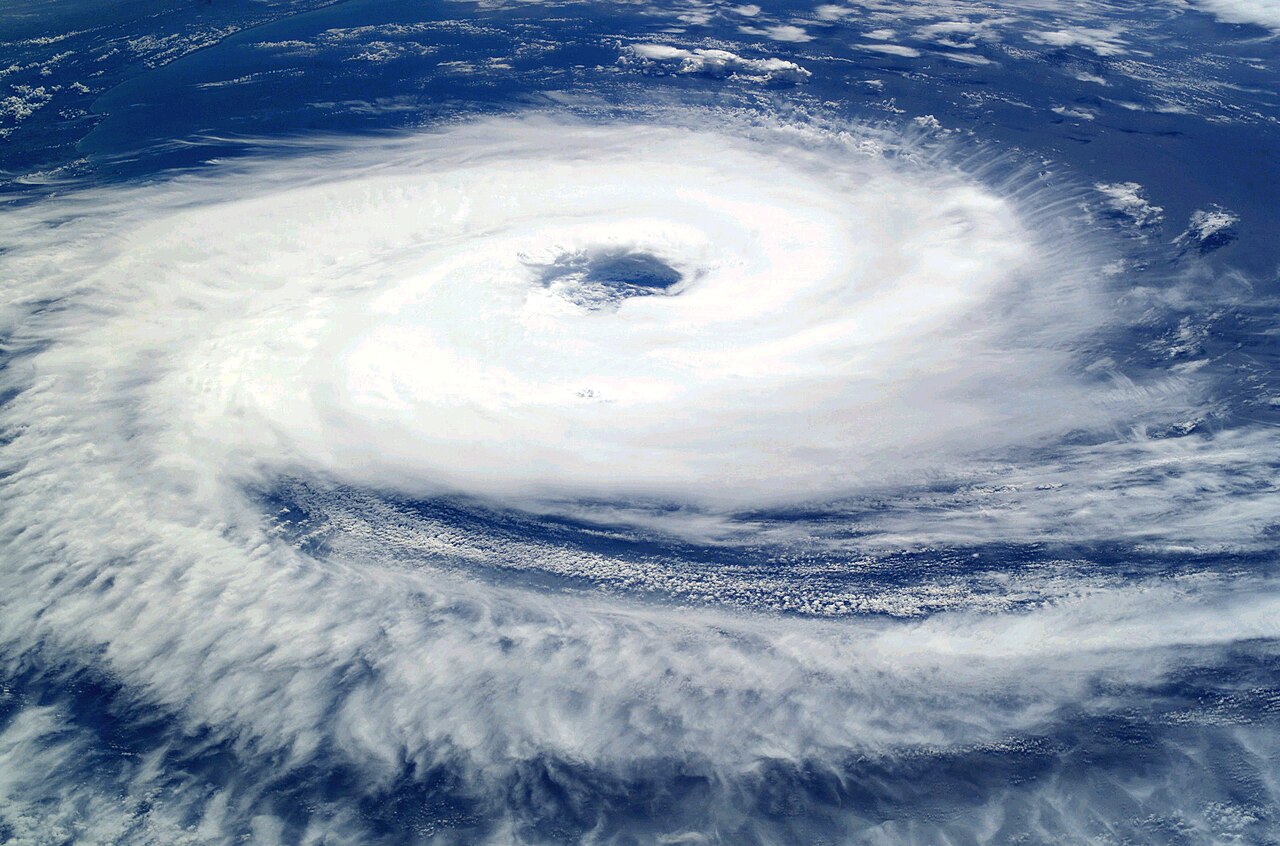


Meteorological development and track
The disturbance that became Bob organized off the southeastern U.S. while embedded in a typical summer steering flow. It was classified as Tropical Storm Bob on August 16 after winds strengthened and a closed circulation became evident. By August 17 the system had reached hurricane strength and altered course from an initial north–northwest heading to a more north–northeast track.
As it approached the U.S. coastline, Bob skimmed the eastern seaboard. Forecasters noted a track reminiscent of the 1954 storm Hurricane Carol, particularly in how it affected portions of North Carolina and later New England. During August 18–19 Bob brushed the coast of eastern North Carolina before moving up the Mid Atlantic on August 19 and passing just east of Long Island.
Land interaction and regional effects
Later on August 19 the center moved across offshore islands and entered Narragansett Bay, crossing Block Island and making a landfall near Newport in Rhode Island. Strong winds then extended inland, especially to the west of the storm track; Connecticut reported gusts that peaked near 75 mph according to post-storm assessments from the period, while the system weakened to a strong tropical storm before reaching Maine, where winds of roughly 70 mph and prolonged periods of heavy rain caused localized flooding.
Damage, impacts and examples
- Massachusetts suffered the largest financial loss from Bob, with damage in that state estimated at about $1 billion; entire coastal communities experienced structural, commercial and infrastructure damage (Massachusetts).
- Across affected states the storm produced widespread tree fall and extended power outages as fallen branches and saturated soils brought down lines and poles.
- Coastal erosion and storm surge flooded low-lying areas, compromised roads and damaged marinas and beachfront properties. Emergency services prioritized rescues and rapid restoration of critical services.
Aftermath, response and legacy
Recovery required coordinated federal, state and local efforts, insurance payouts and federally declared disaster assistance in some areas. The human toll, economic losses and the notable path of the storm prompted changes in some local planning and preparedness measures for northeastern hurricanes and coastal flooding.
Because of its impact and public recognition, the name "Bob" was retired from the Atlantic hurricane naming lists in spring 1992 and later replaced with "Bill." The storm remains an important case study in how even hurricanes of moderate intensity can produce severe damage when they affect densely populated, infrastructure-rich coastlines.
For contemporaneous meteorological summaries and detailed storm tracks consult archival storm reports and regional reviews produced after the event (Connecticut, origin analysis, Atlantic basin reports). Brief comparisons with past storms—such as the similarity of Bob's New England approach to Carol—help illustrate recurring vulnerabilities of the northeastern U.S. seaboard to late-summer tropical systems.
Tropical cyclone behavior, preparatory actions and post-disaster recovery remain central topics for communities in the path of storms like Bob, which combined offshore movement and a land-intersecting track to create complex impacts across multiple states.
Questions and answers
Q: What was Hurricane Bob?
A: Hurricane Bob was an Atlantic tropical cyclone that occurred in August 1991.
Q: Where did the storm begin?
A: The storm began from an area of low pressure near the Bahamas.
Q: When did it become a hurricane?
A: It was upgraded to Tropical Storm Bob on August 16, and then became a hurricane later on.
Q: How did its track compare to other storms?
A: The track of Hurricane Bob by August 18 and 19 was similar to 1954's Hurricane Carol, another storm that affected North Carolina and New England.
Q: What state experienced the most damage from the storm?
A: Massachusetts experienced the most damage from the storm; total damage there was $1 billion.
Q: How much total damage did Hurricane Bob cause? A: Damage from Bob totaled $1.5 billion.
Q: How many people were killed as a result of the storm? A: Eighteen people were killed as a result of the storm.
Related articles
Author
AlegsaOnline.com Hurricane Bob (August 1991) — New England storm and impacts Leandro Alegsa
URL: https://en.alegsaonline.com/art/45839
Sources
- nhc.noaa.gov : "Hurricane Bob"
- news.google.com : "Storm Season is Over"